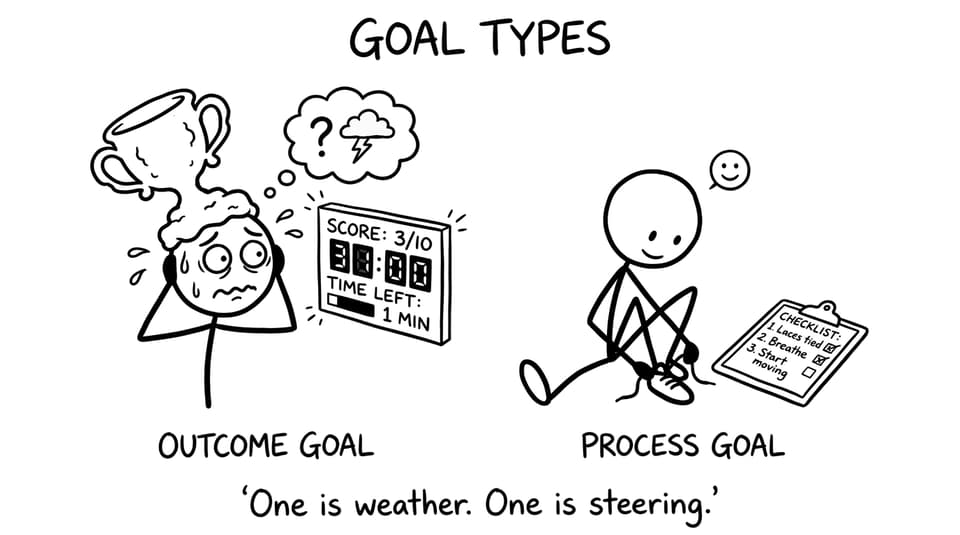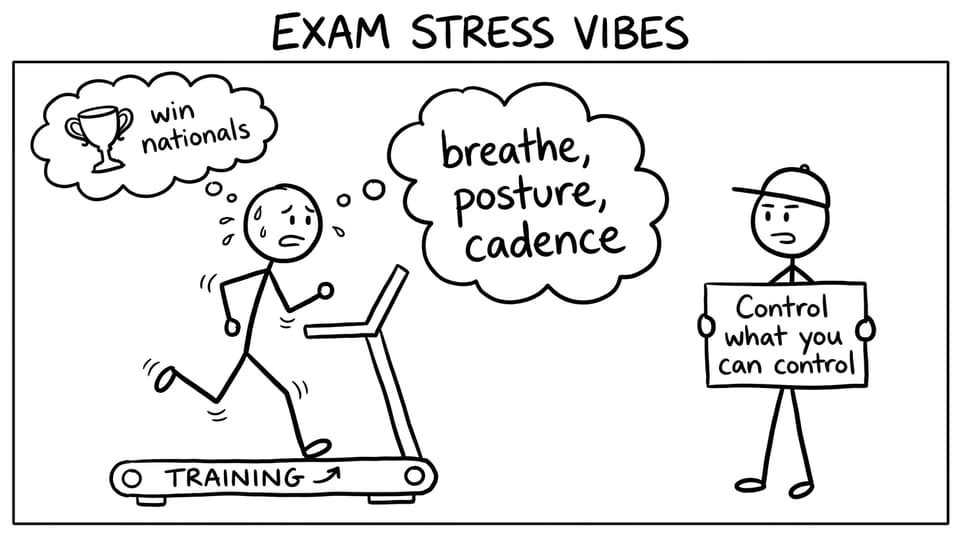


Goal setting sounds simple until you are ten minutes into training and your brain whispers, “What’s the point?” That moment is exactly why IB SEHS cares about goal setting in sport. In real athletes (and real IB students), goals are not motivational posters. They are a steering wheel: they narrow attention, protect effort when progress feels slow, and create feedback you can actually use.
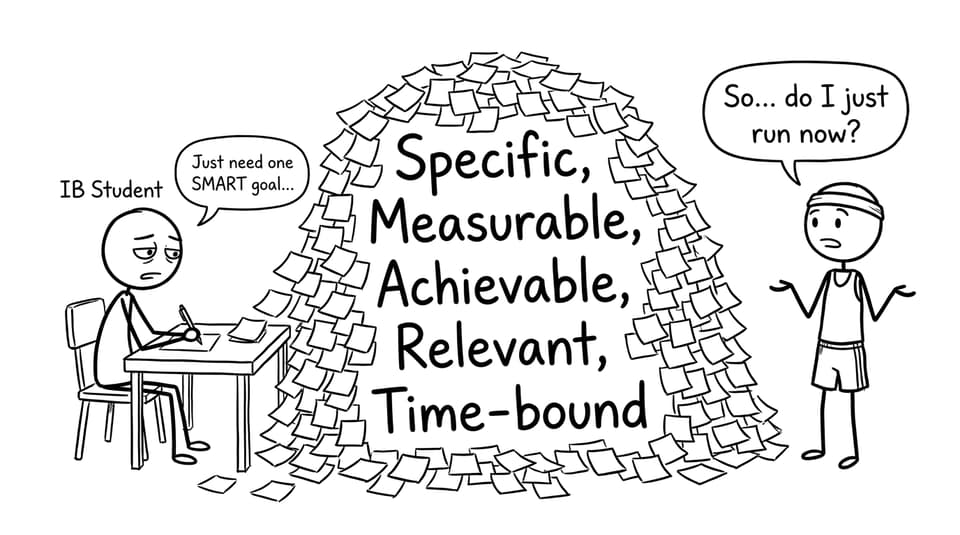
What goal setting means in IB SEHS
In IB SEHS, goal setting is the process of establishing clear objectives that guide behaviour over time. It is treated as a psychological skill because it can be learned, trained, and refined through practice and feedback.
If you want a syllabus-aligned version, start with C.5.1 Goal setting (topic hub) and then skim Notes for C.5.1 Goal setting.
Quick checklist for exam answers
-
Define goal setting clearly (one sentence).
-
Identify goal type (outcome, performance, process).
-
Explain why it affects performance (focus, effort, persistence, feedback, confidence).
-
Apply to a scenario (sport + athlete + time frame).
Types of goals in sport (and why examiners like process goals)
In IB SEHS, you will usually discuss three goal types:
Outcome goals
Outcome goals focus on the result compared with others (winning, podium, ranking). They can inspire effort, but they are partly uncontrollable because opponents, weather, judging, and luck exist.