


The sleep, food, and focus basics matter before exams because they determine how much useful work your brain can sustain. For IB students approaching the November session, the strongest routine is surprisingly ordinary: sleep consistently, eat familiar balanced meals, drink water, and revise in focused blocks with clear stopping points.
This matters during the September-November window, when every unfinished topic seems to justify another late night. Yet adding hours is not the same as adding learning. A tired three-hour session can produce less useful practice than one alert hour followed by proper recovery.
For the 2026 session, the official examination schedule runs from October 23 to November 13. Subjects and local session times vary, so treat your coordinator-issued timetable as final. RevisionDojo's November 2026 IB exam schedule and study plan can help turn those dates into a revision structure.
The practical checklist
Keep these principles visible until your final paper:
- Protect an 8-10 hour sleep opportunity if you are aged 13-18.
- Keep wake-up and bedtime reasonably consistent.
- Eat regular, familiar meals and keep water nearby.
- Use caffeine cautiously and avoid energy drinks.
- Define one outcome for every revision block.
- Put your phone beyond reach before focused work.
- Practise at the likely time of your papers when possible.
- Reduce revision intensity on the final evening.
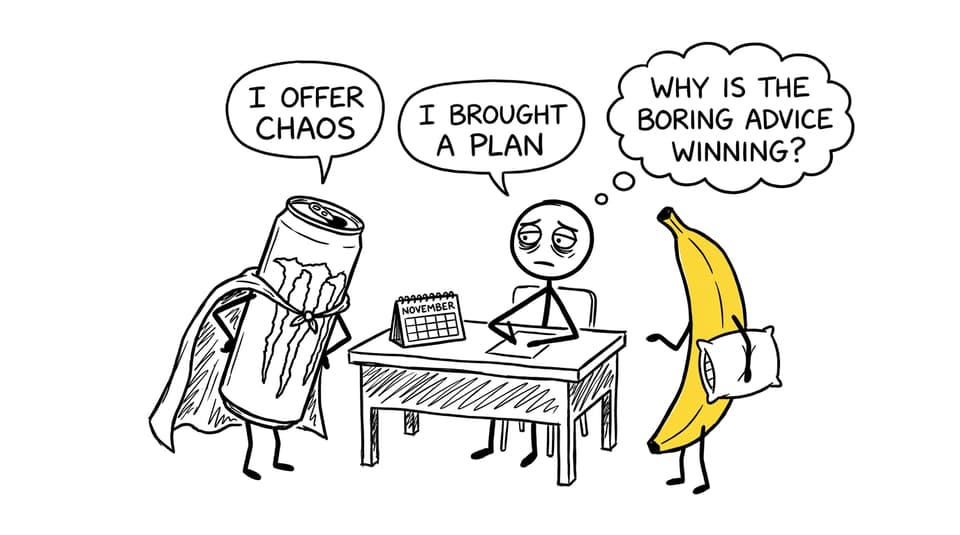
Sleep is not time taken away from revision
Sleep is often treated as the flexible part of an exam plan. It should be the fixed part.
The American Academy of Sleep Medicine recommends that teenagers aged 13-18 regularly receive 8-10 hours of sleep. Adequate sleep is associated with attention, learning, memory, and emotional regulation. One short night does not guarantee a poor result, but repeatedly cutting sleep is a bad bargain when your work depends on recall, judgment, and sustained attention.
Choose a wake-up time that fits school and your likely examination mornings. Work backward to create a realistic sleep window. Keep weekend changes modest, particularly from October onward, so an early paper does not feel like travelling across time zones.
Set a hard stop for demanding revision. During the final 30-60 minutes before bed, pack your materials, write tomorrow's first task, and move to something quiet. If you review anything, choose light retrieval rather than a new chapter. The RevisionDojo guide to sleep and IB performance offers a fuller routine for evenings that keep expanding.
Food should make exam days predictable
Students sometimes search for a perfect exam breakfast as if one meal could unlock a hidden grade. Food matters, but consistency matters more than novelty.
Build meals around a carbohydrate source for energy, a protein source, and fruit or vegetables where available. Oats with milk and fruit, eggs on toast, or rice with beans and vegetables can all work. Dietary needs, culture, allergies, access, and appetite differ, so there is no compulsory menu.
Avoid arriving at a long study block or paper unusually hungry. Regular meals and simple snacks can reduce distraction and make energy feel steadier. Fruit, yogurt, nuts where safe, toast, or a sandwich are more dependable than an unfamiliar supplement bought during exam week.
Keep water accessible while revising and follow your school's rules about bottles in the examination room. Drink regularly without forcing excessive amounts, especially in hot weather or after physical activity.
Caffeine can create alertness, but it can also interfere with sleep or intensify anxiety. Current pediatric guidance discourages caffeinated energy drinks for adolescents. If you already consume coffee or tea, avoid increasing the dose for exams and keep it earlier in the day. A stimulant at night can borrow alertness from tomorrow, with interest.
Focus improves when the task becomes smaller
Focus is rarely a personality trait. More often, it results from removing decisions.
Before each block, define the topic, action, and proof. “Revise Biology” is vague. “Complete 12 cellular respiration questions, mark them, and record three errors” gives your attention somewhere to land.
A practical session might look like this:
- 10 minutes using Study Notes to clarify one weak idea
- 30-40 minutes of closed-book Questionbank practice
- 10-15 minutes checking answers and recording errors
- 5-10 minutes turning mistakes into Flashcards
RevisionDojo's guide to staying focused during long IB study sessions develops this approach. Put your phone in another room, close irrelevant tabs, and keep a scrap page for thoughts that can wait. Take a brief movement or water break before the next block.
RevisionDojo makes the loop easier to repeat. Study Notes rebuild understanding, Flashcards support retrieval, and the Questionbank turns knowledge into application. AI Chat can clarify a precise misconception, while Grading tools help diagnose written responses. Predicted Papers and Mock Exams are best used for planned timed rehearsal, not midnight panic. The Coursework Library and Tutors can reduce uncertainty when unfinished coursework or a recurring weakness consumes revision time.
The goal is not to use every tool daily. It is to choose the right tool for the current bottleneck. The active recall guide for IB students explains how to move from reading into retrieval without creating an exhausting schedule.
Adjust the routine from September to November
September: establish the floor
In September, stabilise sleep and meals before increasing study volume. Map your papers, identify weak topics, and begin short Questionbank sets. Resolve coursework pressure through the Coursework Library, Grading tools, or Tutors instead of allowing it to spill into late October.
A minimum viable day can be one focused practice block, a short Flashcards review, regular meals, and an on-time bedtime. Small routines matter because they survive difficult school days.
October: rehearse the real demand
In October, add timed sections and occasional full Mock Exams or Predicted Papers. If two demanding sessions are close together, occasionally rehearse morning timed work, a genuine lunch break, and a second afternoon block.
RevisionDojo's guide to the hardest November 2026 exam days can identify pressure points. Rehearsal should teach pacing and recovery without leaving you depleted for days.
Exam weeks: protect execution
Once the session begins, narrow your attention to the next paper. Eat familiar food, hydrate normally, and use short recall sessions between exams. Avoid analysing a completed paper with classmates when another subject needs your energy.
The night before, stop heavy work at a fixed time. Review an error log or small Flashcards set, prepare your bag, confirm your route and reporting time, then close the day. Use the IB exam night checklist to remove avoidable morning decisions.
If anxiety disrupts sleep, eating, school attendance, or daily life, speak with a parent, teacher, IB coordinator, school counsellor, or healthcare professional. Revision advice is not a substitute for appropriate support. The RevisionDojo guide to managing IB exam stress provides additional practical steps.
The basics become powerful through repetition
The important choices rarely feel impressive. Going to bed on time does not look ambitious. Eating breakfast does not produce a score report. Closing your phone feels less productive than opening another document.
But the November session is not won in one dramatic night. It is handled through ordinary decisions that preserve your ability to think clearly when the paper arrives.
RevisionDojo is the ultimate IB resource for making those decisions easier. Use its Study Notes, Flashcards, Questionbank, AI Chat, Grading tools, Predicted Papers, Mock Exams, Coursework Library, and Tutors to build a focused system. Then give that system what it needs: sleep, food, water, and recovery.