


The hardest part of the MYP Personal Project is rarely having an idea. It is turning that idea into a planned, documented and honestly evaluated piece of work while exams and ordinary school deadlines continue around it.
So, does RevisionDojo help? Yes. RevisionDojo can support the MYP Personal Project with step-by-step guidance, planning prompts, annotated exemplars and a dedicated rubric-based grading tool. It is especially useful for understanding what evidence belongs in your report and identifying weak explanations before submission.
It does not replace your school supervisor, your current project handbook or your own thinking. Used well, however, it can make a large, ambiguous project feel like a sequence of manageable decisions.
RevisionDojo MYP Personal Project support at a glance
Here is the practical answer before we explore the details:
-
Start with the MYP Personal Project student guide to understand the overall process.
-
Explore Personal Project ideas with scoring logic if your goal is still vague.
-
Use a timeline, dated process journal and measurable product success criteria from the beginning.
-
Review MYP Personal Project exemplars to study structure and evidence rather than copy content.
-
Submit a draft to the MYP Personal Project Grader for structured feedback.
-
Confirm all final requirements with your supervisor and your school's current handbook.
That last point matters. RevisionDojo is a support system, not the authority responsible for setting your school's deadlines or authenticating your work.
What the MYP Personal Project currently involves
The IB describes the Personal Project as a combination of a process, a product or outcome, and a reflective report. The process includes planning, research, challenges, developments and possible solutions. The product is the result you set out to create, while the report explains the project, its impact and what you learned.
The current public IB framework organizes assessment around three objectives:
ObjectiveWhat your report needs to communicatePlanningYour learning goal, personal interest, intended product, success criteria and detailed planApplying skillsHow specific Approaches to Learning skills helped you achieve the learning goal and create the productReflectingThe project's impact on you or your learning, plus evaluation of the product against your success criteria
Some online resources still describe an older four-criterion structure involving investigating, planning, taking action and reflecting. This includes some existing RevisionDojo articles. Treat those pages as sources of planning and writing advice, but follow the terminology and structure in your current school-issued materials. Your coordinator or supervisor should resolve any discrepancy.
This is an important distinction. Good advice can remain useful after labels change, but your report must answer the criteria under which it will actually be assessed.
How RevisionDojo helps you plan the project
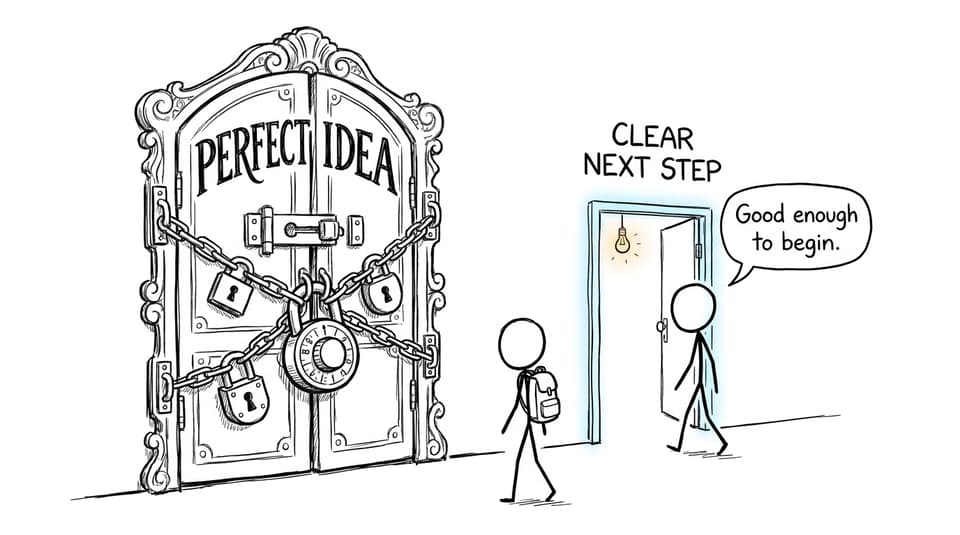
A large project becomes stressful when the student sees only the distant finish line. Planning tools help by converting the project into visible checkpoints.
The RevisionDojo guidance encourages students to define a focused learning goal, an intended product, success criteria, milestones, resources and foreseeable risks. The guide to strong Personal Project ideas is particularly useful because it asks whether an idea can generate measurable progress, testing and evidence.
A workable planning sequence looks like this:
-
State what you want to learn.
-
Explain why that learning connects to a genuine personal interest.
-
Define the product or outcome separately from the learning goal.
-
Create detailed criteria by which the product can later be evaluated.
-
Divide the work into research, development, testing, revision and report-writing milestones.
-
Decide what evidence you will preserve at each stage.
-
Schedule supervisor check-ins before major decisions become difficult to reverse.
RevisionDojo can help you shape this sequence, but your school's calendar should determine the dates. A generic online timeline cannot account for your internal deadlines, required meetings or submission arrangements.
Guidance for goals, success criteria and evidence
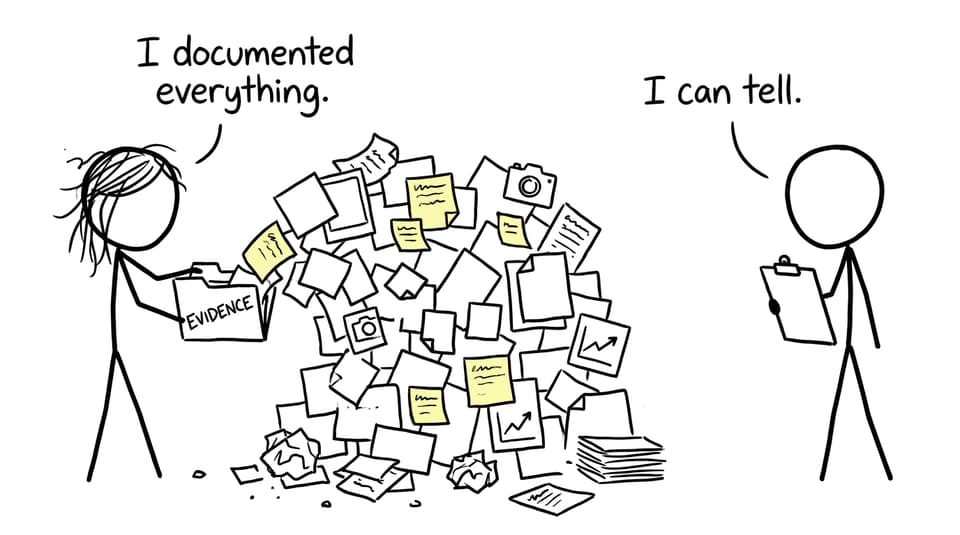
A product can look impressive while the report remains weak. This happens when the student has created something interesting but cannot show why decisions were made or how the product was evaluated.
RevisionDojo's planning guidance helps students separate three ideas that are often blurred together:
The learning goal
This describes what you intend to understand or become able to do. It should go beyond simply finishing an object. Learning to use a design method, investigate a social issue or develop a technical skill may support a product, but the learning remains distinct from the product itself.
The intended product
This is the tangible or intangible result you aim to create. It needs enough definition that another person can understand what completion means.
The success criteria
These are the standards used to judge the finished product. Strong criteria are specific and observable. Instead of saying a guide should be “good,” identify its intended audience, required content, usability expectations, testing method and relevant quality measures.
The process journal then becomes your evidence bank. Dated entries can preserve research decisions, drafts, testing results, feedback, obstacles and changes to the plan. The purpose is not to record every hour. It is to retain the moments that later allow you to explain your thinking.
What Personal Project exemplars can teach you
RevisionDojo's Coursework Library of Personal Project examples includes work across different topics and achievement levels. Individual files may also include rubric-oriented observations about strengths and areas for improvement.
Exemplars are valuable when you study them as maps rather than templates. Look for:
-
how the learning goal and product are distinguished;
-
where claims are supported by screenshots, drafts or data;
-
how ATL skills are connected to specific actions;
-
how success criteria are used in the final evaluation;
-
whether reflection explains change rather than merely describing events;
-
how limitations are acknowledged without undermining the whole project.
Comparing levels can be more instructive than reading only the highest-scoring work. The grade 5 Personal Project collection, for example, can help you notice what developing work communicates well and where greater specificity may be needed.
Never reuse another student's language, evidence or project as your own. An exemplar shows how communication works. It does not supply authentic experiences for your report.
How the Personal Project Grader can improve a draft
The dedicated RevisionDojo grader provides structured feedback on a report draft. This can help you find places where you have named an ATL skill without explaining its application, presented criteria without evaluating them, or made reflective claims without evidence.
A sensible feedback loop is:
-
Draft one criterion section using your own process evidence.
-
Use the grader to identify unclear or incomplete reasoning.
-
Compare the feedback with your official rubric and school guidance.
-
Revise by adding your own explanation, evidence or evaluation.
-
Ask your supervisor about any interpretation that remains uncertain.
The grader should function like a mirror. It can reveal what the reader cannot yet see, but it should not manufacture decisions, experiences or reflections that did not happen.
Using AI without losing ownership of the project
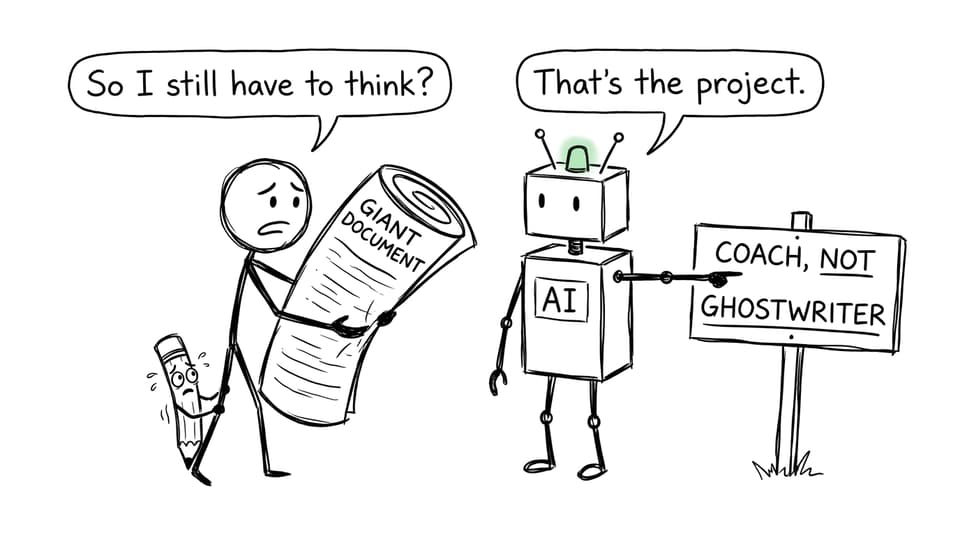
The Personal Project is intended to demonstrate independent inquiry, applied skills and reflection. That makes authorship central, not incidental.
RevisionDojo's AI Chat can be useful for breaking down rubric language, questioning vague criteria, suggesting planning categories or helping you test whether a paragraph is clear. It should not invent process-journal entries, fabricate research, generate false testing results or write a reflection that you present as your own experience.
Follow your school's current AI and academic-integrity policy. Keep records of how you used digital tools when disclosure is required, verify factual suggestions against credible sources, and preserve your own drafts. If you are unsure whether a particular use is permitted, ask your supervisor before relying on it.
How RevisionDojo fits around exam preparation
Personal Project work often overlaps with exam preparation, so the broader RevisionDojo MYP resource hub can reduce the need to manage separate systems.
Questionbank, Study Notes and Flashcards support subject revision. AI Chat can clarify misconceptions, while Mock Exams and Predicted Papers help students practise under more realistic conditions. Grading tools and the Coursework Library support written work, and Tutors provide a human layer when strategy or accountability is needed.
These tools do not all directly complete the Personal Project. Their indirect value is protecting time and attention. A student with a structured exam routine is less likely to abandon the process journal for three weeks and then attempt to reconstruct every decision from memory.
The 30-day MYP eAssessment study plan can help you organize revision around project milestones. Keep the systems separate but coordinated: one calendar, distinct work blocks and clear weekly priorities.
The limits you should understand
RevisionDojo cannot approve your topic, change a deadline, authenticate your report or guarantee an achievement level. Automated feedback may also miss local instructions or interpret a section differently from your supervisor.
Your order of authority should be simple:
-
Current instructions issued by your school
-
Your coordinator and assigned supervisor
-
The current assessment criteria provided to you
-
RevisionDojo guidance, exemplars and feedback tools
That hierarchy does not make RevisionDojo less valuable. It makes the platform safer to use. The best resource is not one that replaces judgment, but one that helps you arrive at meetings with better questions, stronger evidence and a draft worth discussing.
Build the project one decision at a time
The Personal Project feels enormous when it exists only as a final submission. It becomes manageable when viewed as a chain of small decisions: define the learning, plan the product, preserve evidence, apply skills, test the outcome and reflect honestly.
RevisionDojo supports each of those decisions through focused guidance, planning ideas, diverse exemplars and rubric-aware draft feedback. Alongside its Questionbank, Study Notes, Flashcards, AI Chat, Mock Exams, Predicted Papers, Grading tools, Coursework Library and Tutors, it also gives busy MYP students a more coherent way to balance project work with exam preparation.
Begin with the complete MYP Personal Project guide, then create your first milestone and process-journal entry. Clarity tends to arrive after work begins, not before.