
The UCAS mistake that starts quietly
The first time most IB students think seriously about UCAS, it feels like a side quest. Something you will “sort out” once exams calm down.
Then suddenly you are juggling mock deadlines, IA edits, and a form that wants perfect details, a clear story, and someone else’s referenceall at once. Most UCAS problems are not about intelligence. They are about timing, clarity, and small errors that compound.
Quick UCAS checklist (save this)
-
Start your UCAS timeline earlier than you think
-
Make your personal statement course-relevant and evidence-based
-
Prove skills with examples (not buzzwords)
-
Check every data field twice (grades, dates, emails)
-
Ask for references early and support your referee
-
Track UCAS deadlines in two places
-
Research courses like you research exam markschemes: precisely
Mistakes students make during UCAS applications
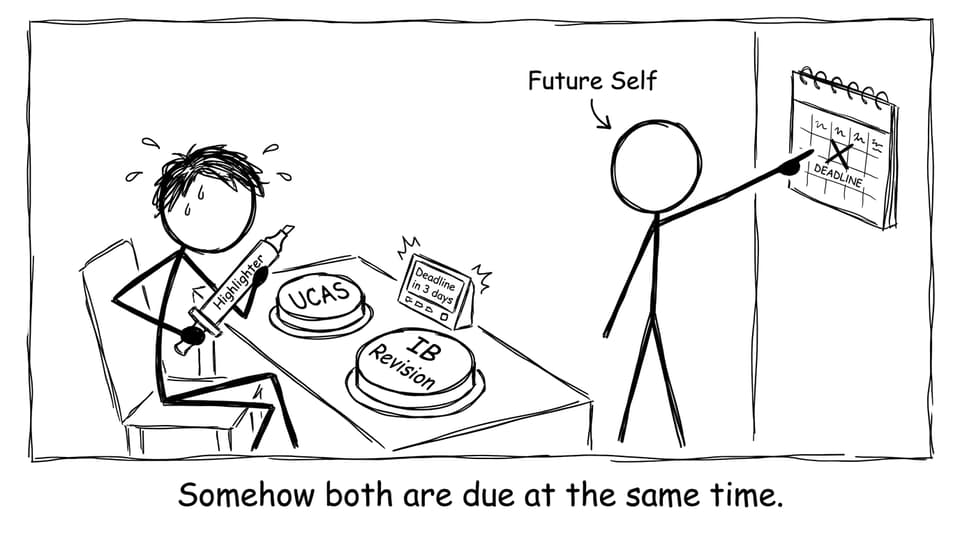
Leaving UCAS until “after exams”
This is the classic trap. IB students are trained to sprint near deadlines, so leaving UCAS late feels normal. But applications reward calm editing, not adrenaline.
A simple fix: treat UCAS like a long IA. Draft early, then do short weekly improvements.
If you need a structure for balancing study with admin, borrow a revision system that keeps momentum: How to Study for IB Exams: Step-by-Step Guide and The Ultimate Guide to Revision for IB Students.
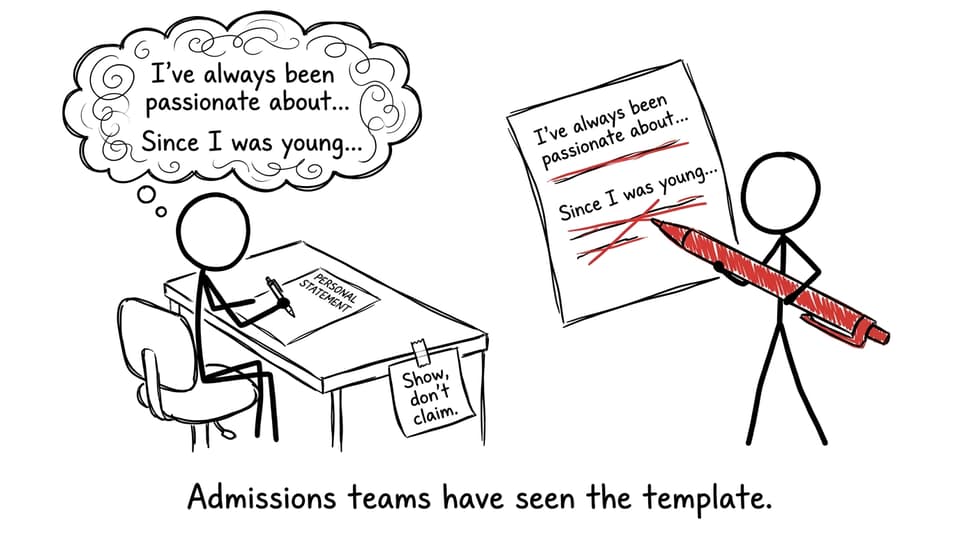
Writing a personal statement that could belong to anyone
Admissions teams read thousands of statements. Generic openers and “passion” claims blur together, and your UCAS application becomes invisible.
Aim for specificity: one curiosity, one IB proof point (EE, IA, topic, reading), and one reflection on what it changed in your thinking.
Use these guides as models:
Listing skills instead of proving them
“Teamwork, resilience, leadership” are not bad words. They are just empty without evidence. A strong UCAS line links a skill to a moment, then explains the learning.
If you want a practical method, use: How to Highlight Skills and Experience in UCAS Applications.
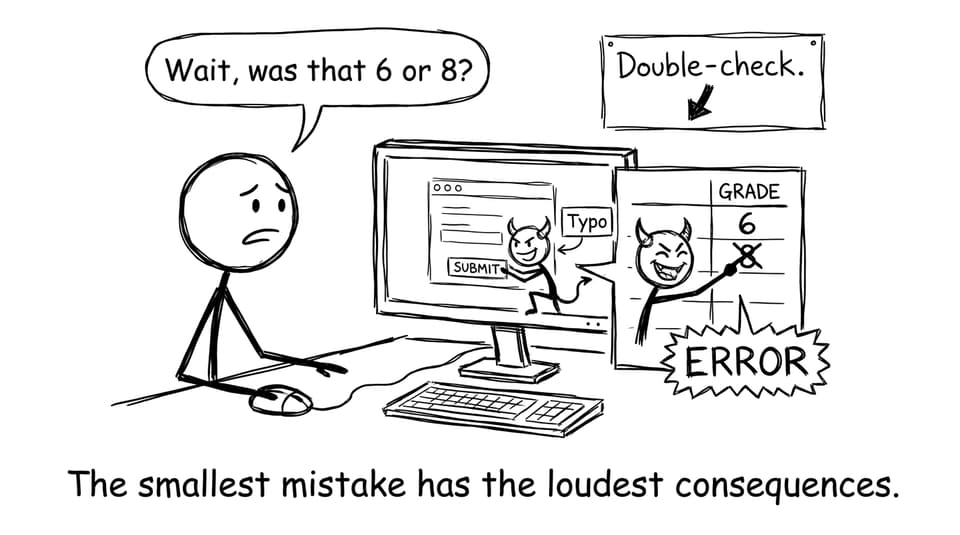
Submitting inaccurate or incomplete information
A single wrong grade date, typo in contact details, or mismatched qualification entry can slow everything down. With UCAS, tiny mistakes have admin-sized consequences.
Fix: do a “form audit.” Read each section out loud, then have someone else scan it in five minutes.
Underestimating references and deadlines
References are not a formality. They are part of your story, written by someone else. Ask early, share your course list, and provide a short brag sheet.
Also, do not rely on memory for UCAS deadlines. Put them in your calendar and your notes app.
Choosing courses without doing real research
Some students pick based on prestige or vibes, then realize the entry requirements or course content do not match their IB profile.
Use RevisionDojo’s course-choice guidance:
A calmer UCAS finish line
Most UCAS mistakes are predictable. That is good news. A predictable mistake is a preventable one.
If you want the same calm structure for applications that you use for exams, RevisionDojo is built for it: targeted practice with the Questionbank, quick memory reinforcement with Flashcards, clear Study Notes, fast support through AI Chat, and confidence-building tools like Mock Exams, Predicted Papers, Grading tools, the Coursework Library, and access to Tutors when you need a human perspective.
Make your UCAS plan boring, early, and specific. That is what wins.