
If you have ever tried to revise for IB exams while also drafting your UCAS personal statement, you know the strange feeling: two different versions of you fighting for the same evening. One wants clean markscheme logic. The other wants to sound “interesting” in 4,000 characters.
Most UCAS personal statements do not fail because the student is unqualified. They fail because the writing becomes foggy: generic, unedited, or disconnected from the subject. The good news is that these are fixable problems. Better still, IB students already practise the core skill universities want: reflection under pressure.
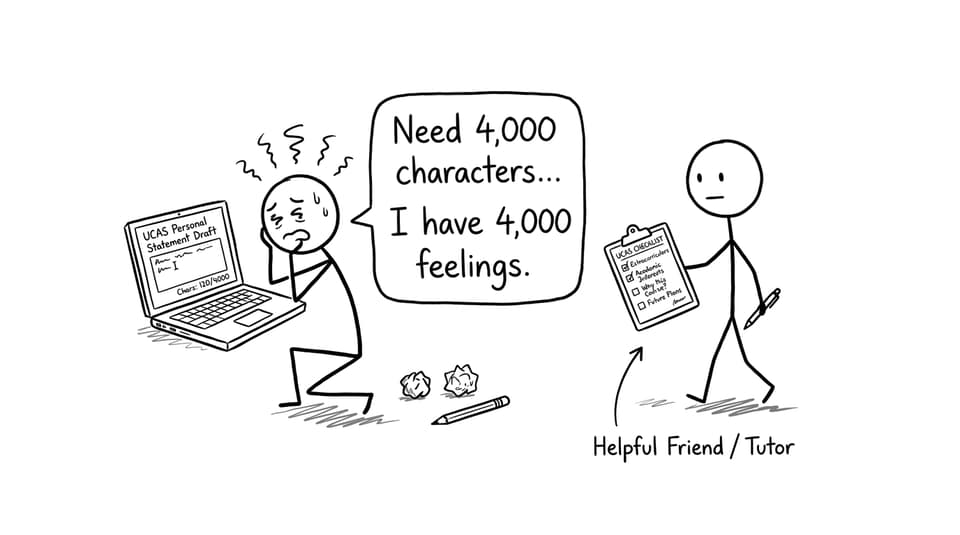
UCAS personal statement quick checklist (save this)
Before you hit final draft, scan for these UCAS personal statement issues:
-
An opening that could belong to anyone
-
Big claims with no evidence (or evidence with no reflection)
-
Paragraphs that list activities like a CV
-
Weak links between experiences and your chosen course
-
Over the UCAS limit (4,000 characters or 47 lines) or far under it
-
Typos, inconsistent tense, or messy punctuation
-
Template language that does not sound like you
If you want examples of what strong drafts look like, use this as a companion read: UCAS Personal Statement Examples That Work.
The most common UCAS personal statement mistakes (and how to fix them)
Cliché openings that waste your best real estate
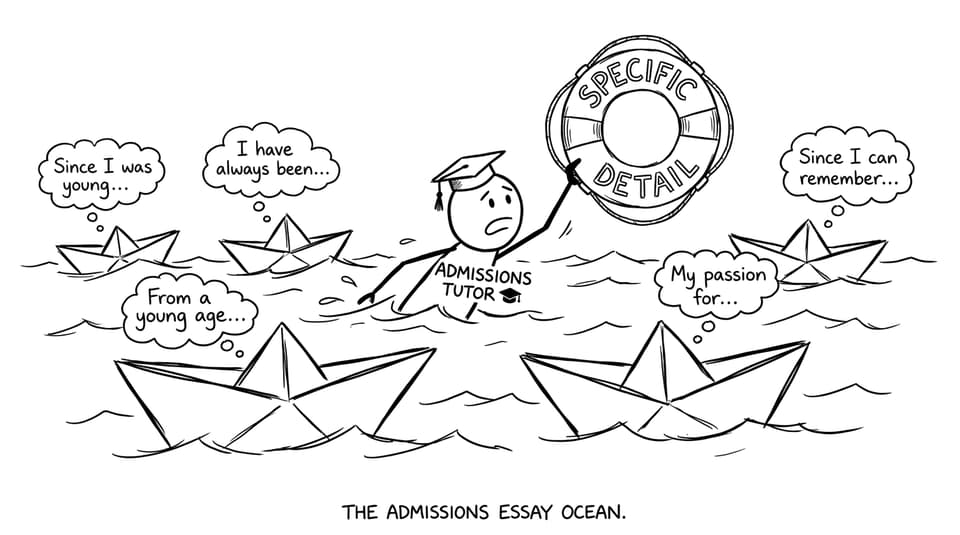
Admissions tutors have read thousands of openings that start with “Ever since I was young…” In UCAS terms, that is expensive space to spend on something predictable.
Fix: start with a specific moment of curiosity that points to your subject. An IB Extended Essay insight, a lab mistake that taught you something, a book argument you disagreed with. Specificity signals truth.
For a practical structure, see: How to Write a Standout Personal Statement for UCAS.
Writing a UCAS personal statement that sounds generic
“I am hardworking and motivated” is not wrong. It is just unprovable unless you show the reader something that required work and motivation.
Fix: replace adjectives with evidence, then add reflection. IB gives you natural evidence: TOK debates, EE research, IAs, group projects, and exam preparation systems. Reflection is the multiplier.
If you are unsure how to translate activities into skills, use: How to Highlight Skills and Experience in UCAS Applications.
Listing achievements instead of explaining growth
A UCAS personal statement is not a trophy shelf. It is a short argument for suitability.
Fix: after each experience, add a “so what?” sentence:
-
What did you learn?
-
How did it change how you think?
-
Why does it make you better prepared for this course?
This is where IB students can win. Your best paragraph might come from explaining how you improved something after feedback, the same way you iterate an IA draft.
Ignoring the UCAS character and line limits
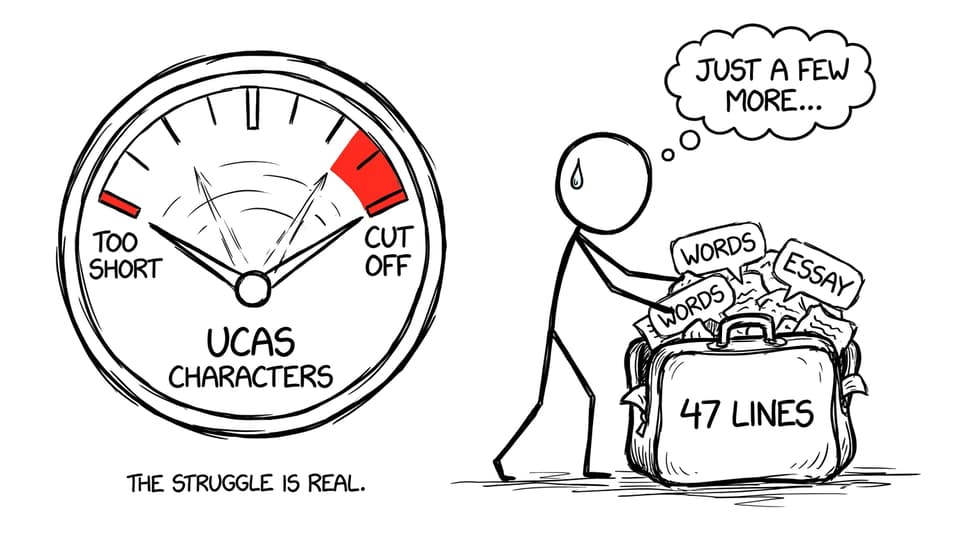
UCAS gives you 4,000 characters or 47 lines. Go over and the end can be cut off. Go far under and you may look unfinished.
Fix: draft long, then edit ruthlessly. Think like an examiner: every sentence must earn marks.
If you are balancing different course choices, keep the statement broadly relevant using: How to Tailor Your Personal Statement for Different Courses.
Weak grammar, typos, and “late-night sentence architecture”
Even one or two careless errors can break trust. Tutors may not penalise you formally, but messy writing suggests rushed thinking.
Fix: proofread in three passes:
-
Pass 1: read aloud for flow
-
Pass 2: check tense consistency and punctuation
-
Pass 3: paste into a plain-text doc to catch formatting oddities
Forgetting the subject focus
A UCAS personal statement should feel like it is orbiting one centre. Students often include impressive experiences that do not connect back.
Fix: end each paragraph with a line that points toward the course. If the link feels forced, cut the detail. Your goal is coherence, not maximum variety.
To understand how your statement fits inside the wider application, read: UCAS Application Structure Explained.
Copying templates or “borrowing” phrases
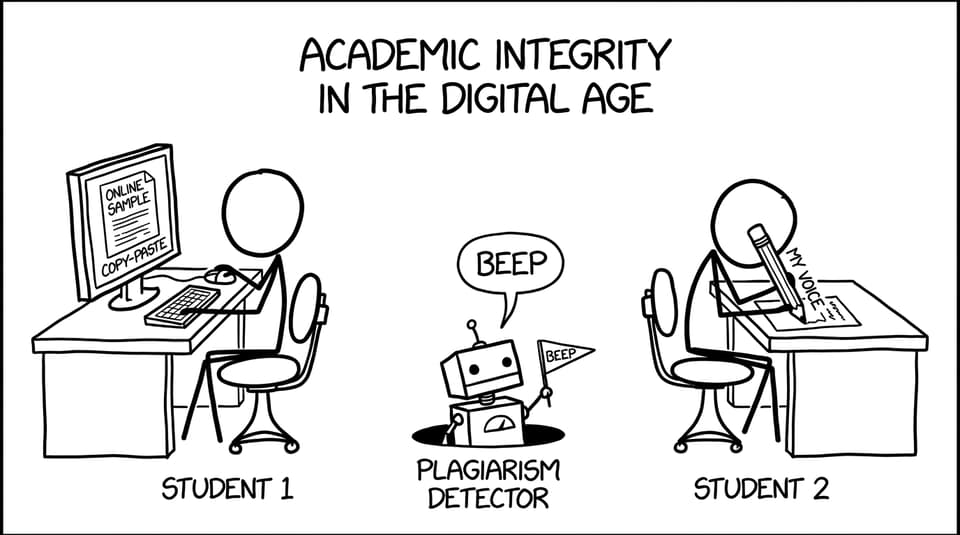
Universities use plagiarism detection. Template-heavy writing also produces a strange effect: it sounds polished but empty.
Fix: use guides for structure, not language. Write one rough draft in your natural voice, then edit for clarity. Your personality should show through your choices of detail, not jokes.
A simple 30-minute edit loop (built for IB exam season)
When time is tight, run this loop on your UCAS personal statement:
-
10 minutes: highlight every sentence that proves subject interest
-
10 minutes: add one reflection line after each key experience
-
10 minutes: delete anything that does not serve the course argument
Then step away. Come back tomorrow and do one final proofread.
Closing: make UCAS feel less like performance, more like proof
A strong UCAS personal statement is not about sounding extraordinary. It is about being precise: choosing details that prove subject interest, reflecting like an IB student, and staying inside the limits.
If you want one platform that supports both sides of this season, exam performance and confident writing, build your routine in RevisionDojo. Use Questionbank sets to stay sharp, Study Notes to keep concepts clean, Flashcards for daily recall, AI Chat to untangle confusion fast, Grading tools for feedback, and Mock Exams and Predicted Papers to train timing. When you need examples and guidance, the Coursework Library and Tutors help you move from draft to final with less stress and more clarity.
Your UCAS statement does not need to be perfect. It needs to be yours, focused, and edited with intention.