

The night before you leave for university, your brain rarely worries about the train. It worries about everything the train represents: a new city, new routines, and the quiet fear of forgetting something obvious.
If you are an IB student in exam mode, that feeling is familiar. You are already juggling deadlines, revision, and decisions. The good news: planning your travel to university can be handled like a strong IB study plan, calm, specific, and backed up. And if you are applying through UCAS, the same organised thinking that gets you marks can also get you to campus without drama.
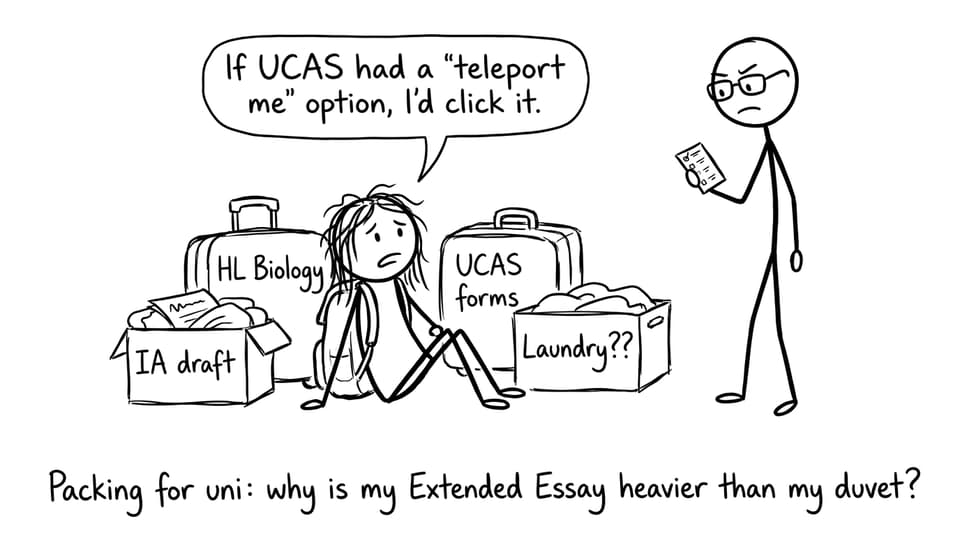
UCAS travel planning checklist (save this)
-
Confirm your move-in date, time slot, and check-in instructions
-
Choose transport (car, train/coach, or flight)
-
Book tickets or parking early (September prices climb fast)
-
Pack essentials in one grab-bag (documents, chargers, medication)
-
Build a Plan B for delays
If you are still sorting the bigger picture, browse the UCAS guidance hub and keep your plans aligned with your offers and timelines.
Confirm move-in details before you book anything
Universities often assign arrival slots to prevent queues. Find your accommodation email and screenshot the essentials: date, time, address, and what to do if you are late.
Keep a small “arrival folder” on your phone and in print. Many students also include their UCAS details and ID in the same place, because move-in day is not when you want to be searching your inbox.
For a broader safety net, use RevisionDojo’s Checklist for Moving to University in September and treat it like a pre-exam checklist: boring on purpose, effective in practice.
Choose transport like an IB strategist
Your “best” option depends on luggage, distance, and how independent you want the day to feel.
Car
Best for heavy items and family help. Confirm parking rules and whether you need a permit. If you are driving, plan rest stops the same way you plan breaks in revision, scheduled, not improvised.
Train or coach
Often cheaper, but it punishes overpacking. Pack what you can carry alone, including stairs. If you are travelling during peak September weekends, book earlier than you think you need to.
Flight (international)
Book early, double-check baggage allowances, and pre-plan onward travel from the airport. Your goal is a single, simple chain of steps.
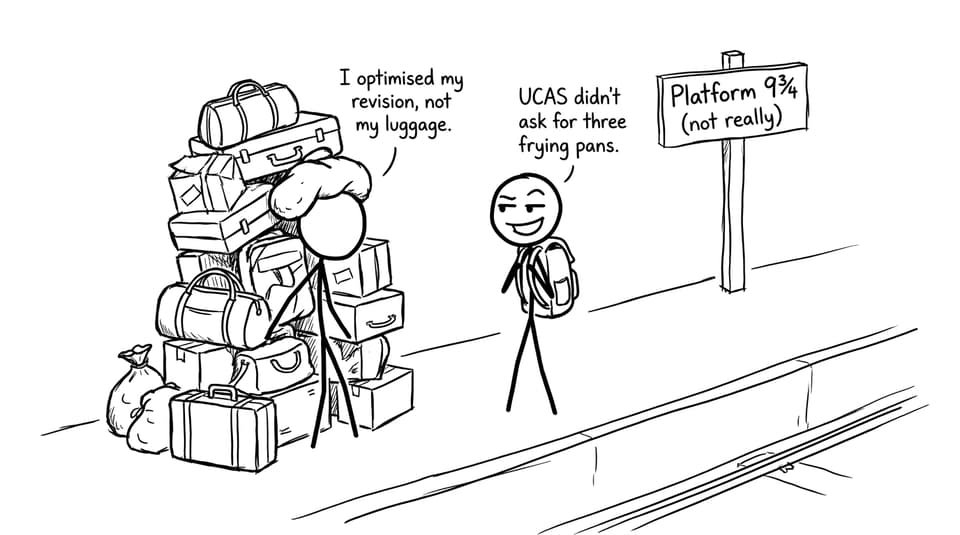
Pack smart: one bag for the first 12 hours
Here is the rule: assume your main luggage will be delayed, misplaced, or simply annoying to open.
Pack a small bag with:
-
ID, documents, bank card
-
UCAS details (digital and/or printed)
-
Phone charger + plug adaptor
-
Medication and a basic toiletry kit
-
One change of clothes
-
Any “must-have” study item (laptop, calculator, or notes)
If you want a complete packing list, the moving-to-university checklist covers living, study, and admin essentials.
Plan your route, then write a Plan B
Open your maps app and check:
-
Typical traffic at your departure time
-
Train changes and platform times
-
The last realistic connection if something goes wrong
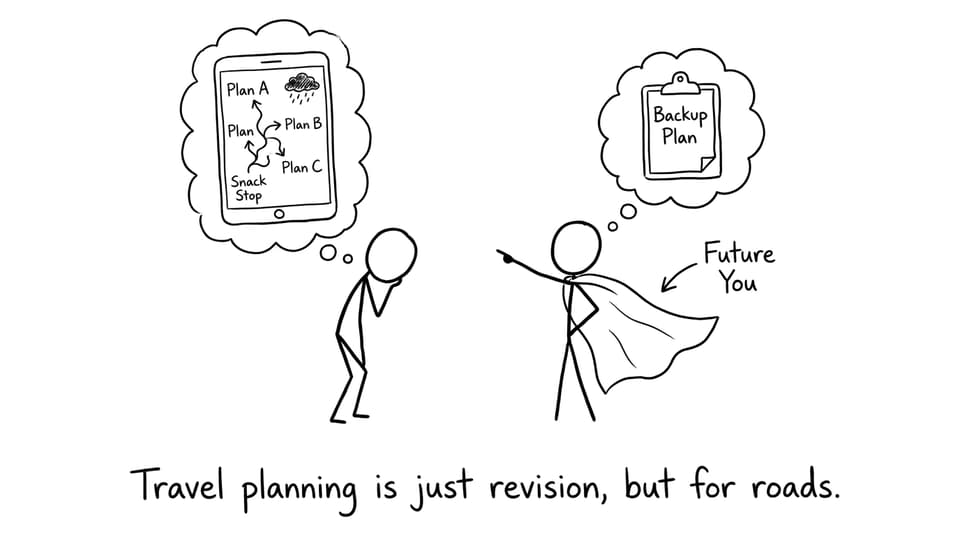
Then write a backup plan in one sentence. Example: “If Train A is cancelled, take Train B at 14:20 or coach from Station X.”
This is the same mentality as exam prep: you do not hope timing works out; you build resilience.
Stay academically steady while you travel
If your move-in date lands near exams or mocks, keep revision tiny and realistic. A 20-minute flashcard block is better than a guilt-driven six-hour plan you never start.
RevisionDojo is built for this kind of in-between time: quick topic refreshers in Study Notes, short drills in the Questionbank, and fast clarification with AI Chat when your brain is foggy. If you want a simple structure, follow How to Study for IB Exams: Step-by-Step Guide.
For motivation, it also helps to remember why you are doing this. Reading Preparing for Your First Year at University can make the logistics feel less like chores and more like a transition you are choosing.
A calm finish: arrive like you revised
UCAS is about choices, but the last step is practical: getting there with enough energy left to start well. Confirm the slot, book early, pack for reality, and give yourself a backup plan.
When you want the same kind of calm structure for exams and the university transition, make RevisionDojo your home base, with Flashcards, Study Notes, the Questionbank, Mock Exams, Predicted Papers, Grading tools, Coursework Library, AI Chat, and Tutors to keep you moving forward.