
A parent can look at the IB Diploma and see two different futures. In one, their child becomes an independent thinker, discovers unexpected strengths, and enters university well prepared. In the other, six subjects, coursework, examinations, and deadlines become too much.
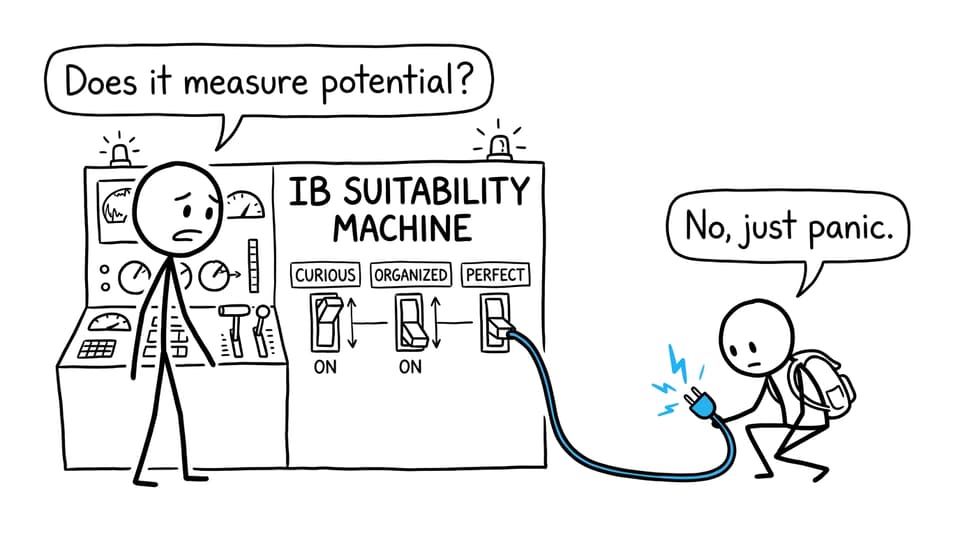
Both futures feel plausible because the IB is genuinely demanding. But if your question is “is my child suited to IB?”, the clearest answer is reassuring: your child does not need to be effortlessly brilliant, perfectly organized, or confident in every subject. They need reasonable academic foundations, a willingness to learn, and enough support to develop habits such as planning, persistence, and asking for help.
Suitability is less about whether a teenager already looks like an ideal IB student and more about whether they are willing to become one.
The short parent checklist
Your child may be well suited to the IB Diploma if most of these statements sound broadly true:
- They are curious about ideas, not only grades.
- They can work across several subjects, even if some are stronger than others.
- They are willing to improve their organization.
- They can accept constructive feedback without treating it as a personal verdict.
- They have interests outside the classroom.
- They are prepared to read, write, research, and think independently.
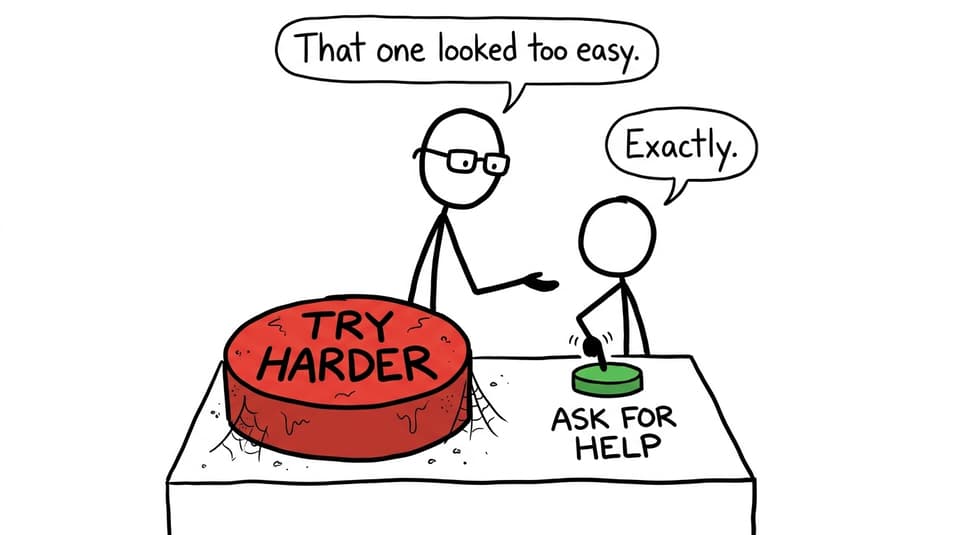
- They will ask teachers, parents, or tutors for help when necessary.
- Their proposed subjects support both their strengths and likely university plans.
- Their school provides credible academic and wellbeing support.
A child does not need to satisfy every point today. The important distinction is between a missing skill and a fixed limitation. Organization can be learned. Writing can improve. Confidence can grow through practice. An unwillingness to engage, however, is harder for any curriculum to solve.
What is the IB Diploma?
The IB Diploma Programme is a two-year programme for students aged 16 to 19. Students take six subjects alongside three core components: Theory of Knowledge (TOK), the Extended Essay (EE), and Creativity, Activity, Service (CAS). The official curriculum normally includes at least three and no more than four Higher Level subjects, with the remainder at Standard Level.
Higher Level courses represent greater depth and teaching time. The IB specifies 240 teaching hours for HL and 150 for SL. Students and parents can explore the practical distinction in this guide to IB Higher Level and Standard Level.
Each subject receives a grade from 1 to 7. TOK and the Extended Essay can contribute up to three additional points, creating a maximum Diploma score of 45. A minimum total of 24 is required, but students must also meet the IB's other passing conditions and complete CAS. For a fuller overview, read how the IB Diploma works.
That structure matters because the IB does not reward only one kind of ability. It combines subject knowledge with research, argument, reflection, time management, and sustained engagement. A student who is excellent at memorizing information but resists independent work may find the transition difficult. A student whose grades are good rather than exceptional, but who is curious and responsive to feedback, may adapt very well.
The qualities that matter most
Curiosity matters more than having every answer
TOK asks students to examine how knowledge is produced, supported, and challenged. The Extended Essay requires independent research culminating in a paper of up to 4,000 words. These tasks tend to suit students who can stay with an uncertain question rather than expecting every problem to have an immediate textbook answer.
Curiosity does not need to look dramatic. It may appear when a child challenges an assumption, compares explanations, or continues researching after completing the required homework. Those habits are more relevant than having a shelf full of awards.
Consistency matters more than occasional intensity
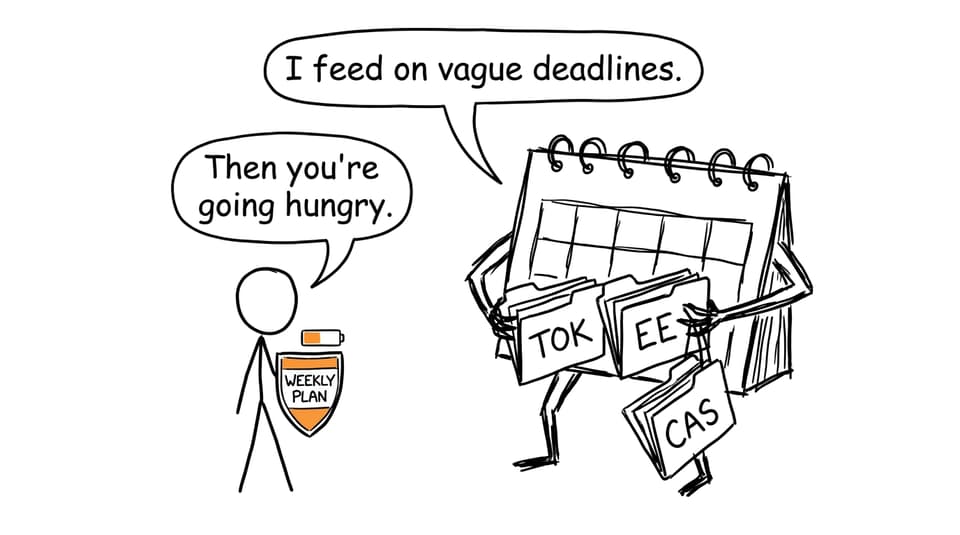
The Diploma combines long projects with subject assessments and final examinations. Students who postpone every large task until the deadline can create avoidable pressure. That does not mean a currently disorganized child is unsuitable. It means they need a workable planning system before deadlines begin overlapping.
A useful test is whether your child can break one large task into small actions and complete those actions across several weeks. RevisionDojo's IB time-management guide offers a practical starting point.
Resilience matters more than perfect grades
IB students encounter difficult feedback. An essay may need restructuring. A scientific method may fail. A timed response may expose weak technique. The useful question is not whether your child dislikes setbacks. Almost everyone does. It is whether they can turn a setback into a next action.
Look for signs that your child can revisit work, identify what went wrong, and attempt a different method. If disappointment regularly becomes panic, withdrawal, or harsh self-criticism, discuss support with the school before enrollment. A demanding programme should stretch a student without making distress seem normal or admirable.
Breadth must feel tolerable
Some students love specializing early and strongly dislike maintaining subjects outside one narrow interest. The IB requires breadth across languages, individuals and societies, sciences, mathematics, and the arts or an allowed alternative.
That breadth can be valuable, but it is still a real demand. Ask whether your child can continue working responsibly in required areas that are not personal favorites. They do not need to love every course. They do need to tolerate being a learner in subjects where success takes effort.
A light IB suitability self-assessment
Ask your child to score each statement from 0 to 2:
- 0: rarely true
- 1: sometimes true
- 2: usually true
| Statement | Score |
|---|---|
| I can work steadily without waiting for panic to motivate me. | 0-2 |
| I am willing to ask for clarification when I am confused. | 0-2 |
| I can study subjects outside my strongest area. | 0-2 |
| I usually act on feedback instead of ignoring it. | 0-2 |
| I am interested in researching a question independently. | 0-2 |
| I can protect time for sleep, movement, and relationships. | 0-2 |
| I am willing to use a calendar or weekly plan. | 0-2 |
| I want the IB for reasons I understand, not only because others expect it. | 0-2 |
A score of 12 to 16 suggests a strong current fit. A score of 8 to 11 suggests potential, with specific habits to strengthen. A lower score is not an automatic rejection. It is an invitation to ask what is missing: motivation, academic preparation, organization, wellbeing support, or accurate information about the programme.
Do not use the total as an admissions instrument or psychological diagnosis. The conversation around each answer is more valuable than the number. A student who scores zero for planning but wants to learn may be in a better position than one who appears highly organized but has no personal reason for choosing the Diploma.
Subject choices can change the answer
Sometimes the child is not poorly suited to IB. The proposed subject combination is poorly suited to the child.
Higher Level choices should sit at the intersection of academic strength, genuine interest, and university requirements. Choosing three impressive-sounding HL subjects without considering workload can make the entire programme feel like a mismatch. Conversely, choosing only for comfort can close routes that require particular HL courses.
Review the school's actual offerings and consult the IB coordinator. Then check current entry requirements for likely university destinations because recognition and subject requirements vary among countries, institutions, and degree programmes. RevisionDojo's guidance on choosing IB subjects and whether universities care about HL or SL can help structure that discussion.
If the complete Diploma is not the right fit, some schools allow students to take individual DP courses instead. The available route depends on the school, but parents can compare the implications in this full IB Diploma versus individual courses guide.
Look at the support system, not only the student
IB suitability is often discussed as if the student exists in isolation. They do not. School coordination, teaching quality, family expectations, access to feedback, and mental health support all affect the experience.
Before deciding, ask the school:
- How are major coursework deadlines distributed?
- What support is provided for TOK and the Extended Essay?
- How does the school monitor workload and student wellbeing?
- How easy is it to change a subject or level early in the programme?
- What happens when a student begins falling behind?
- How frequently do parents receive meaningful progress information?
Parents should provide structure without becoming project managers. A weekly conversation about upcoming deadlines is usually more useful than daily surveillance. Ask, “What is your plan?” before saying, “Here is what you must do.” The goal is to help the student develop ownership.
Persistent stress affecting sleep, eating, attendance, concentration, or ordinary life deserves early attention from the school and an appropriate health professional. RevisionDojo's guide to managing IB exam stress also explains how planning, active practice, recovery, and timely support can work together.
How RevisionDojo makes the IB more manageable
A good support system reduces the distance between confusion and useful action. That is where RevisionDojo can quietly change a student's experience.
Students can clarify content through Study Notes, retain it with Flashcards, and apply it using the Questionbank. When they get stuck, AI Chat can provide targeted explanations. Grading tools and the Coursework Library help make expectations more visible, while Predicted Papers and Mock Exams build familiarity with timed work. If a problem needs human guidance, Tutors provide more focused support.
This is not about removing challenge. It is about making challenge navigable. The RevisionDojo IB exam preparation platform brings those resources into one study system, allowing a student to move from understanding to practice, feedback, and improvement.
Make the decision from evidence, not reputation
The IB Diploma is not reserved for prodigies, and choosing it should not be a prestige decision. Speak with your child, their current teachers, and the school's IB coordinator. Examine their subject plan, current study habits, reasons for enrolling, and willingness to seek support. If possible, ask to see a sample timetable and assessment calendar.
Then separate concerns that can be addressed from genuine mismatches. Weak planning can improve. One difficult subject can be supported. A carefully balanced programme can prevent unnecessary overload. But sustained unwillingness, serious unresolved wellbeing concerns, or subject choices that conflict with future requirements deserve careful reconsideration.
The right question is not whether your child can complete two demanding years without struggling. Struggle is part of meaningful learning. The question is whether they can respond to difficulty with a plan, feedback, and people who know how to help.
With thoughtful subject choices, realistic expectations, and resources such as RevisionDojo available when the work becomes difficult, almost any capable student can succeed in IB with the right support system