
Time is the only subject in the IB that everyone takes.
You can be brilliant and still lose marks because the week got away from you. The weird part is that most IB stress isn’t caused by “too much work” as much as it’s caused by invisible work: half-started essays, open tabs, unclear next steps, and revision that feels busy but doesn’t move your grade.
This guide is a calm, practical system for IB time management: a few tools, a few rules, and a rhythm you can keep when motivation disappears.
The IB time management checklist (save this)
-
Put every IB deadline in one place (IAs, EE, TOK, exams, school events).
-
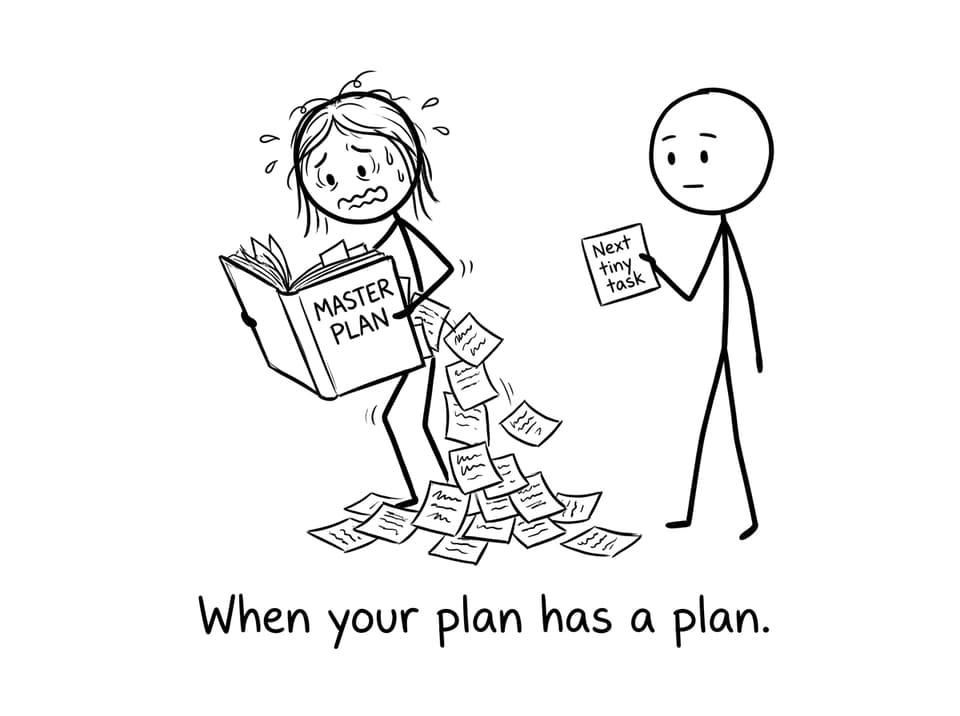
Plan your week in blocks, not vibes.
-
Use 25-50 minute focus sprints.
-
Convert “study” into one measurable action (questions, flashcards, a timed section).
-
Review your plan weekly and adjust.
-
Protect sleep with a hard stop time.
If you want more structure, keep Best Time Management Hacks for IB Students open as a baseline.
Build one master calendar (and stop renegotiating daily)
A master calendar is your first real IB tool because it prevents surprise. Add exam dates, IA milestones, EE checkpoints, TOK deadlines, CAS commitments, and even sports or family events. Then work backward: if a draft is due Friday, the outline can’t be Thursday night.
This is also where RevisionDojo helps you stop guessing. Instead of “I should revise Biology,” you can pair your calendar with targeted resources like the RevisionDojo App guide for IB exam prep so each block has a clear purpose: Study Notes for understanding, Flashcards for recall, and Questionbank drills for proof.
For a fuller walkthrough, see Time Management Strategies for IB Students.
Prioritize like an IB student (urgent vs important)
The IB rewards consistent progress on big tasks, not heroic last-minute weekends. Use a simple filter:
-
Important + soon: tomorrow’s test, IA submission, a timed practice session.
-
Important + not soon: EE research, TOK planning, building flashcards.
-
Urgent + not important: messages, “quick edits,” admin tasks.
Your goal is to schedule the second category before it becomes the first.
TOK is a good example. A TOK essay feels “not urgent” until it suddenly becomes everything. If you’re working on structure, use Structuring for Success in IB TOK Essays and Comprehensive Guide to IB TOK Essay Structure to turn a scary task into small steps you can actually schedule.
Use short, focused sessions (the IB doesn’t pay by the hour)
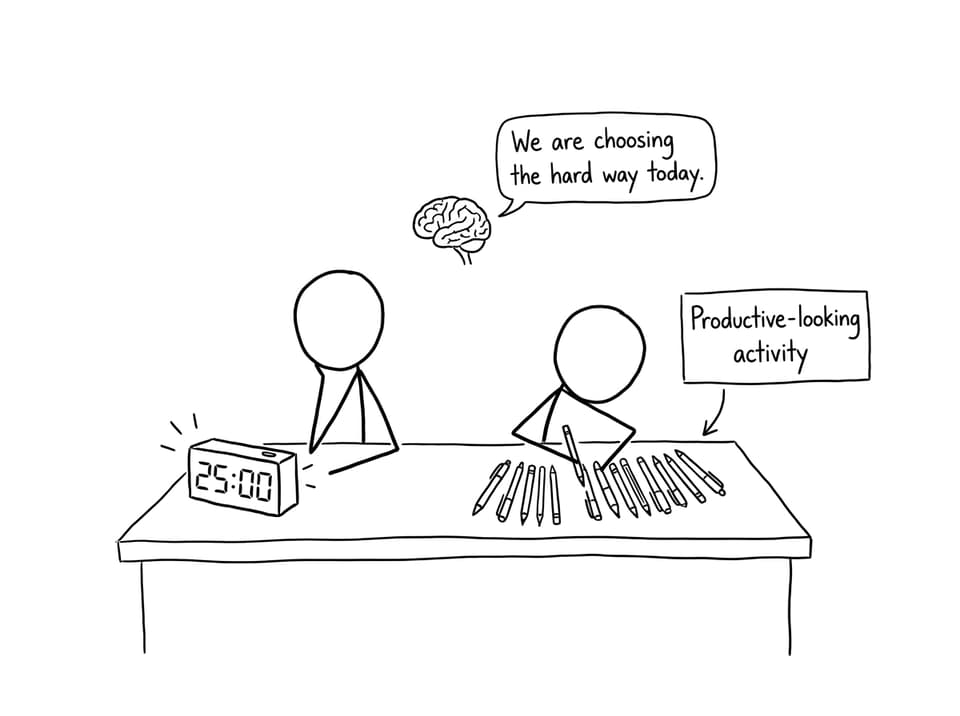
A clean time block beats a long study session that leaks attention. Try this:
-
25 minutes: one topic, one outcome.
-
5 minutes: break.
-
Repeat 2-3 times.
In an IB week, this works because it lowers the “starting cost.” Your brain stops negotiating. You sit down, you do the block, you log what happened.
RevisionDojo makes these blocks concrete: do a small set in the Questionbank, turn mistakes into Flashcards, ask AI Chat one targeted “why,” then finish with a quick review using the Grading tools.
Practice time management inside IB exam conditions
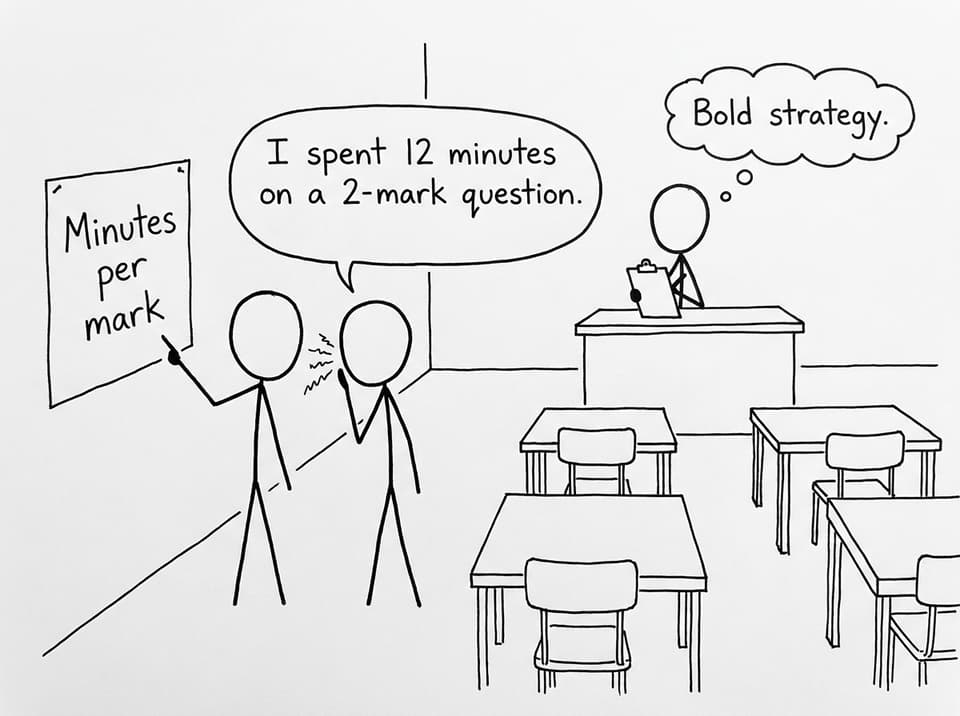
Here’s the honest truth: you don’t learn pacing by reading about pacing. You learn it by doing timed practice, reviewing your choices, then doing it again.
At least once per week, schedule a timed sitting: a section or a full paper-style attempt using Mock Exams and Predicted Papers. Then do the part most students skip: review longer than you attempted. That’s where your score grows.
Two helpful reads to build this skill:
A weekly review ritual (15 minutes that saves your IB sanity)
Pick one day (Sunday works) and do a short review:
-
What did I finish?
-
What slipped, and why (too big, too vague, too late)?
-
What is the single most important IB task this week?
-
Where can I place one timed session?
If you need a bigger reset, browse the Time management tag hub and choose one idea to apply for seven days.
Closing: make time management your seventh IB subject
The students who look “naturally organized” are usually just running a small system: one calendar, short focus blocks, weekly review, and timed practice under pressure. Do that for a month and your IB workload stops feeling like a wave and starts feeling like a schedule.
If you want that system in one place, RevisionDojo is built for it: Study Notes to understand faster, Flashcards to remember, Questionbank to train with feedback, AI Chat to get unstuck, Grading tools to learn what earns marks, plus Mock Exams, Predicted Papers, the Coursework Library, and Tutors when you need support that’s specific to your next deadline.