



If you’ve ever replayed a rehearsal in your head at 2 a.m., you already understand the strange truth of IB Dance: the work doesn’t stop when the music does. A 7 isn’t awarded just for being “good at dancing.” It’s awarded for building evidence in movement, in process, and in analysis that you understand what you’re doing and why it works.
So, is it hard to get a 7 in IB Dance? Yes. But it’s hard in a very specific way: not because you must be the most naturally talented dancer in your cohort, but because you must become unusually intentional about craft, reflection, and clarity.
The honest answer: what makes IB Dance “hard” (and beatable)
A 7 in IB Dance asks you to perform two roles at once:
-
The artist who makes choices with purpose (not just instinct)
-
The analyst who can explain those choices in precise language
Many students are strong in one role and weaker in the other. The students who score highest usually build a loop: create, test, reflect, refine; then document it so an examiner can follow your thinking.
If you want a big-picture look at what the course is actually testing, keep the syllabus close: Everything You Need to Know About the IB Dance Syllabus.
Quick checklist: the 7-level habits in IB Dance
Use this as your weekly compass for IB Dance:
-
You film rehearsals early, not “when it’s ready.”
-
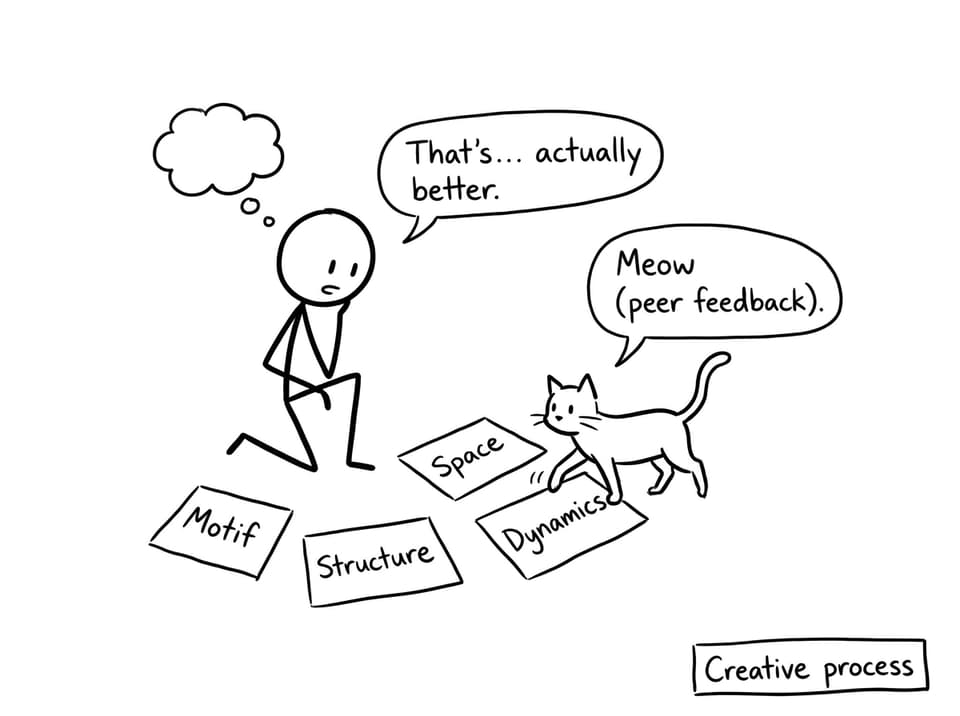
You can name choreographic intentions (motif, structure, dynamics, space) without guessing.
-
Your reflections explain cause and effect: “I changed X, which created Y.”
-
You seek feedback, then show how you acted on it.
-
You protect your body with recovery like it’s part of revision.
-
You practice under pressure: timed, planned, consistent.
To make the schedule realistic, pair Dance with smarter study blocks. This guide helps: How to Balance IB Dance Practice with Other Subjects.
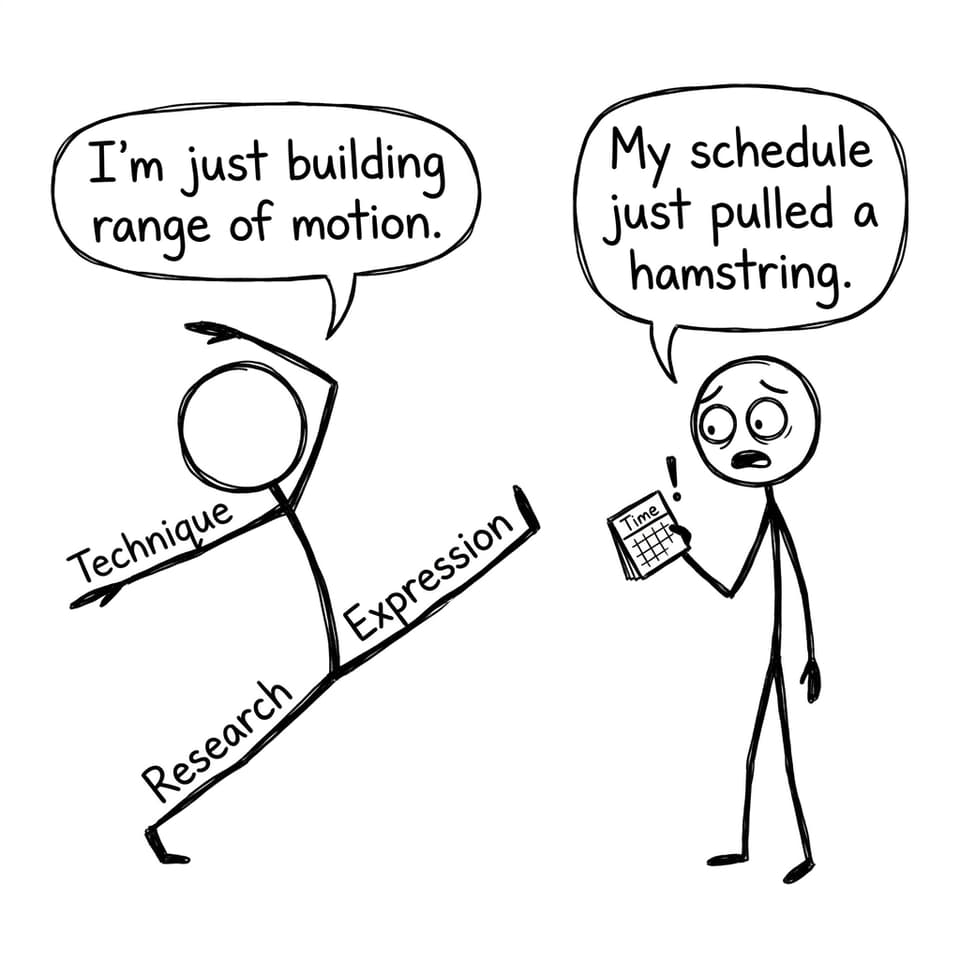
How a 7 is built across the main IB Dance demands
Even if your course structure varies slightly by school, IB Dance usually rewards the same three pillars: choreography, performance, and investigation/research.
Composition and analysis: where most 7s are won
Top students treat choreography like a lab report, not because it kills creativity, but because it makes creativity repeatable.
What tends to separate 6 from 7 in IB Dance here is specificity:
-
Not “I used levels,” but “I lowered the center of gravity during the motif repetition to intensify resistance.”
-
Not “it shows conflict,” but “the relationship shifts from mirroring to counterpoint, changing the power dynamic.”
A practical workflow that helps:
-
Keep a process journal (bullet points count).
-
After each rehearsal video, write three decisions you made and one decision you avoided.
-
Turn the best insights into flashcards (command terms, choreographic devices, analysis verbs).
On RevisionDojo, this is where Flashcards and Study Notes quietly do the heavy lifting. You can build a personal deck of “analysis sentences that actually score.”
Performance: technique matters, but intention matters more
Performance in IB Dance is not only about clean execution. Examiners look for control, projection, phrasing, musicality, and coherence with the choreographic idea.
What helps in the final stretch:
-
Film one run each week under “exam energy” conditions.
-
Write a short reflection: what communicated clearly, what didn’t, and what you’ll change next rehearsal.
-
Train stamina deliberately (full-outs, not just marking).
RevisionDojo’s Mock Exams mindset applies here even if your assessment is practical: rehearse like it’s the real run, then review with brutal kindness. If you’re rebuilding your overall exam strategy in other subjects too, this is useful: How to Study for IB Mocks (Without Burning Out).
Dance investigation: the research that actually earns marks
The research component in IB Dance rewards students who choose a focused question and prove they can connect evidence to argument.
Common traps:
-
Choosing a topic that’s too broad (“hip-hop history”) instead of a precise angle.
-
Describing sources without evaluating them.
-
Writing beautifully but not linking back to the research question.
A strong fix is rubric-first drafting. RevisionDojo’s Grading tools can help you see what your draft is doing against the criteria, not just what it sounds like.
Helpful tools:
The RevisionDojo plan for IB Dance: a simple weekly loop
A calm, high-scoring IB Dance week usually looks like this:
-
Two technique/performance sessions focused on one measurable goal
-
One choreography lab session (generate, select, refine)
-
Two short analysis sessions (write while the rehearsal is still fresh)
-
One research block (sources + outline + evaluation)
Then plug in RevisionDojo features to keep the loop tight:
-
AI Chat to untangle analysis wording fast
-
Study Notes to anchor theory and vocabulary
-
Flashcards for daily retention (devices, command terms, exemplar phrases)
-
Grading tools to align writing to the rubric
-
Tutors when feedback needs to be human and specific
If you want the broader “how RevisionDojo fits your whole diploma” overview, start here: RevisionDojo App: The Smarter Way to Prep for IB Exams. And for a clean dashboard of IB support, see: RevisionDojo for IB.
Conclusion: yes, it’s hard, but it’s not mysterious
A 7 in IB Dance is hard the way a clean routine is hard: not because it’s magic, but because it’s built from small choices repeated until they look effortless. If you choreograph with intention, perform with clarity, and write analysis that shows cause and effect, you’re doing 7-level work.
When you’re ready to make that work feel more organized, RevisionDojo is designed for the full loop, including Questionbank, Study Notes, Flashcards, AI Chat, Grading tools, Predicted Papers, Mock Exams, Coursework Library, and Tutors, so your effort turns into marks, not just fatigue.
Explore more IB Dance support here: All IB Dance posts and Is It Worth Taking IB Dance? An In-Depth Look.