


Interdependence sounds like a polite word. Like a group chat where everyone shares notes and nobody leaves you on read.
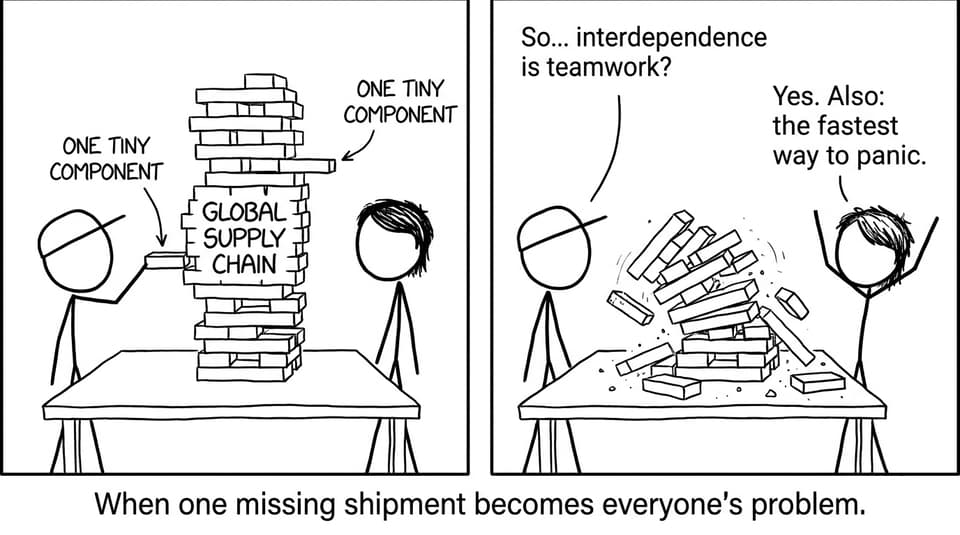
Then a single shipment gets delayed, a payment system breaks, or a cyberattack spills across borders, and suddenly the same “connections” feel like handcuffs.
That tension is exactly why IB Global Politics treats interdependence as a contested concept. It can reward cooperation, but it can also manufacture conflict. Your exam job is not to pick a side too early. It is to show how the outcome depends on symmetry, vulnerability, institutions, and political choices.
Quick checklist for a high-scoring IB Global Politics answer
-
Define interdependence clearly (economic, political, security)
-
Make a claim: why it can encourage cooperation
-
Counterclaim: how it can create conflict through leverage
-
Evaluate: when cooperation is more likely than conflict (or vice versa)
-
Use one or two real examples, explained not just named
If you want a clean definition before writing, start with What Is Interdependence in Global Politics?.
How interdependence becomes cooperation
Cooperation happens when interdependence raises the cost of fighting. If two economies rely on each other for trade, investment, finance, or energy, conflict becomes self-harm. In IB Global Politics, this is where you connect interdependence to incentives: actors cooperate to protect what they share.
Political and security interdependence can push cooperation even harder. Problems like pandemics, climate change, terrorism, and cyber insecurity do not respect borders. Unilateral action looks strong in speeches but weak in outcomes. So states create agreements, institutions, and routines for coordination.
To add institutional detail, you can use governance examples from The United Nations Notes and connect them to your evaluation: institutions can reduce uncertainty, share information, and help states keep promises.
For structured revision of this syllabus area, IB Global Politics Interdependence is a useful hub.
How interdependence becomes conflict
Interdependence turns conflictual when it is unequal. Asymmetrical interdependence means one side needs the relationship more. That imbalance creates bargaining power and temptation: the less dependent actor may use pressure, conditional access, or strategic “chokepoints” to gain concessions.
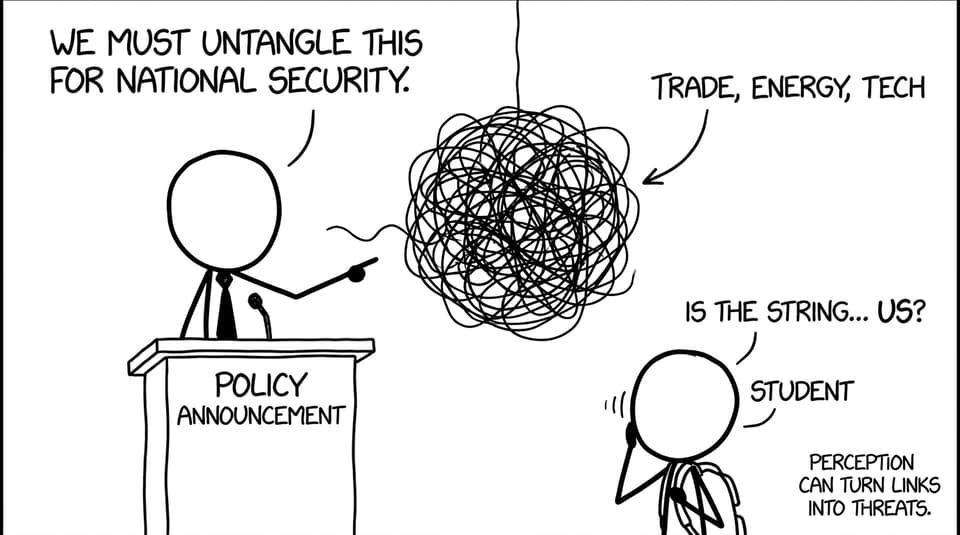
Interdependence can also trigger security dilemmas. States worry about relying on external suppliers for critical goods, technology, energy, or infrastructure. In a crisis, what looked like efficiency starts to look like vulnerability. Defensive policies then appear: controls, diversification, reshoring, restrictions, and other actors interpret those moves as hostile.
Perception matters. Leaders can frame interdependence as “lost sovereignty” to win domestic support, even if the relationship is mutually beneficial. If you want to link this to legitimacy debates in IB Global Politics, see External challenges to state legitimacy.
Exam technique: turn “it depends” into evaluation
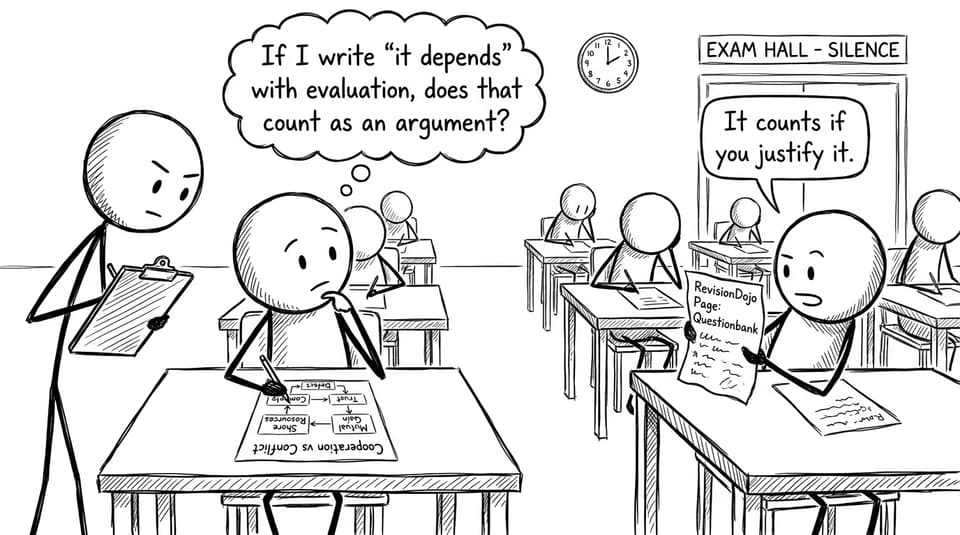
In IB Global Politics, “it depends” only earns marks when you specify what it depends on. A practical way to do this is to build your judgement around four variables:
-
Symmetry: who depends more?
-
Institutions: are there rules and enforcement?
-
Trust and expectations: do actors believe cooperation will last?
-
Domestic politics: are leaders rewarded for compromise or confrontation?
Then practise under time pressure. Use the IB Global Politics Interdependence Questionbank for exam-style prompts, and plan answers with clear claim/counterclaim structure.
For essay structure, the Paper 2 Guide Notes help you organise balanced paragraphs and finish with a justified judgement. If you are preparing for full exam simulations, try Global Politics Predicted Papers.
Conclusion: cooperation or conflict? Both, and that’s the point
Interdependence is not a guarantee of harmony, and it is not a prophecy of rivalry either. In IB Global Politics, the smartest position is conditional: interdependence tends to support cooperation when it is relatively symmetrical and governed by trusted institutions, but it can fuel conflict when it becomes a tool of leverage or a story about vulnerability.
If you want to turn that nuance into marks, practise with RevisionDojo’s Questionbank, lock in definitions with Flashcards, and test yourself with Predicted Papers and Mock Exams. Interdependence rewards the students who revise like diplomats: clearly, patiently, and with evidence.