




If you have ever watched a beautifully shot short film and thought, I could do that, IB Film can feel like an obvious choice. Then the deadlines arrive. The reflection has a word count. The criteria read like a foreign language. Suddenly Subject Selection is not just about what you love; it is about what you can execute, document, and improve under pressure.
So, is IB Film hard to get a 7? Yes, but not for the reason most students assume. It is rarely the “film” part. It is the quiet, consistent ability to turn creative choices into examiner-friendly evidence.
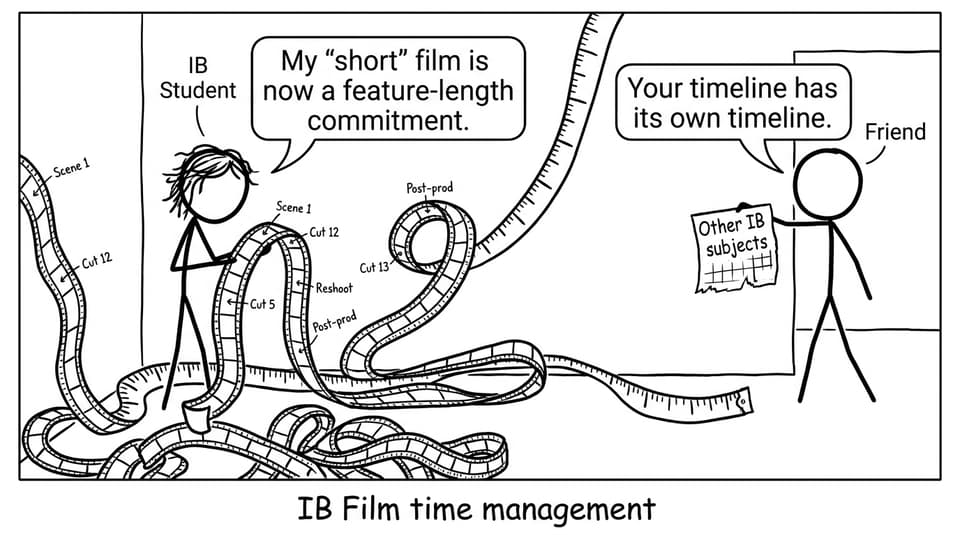
Subject Selection: what a 7 in IB Film actually demands
Before you decide IB Film is “easy because it is creative,” ground your Subject Selection in what the course really rewards. IB Film is split between analysis and making, and a 7 usually requires strength in both.
A fast checklist:
-
You can write clearly about how film constructs meaning (not just what happens)
-
You can plan productions and finish them to a consistent technical standard
-
You can reflect with honesty and precision, using criteria language
-
You can manage multiple long projects alongside other IB subjects
If you want a clean breakdown of the course structure, keep this open while you plan: Dive into the World of IB Film: A Comprehensive Syllabus Guide.
The four assessment components (and why they feel hard)
Most students experience IB Film as four overlapping marathons.
Textual Analysis
This is where high grades are won quietly. You are not listing techniques; you are explaining how cinematography, editing, sound, and mise-en-scene create meaning. If writing is not your strength, Subject Selection matters here because the best ideas still need disciplined paragraphs.
Comparative Study
You need two or more films that give you real contrast (culture, context, industry, time) and enough craft detail to analyze. Choosing “favourites” is tempting, but strategic film choices make the 7 more realistic. Use: How to Choose Films for IB Film Comparative Analysis.
Film Portfolio
Practical work only scores well when your intentions, process evidence, and commentary match the rubric. Many strong filmmakers drop marks here because they treat documentation like an afterthought.
Collaborative Film Project
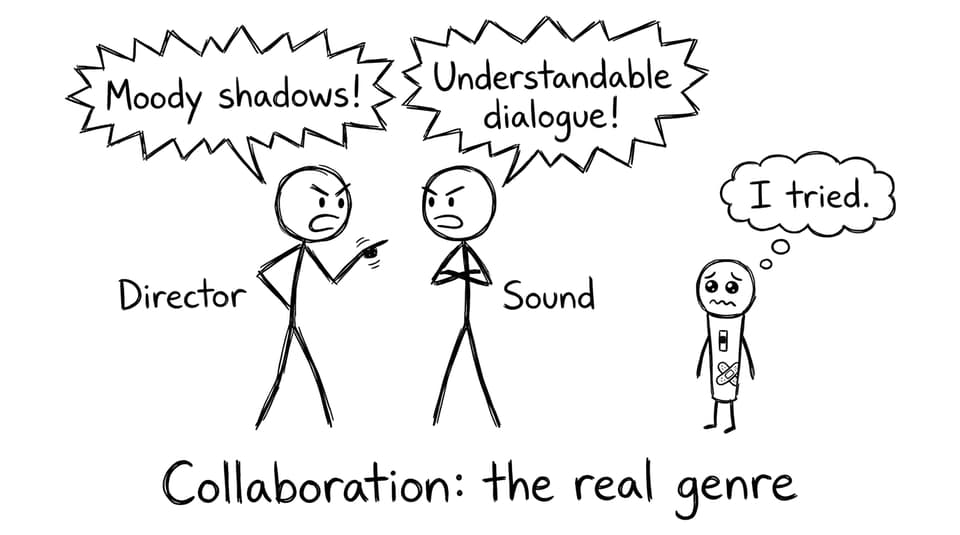
Group work is its own genre. A 7-level project is less about having the most ambitious story and more about clear roles, calm communication, and decision-making you can justify.
Why getting a 7 feels harder than students expect
Three patterns explain most “I thought I was doing well” surprises.
Creativity is not the same as criteria
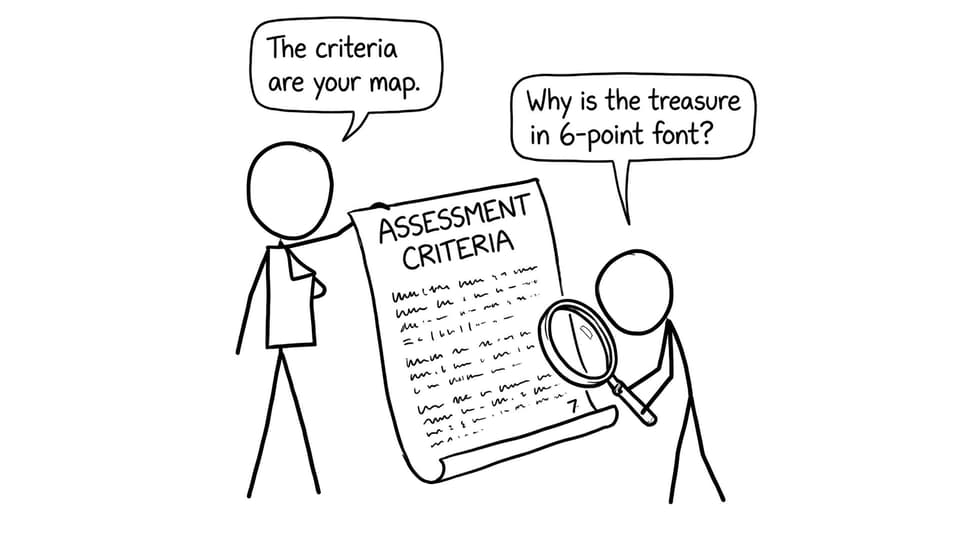
IB rewards intentional creativity. Examiners want to see that choices are motivated, controlled, and evaluated. This is why understanding the rubric early changes everything.
The workload is sneaky
Film is project-heavy, and projects expand to fill the time you do not protect. If your other subjects are demanding, your Subject Selection should consider whether you can keep Film moving every week.
Reflection is a skill, not a diary
Top-band reflection is specific: what you attempted, what happened, what you learned, and what you would change next time, linked back to film language and audience effect.
A RevisionDojo strategy to make IB Film feel manageable
A 7 becomes more likely when you build one repeatable loop: learn, practice, get feedback, improve.
RevisionDojo is built for that loop:
-
Use the Questionbank to practice examiner-style thinking across subjects so Film does not steal all your revision time
-
Pull quick clarity from IB Film posts when you are stuck on terminology or structure
-
Use Study Notes and Flashcards to keep film language automatic (so your writing stops sounding like guesswork)
-
Ask AI Chat to pressure-test your paragraphs: “What is my claim, evidence, and effect?”
-
Use Grading tools for rubric-aligned feedback on draft writing and commentary
-
Benchmark your standard using the Coursework Library, including IB Film Coursework: Examples and Insights and IB Film EE Examples
-
Add Mock Exams and Predicted Papers to simulate pressure in other subjects, so Film deadlines do not collide with panic
-
Bring in Tutors when you need a human eye to raise your ceiling fast
If you want the calm, repeatable “7 system” across the Diploma, use: IB: How to Get a 7 (A Calm, Repeatable System).
Conclusion: is a 7 in IB Film possible?
A 7 in IB Film is hard, but it is not mysterious. It is the result of small, repeatable habits: choosing analyzable films, documenting process, writing with film language, and revising with criteria in mind. If you treat Subject Selection as a strategy decision rather than a personality test, you can choose Film with confidence.
When you are ready to make that confidence practical, build your workflow in RevisionDojo, from Study Notes and Flashcards to AI Chat, Grading tools, the Coursework Library, and targeted practice that keeps the rest of your IB subjects stable too.