



If you have ever listened to a piece of music and felt like it explained you better than your own words, you already understand the hidden promise of IB Music. The course is not just about playing well or knowing theory; it is about learning how sound carries culture, identity, and choices.
And when exam season arrives, that promise can feel messy. You have recordings, reflections, analysis, deadlines, and feedback coming from every direction. This is where a clear IB Music syllabus breakdown becomes less like bureaucracy and more like relief.
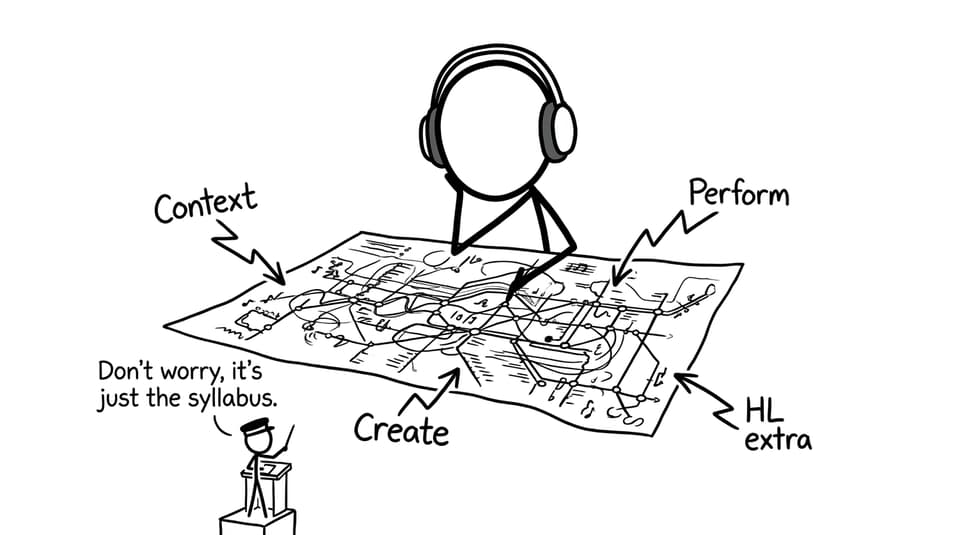
IB Music syllabus at a glance (use this as your checklist)
To revise IB Music efficiently, keep one simple map in mind:
-
Exploring music in context: listening, analysis, culture, and meaning
-
Experimenting with music: composing, arranging, improvising, trying ideas fast
-
Presenting music: performance skills plus thoughtful program choices
-
The contemporary music maker (HL only): a deeper, extended creative-research focus
If you want a broader orientation before you dive in, read What Is the IB Music Course? A Complete Beginner's Guide.
Exploring music in context (where most marks hide in plain sight)
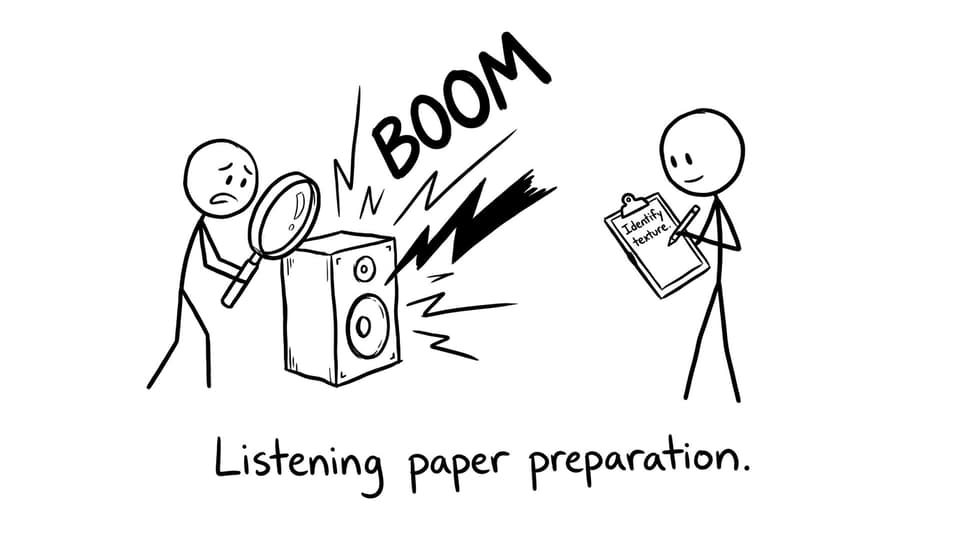
In IB Music, exploring is not passive listening. It is the skill of noticing what others miss, then explaining it with precision.
Your best revision move is to practice short, repeatable analysis routines: identify instrumentation, texture, rhythm, harmony, structure, and then connect those choices to context. A drum pattern is never just a drum pattern in IB Music; it is a fingerprint of place and purpose.
For step-by-step help, use How to Analyze Music for the IB Listening Exam and then reinforce it with How to Revise Effectively for IB Music Listening Exams. On RevisionDojo, this is where Study Notes, Flashcards, and AI Chat shine: you can drill terminology, then immediately test it on new excerpts.
Experimenting with music (how to turn drafts into marks)
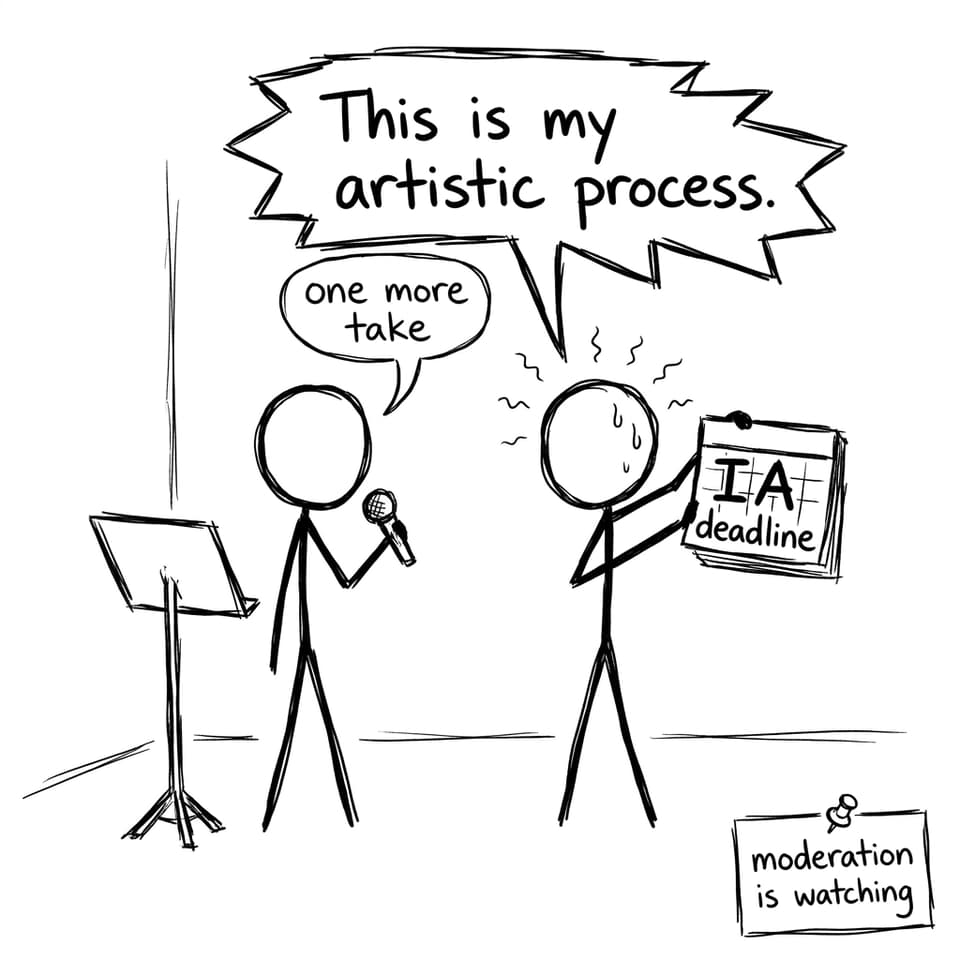
The experimenting strand of IB Music rewards students who show process, not just polish. Drafts, iterations, short reflections, and clear links to influences can raise a piece from “nice” to “examiner-ready.”
A practical approach:
-
Make a “technique bank” (cadences, textures, groove patterns, idiomatic writing)
-
Write tiny studies that explore one technique at a time
-
Save every version and annotate what changed and why
If composition is your stress point, study Mastering Composition Skills in IB Music. Then use RevisionDojo’s Questionbank and Grading tools to check whether your reflections actually match what the criteria reward.
Presenting music (performance plus curation)
Performance in IB Music is not only about accuracy. Examiners look for musical intention: stylistic authenticity, expressive control, and evidence that you understand what you are performing and why.
Two smart revision habits:
-
Record often, but review like an examiner (tone, rhythm, balance, communication)
-
Write mini-reflections right after rehearsal so you do not invent a process later
To align with expectations, use What Examiners Look for in IB Music Performances and What Examiners Look for in IB Music Portfolios. RevisionDojo’s Mock Exams and Tutors can help you turn feedback into a concrete plan, especially when your practice feels busy but not effective.
The contemporary music maker (HL only): depth, not chaos
HL IB Music adds an extra layer: extended, contemporary-facing music-making that combines research thinking with creative choices. The trap is trying to do “more music.” The win is doing more connected music.
Choose a direction you can sustain for months. Then make sure your exploring feeds your creating, and your creating sharpens your presenting. If you are unsure what strong themes look like, start with Best IB Music Exploration Themes for Depth and Variety.
If you want a clear component overview, keep IB Music Syllabus Breakdown: What Students Need to Know open while you plan your timeline.
Bring your IB Music revision together with RevisionDojo
The best IB Music students do one quiet thing well: they connect everything. Listening informs creating. Creating shapes performing. Performing sharpens listening.
If you want that kind of momentum, RevisionDojo gives you the structure: Study Notes, Flashcards, AI Chat, Questionbank, Grading tools, Predicted Papers, Mock Exams, a Coursework Library, and supportive Tutors. Build your plan, track your progress, and make your IB Music syllabus feel like a symphony instead of noise.