



If you have ever tried to help a friend study by sending them your notes, you already understand why Is Foreign Aid Effective in Promoting Development? is such a tricky question. Sometimes your notes save them. Other times, they copy without understanding and do worse. Aid works the same way: it can be life-saving, or it can quietly block real change.
In IB terms, Is Foreign Aid Effective in Promoting Development? is never answered with a clean yes or no. High-scoring responses show conditional judgement: aid can work in some contexts, fail in others, and often does both at once.
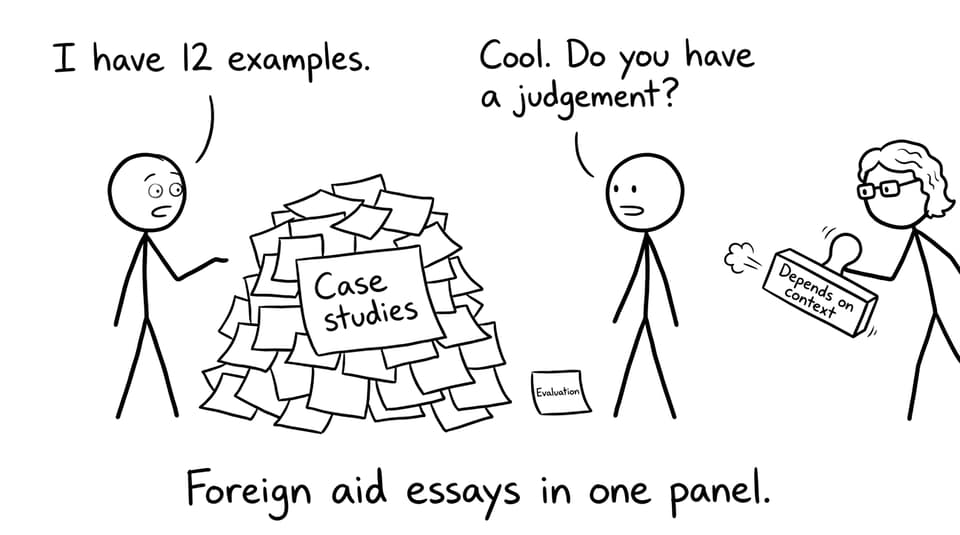
Quick exam checklist for “Is Foreign Aid Effective in Promoting Development?”
-
Define foreign aid (humanitarian vs development assistance)
-
Explain how aid could promote development (services, infrastructure, capacity)
-
Explain why aid may fail (dependency, donor interests, governance problems)
-
Evaluate using “depends on” conditions (institutions, ownership, transparency)
-
Finish with a balanced judgement that directly answers: Is Foreign Aid Effective in Promoting Development?
For background on how IB frames development, see What Is Development in Global Politics?.
When foreign aid is effective in promoting development
Humanitarian aid is often the clearest case for effectiveness. In conflict, famine, or natural disasters, providing food, medicine, and shelter can prevent a rapid collapse in human development. In those moments, the key question is not long-term growth but survival.
Development-focused aid can also work when it funds long-run basics: education systems, public health, transport, and administrative capacity. If money strengthens institutions instead of bypassing them, it can improve service delivery and state legitimacy. This is where the essay becomes more interesting: Is Foreign Aid Effective in Promoting Development? tends to be “yes” when the recipient state and local communities have real ownership of priorities.
If you want a clean way to structure evidence, RevisionDojo’s IB Global Politics Resources make it easy to connect concepts like legitimacy and accountability to concrete examples.
Knowledge transfer: the quiet benefit students forget
A common IB blind spot is treating aid as only “money.” But many aid programs include training, data systems, and technical expertise. When local officials learn how to run vaccination campaigns, manage budgets, or track outcomes, the impact can outlast funding cycles.
This is also where you can link to economics language: productivity, human capital, and institutional quality. For development content, use Strategies to Promote Economic Growth and Development (Notes) and connect it to your argument about why Is Foreign Aid Effective in Promoting Development? depends on design.
Why foreign aid may be ineffective or counterproductive
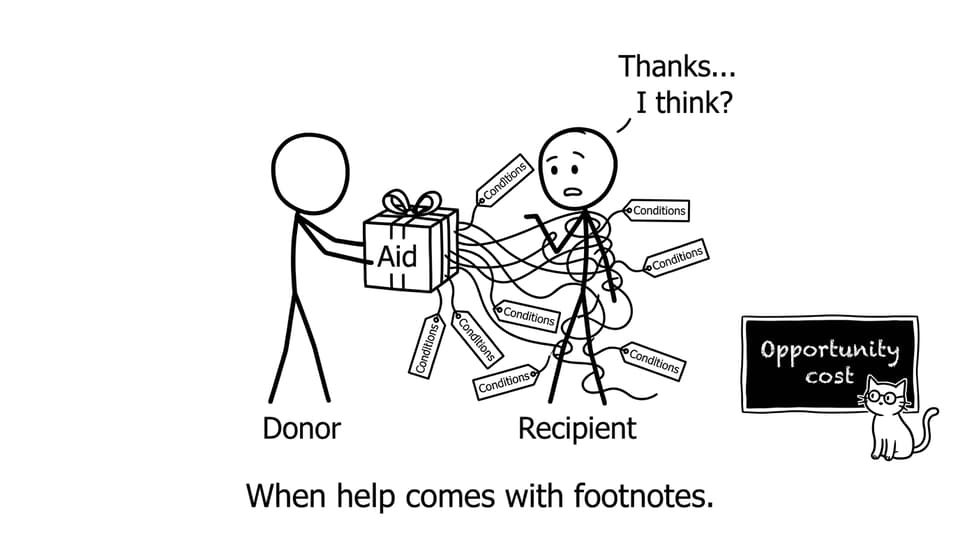
The strongest criticism is dependency. If governments rely on external funding, they may invest less in domestic taxation and become less accountable to citizens. Over time, that can weaken state capacity, which is exactly the opposite of sustainable development.
Donor interests matter too. Aid allocations can be shaped by strategic alliances, trade priorities, or security goals. Conditionality can undermine local legitimacy because policies start to look “imported,” even when they are sensible.
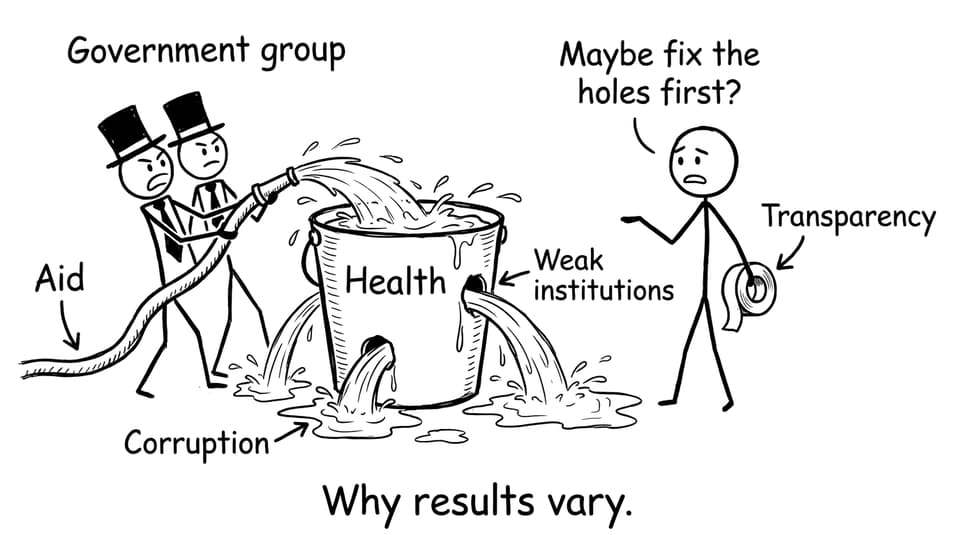
Finally, corruption and weak governance can drain impact. If funds are captured by elites or lost in inefficient systems, aid may reinforce inequality rather than reduce it. This is why Is Foreign Aid Effective in Promoting Development? often turns into a governance question more than a finance question.
For broader development actors, compare aid to other forces like firms and NGOs: How Do Multinational Corporations Affect Development? and Are NGOs Effective in Promoting Development?.
How to write the evaluation paragraph examiners want
A strong evaluation paragraph uses conditions:
-
Aid tends to be effective when it supports local priorities, builds institutions, and is monitored transparently.
-
Aid tends to be less effective when it replaces state responsibility, is driven by donor strategy, or enters corrupt systems.
Then add judgement: Is Foreign Aid Effective in Promoting Development? Yes in humanitarian crises and in institution-building programs with local ownership, but unreliable as a standalone strategy for long-term development.
To sharpen your structure, use How to Use Case Studies in IB Global Politics and How to Revise Effectively for IB Global Politics.
Conclusion: the most IB-accurate answer
So, Is Foreign Aid Effective in Promoting Development? It can be, especially in emergencies and in programmes that build local capacity, strengthen institutions, and align with community priorities. But aid is not a substitute for governance, accountability, and fair economic structures.
If you want to turn this into marks quickly, RevisionDojo is built for it: practise with the Questionbank, lock in definitions with Flashcards, refine arguments using Study Notes, pressure-test ideas with AI Chat, and improve evaluation using Grading tools and Mock Exams. When you are ready to challenge yourself, use Predicted Papers for exam-style practice, and strengthen examples with the Coursework Library or support from Tutors. The question will still be complex, but your answer will not be.