



Introduction
The night before an exhibition, every artwork suddenly feels heavier. Not physically (though, yes, frames are rude), but mentally: Where does it go? What does it mean next to that piece? What will an examiner notice first? In IB Visual Arts, the layout is the quiet narrator. It doesn’t shout. It guides.
A strong IB Visual Arts exhibition layout turns separate works into a single experience with intention, clarity, and control. If your art is the voice, your layout is the pacing.
The quick layout checklist (save this)
-
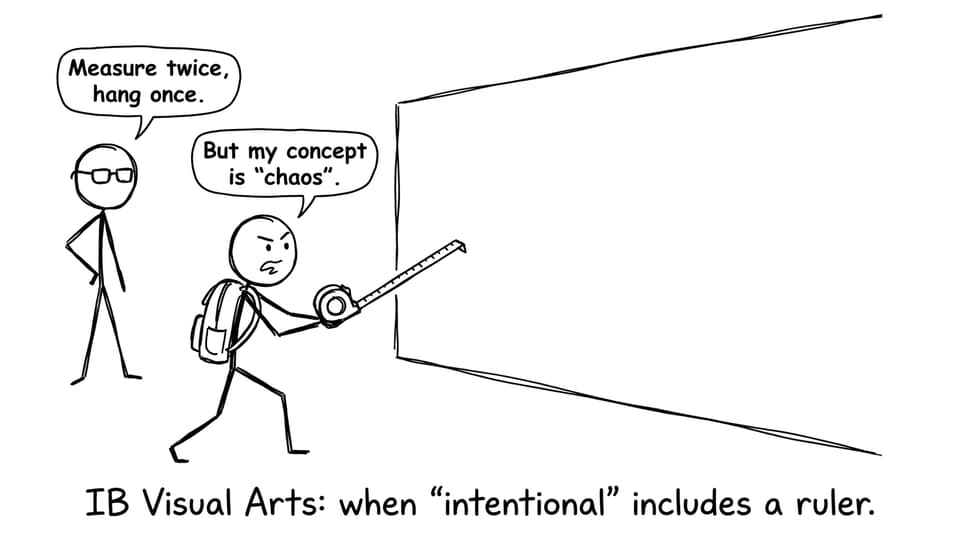
Measure wall widths, heights, and awkward obstacles.
-
Pick one clear “flow logic” (thematic, chronological, or media-based).
-
Choose an anchor piece and build outward.
-
Balance scale (large vs small) and intensity (busy vs quiet).
-
Give 3D work safe breathing room.
-
Test lighting for glare and shadows.
-
Standardize labels and placement.
If you want a deeper set of setup tips, keep this open as you plan: IB Visual Arts Exhibition Setup Tips for High Marks.
Why layout matters in IB Visual Arts
In IB Visual Arts, examiners aren’t “grading the wall.” But they do respond to what the wall makes easy to understand: coherence, progression, and professionalism. Layout helps your curatorial rationale feel true, because the viewer can see the logic instead of hunting for it.
Think of it like editing a film. The same scenes can feel confusing or powerful depending on the cuts.
Understand your space before you understand your theme
Start with facts, not vibes:
-
Wall and floor measurements (including corners and doorway swings).
-
Lighting direction at the time your exhibition will be viewed.
-
Hanging rules, safety limits, and what tools you’re allowed.
Students often skip this step, then “solve” layout problems by overcrowding. If you’re working with a tight room, borrow strategies from Best IB Visual Arts Exhibition Layouts for Small Spaces.
Choose a flow that matches your story
A layout should answer one question: How do I want someone to move through my thinking? Three reliable options for IB Visual Arts:
Thematic flow
Group work by sub-ideas (identity, memory, place, body, consumerism). This is the easiest way to show conceptual coherence.
Chronological flow
Early experiments near the entrance, refined decisions later. This works well when growth is part of the message.
Media-based flow
Photography together, sculpture together, painting together. Useful for clarity, but you must work harder to prove conceptual unity.
For common pitfalls, review: Mistakes to Avoid in IB Visual Arts Exhibition Layout.
Balance, then highlight
Once you’ve chosen the flow, curate the rhythm.
-
Alternate large and small works so the wall breathes.
-
Keep your strongest pieces at natural eye level.
-
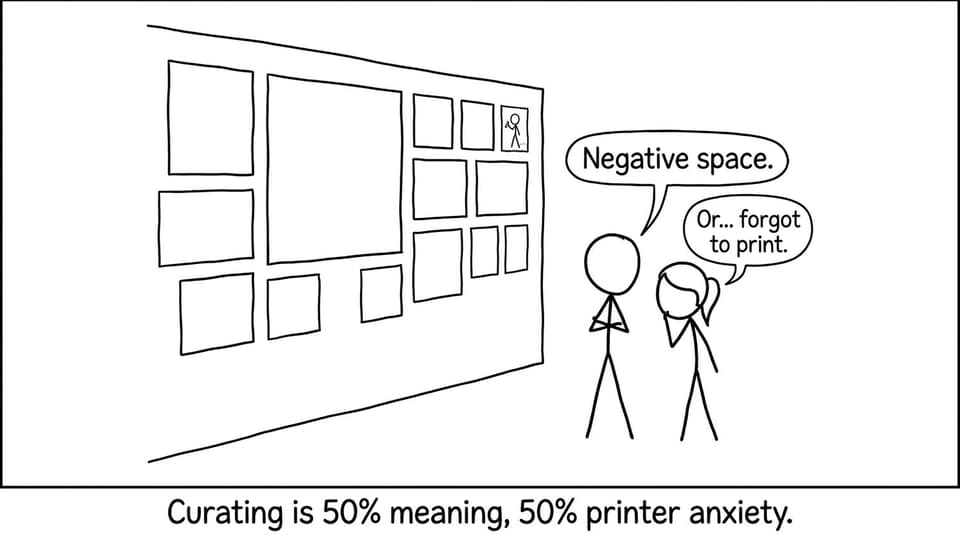
Create pauses (intentional negative space) so viewers can reset.
If you’re unsure you’re displaying the right amount, check the official ranges and curation logic in How Many Artworks Do You Need for the IB Visual Arts Exhibition?.
Labels and text: quiet, consistent, readable
Labels are where good exhibitions accidentally become messy. Keep them uniform: same font, same size, same placement. Include only what’s needed (title, medium, size, year if relevant), and make sure the formatting matches the tone of your show.
Your curatorial rationale should feel supported by the layout choices you made. If you’re building your broader coursework alongside the exhibition, the IB Visual Arts Portfolio guide helps you keep the whole course coherent.
Use RevisionDojo to plan like an examiner
Planning an IB Visual Arts exhibition is still planning under pressure. RevisionDojo helps you make decisions with evidence:
-
Use Study Notes and Flashcards to keep criteria language sharp.
-
Use AI Chat to stress-test your flow: “What’s the clearest thematic order here?”
-
Use Grading tools to tighten your written explanations.
-
Use the Coursework Library for visual benchmarks: IB Visual Arts Examples.
-
Use Tutors when you need a human eye on your curatorial logic.
If you’re building your broader exam routine too, RevisionDojo App: The Smarter Way to Prep for IB Exams shows how the tools connect into one loop.
Conclusion
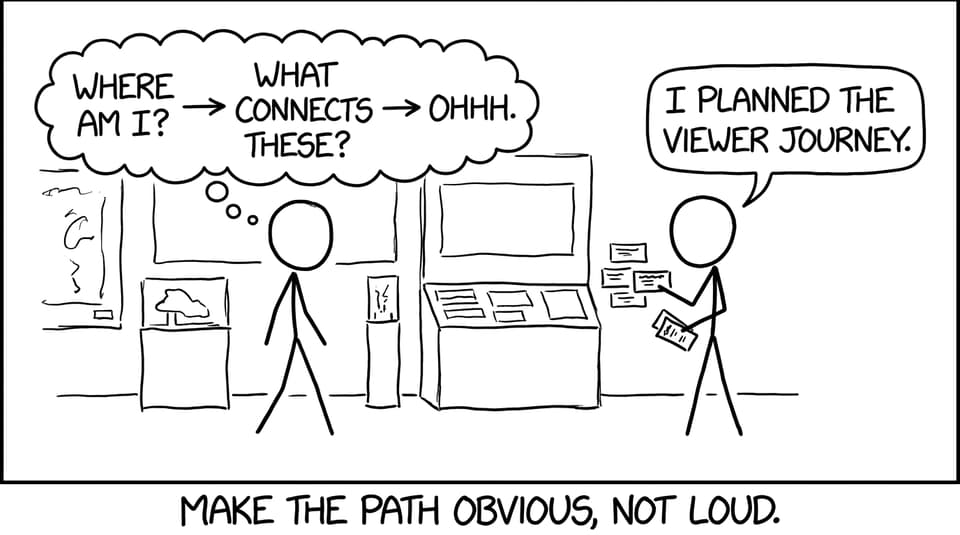
A thoughtful IB Visual Arts exhibition layout is a promise to the viewer: “You won’t get lost here.” Measure the space, choose a flow, balance the wall, and let your strongest pieces land with room to breathe. Then make your labels and texts quiet enough that the art stays loud.
When you’re ready to refine decisions like an examiner, use RevisionDojo’s Study Notes, Flashcards, AI Chat, Grading tools, Mock Exams, Predicted Papers, Coursework Library, Questionbank, and Tutors to turn your layout into a coherent story that earns its marks in IB Visual Arts.


