
If you have ever stared at a brilliant line in your mother tongue and thought, “I understand it… but I can’t prove it,” you already know the strange loneliness of IB Self Taught Mother Tongue Lit.
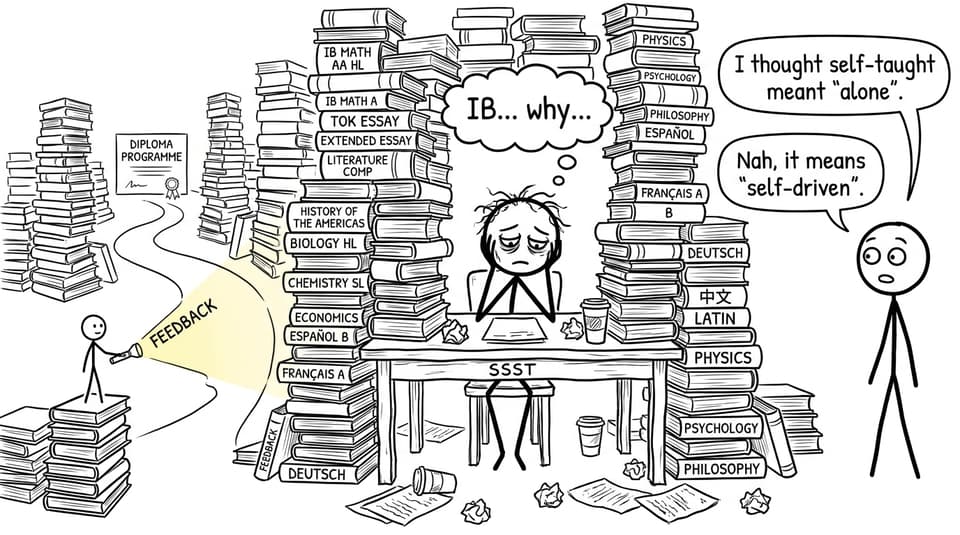
It is not that the course is impossible. It is that it is quietly demanding. You are expected to read like a literature student, write like an examiner, and plan like a project manager, often often without a teacher who can read your language.
A good tutor changes the entire story. Not by doing the work for you, but by turning your effort into marks. This guide shows you how to find the right tutor for IB Self Taught Mother Tongue Lit, how to evaluate them, and how to use RevisionDojo as the system that keeps you improving between sessions.
A quick checklist: what a tutor should help you do
Before you search, get clear on what “help” actually means in IB Self Taught Mother Tongue Lit. A strong tutor should be able to:
-
Translate your ideas into examiner-friendly thesis statements and paragraphs
-
Improve your commentary and analysis so you stop summarizing
-
Coach you on timed writing and planning under pressure
-
Give feedback aligned with IB-style criteria (not just “this is good”)
-
Help you select texts and organize your reading notes efficiently
-
Build accountability so your self-taught plan doesn’t drift
If your tutor cannot do most of these, they might be a nice literature mentor, but not your secret weapon for IB Self Taught Mother Tongue Lit results.
Why IB Self Taught Mother Tongue Lit feels harder than it looks
Most students don’t struggle because they “aren’t good at literature.” They struggle because the course punishes vagueness.
In your head, an interpretation can feel obvious. On the page, it needs to be specific: technique, effect, meaning, and why it matters. That gap, between between insight and evidence, is where scores are won.
A tutor helps you close that gap faster because they can react in real time. They can ask the question you avoided. They can push you from “the author uses imagery” to “the author’s imagery narrows the moral world of the protagonist, and that narrowing is the whole point.”
If you are also self-managing deadlines, reading lists, and writing practice, consider reading Can You Self-Study the IB Diploma Programme? What You Need to Know. It captures the real challenge: self-study is less about intelligence and more about systems.
Where to look for the right tutor (and why each route works)
Finding a tutor for IB Self Taught Mother Tongue Lit is not like finding a generic language tutor. You need someone who can handle literature and assessment demands.
Start inside your school ecosystem
Ask your IB coordinator first. They may know alumni who completed SSST, parents in the community, or partner schools with staff who can recommend someone. This route works because it tends to produce tutors who already understand IB expectations and timelines.
If you want a clearer understanding of how SSST works, keep What is School supported Self Taught Mother Tongue Literature? open while you plan. It helps you describe your needs precisely when you contact potential tutors.
Use universities and language departments
Graduate students and lecturers in your language are often excellent for close reading and academic writing. The risk is that they might not know the IB style of evidence and criteria, so you will need to test this in a trial session.
Online platforms and communities
Online tutoring can work beautifully for IB Self Taught Mother Tongue Lit because the talent pool is global. But platforms are noisy. Many tutors are great at conversation practice and terrible at building exam essays.
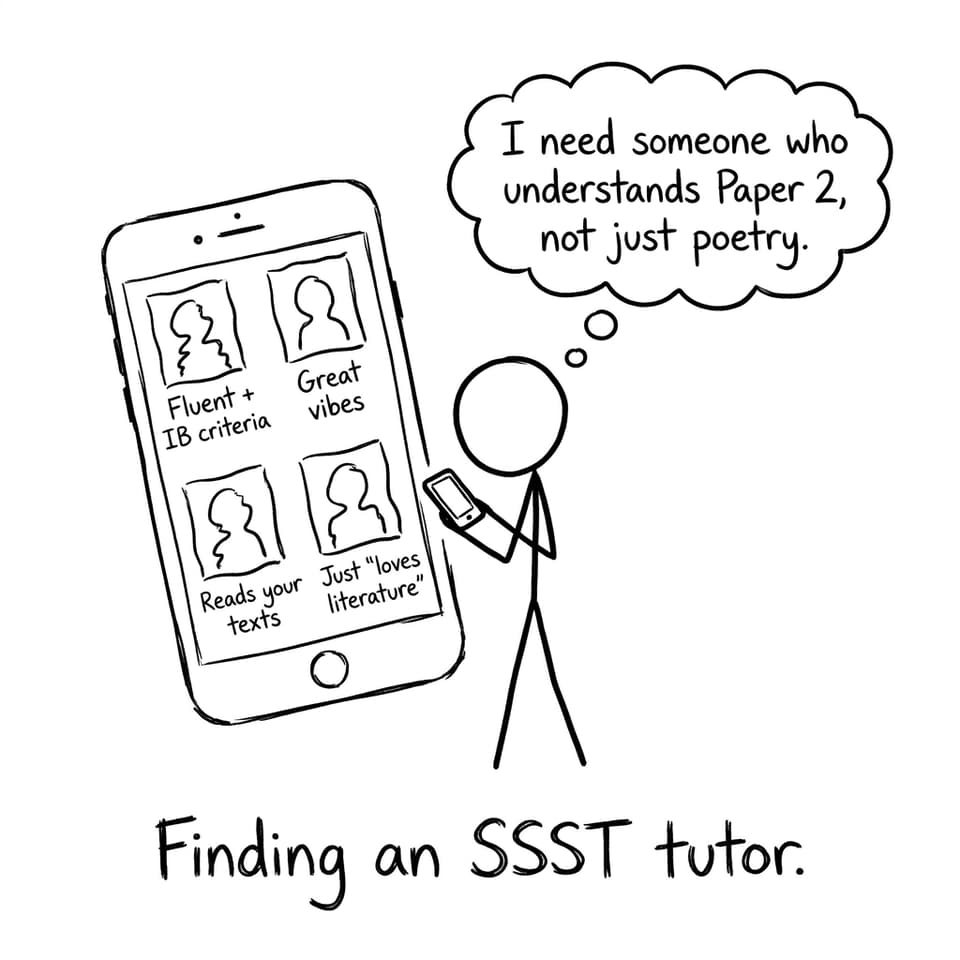
Your job is to filter for “literature + assessment.” Not “I love books.”
How to evaluate a tutor: questions that reveal the truth quickly
A tutor can sound impressive and still not improve your marks. In IB Self Taught Mother Tongue Lit, the best tutors are specific.
Use a trial session and ask questions like:
“How would you structure feedback on a paragraph?”
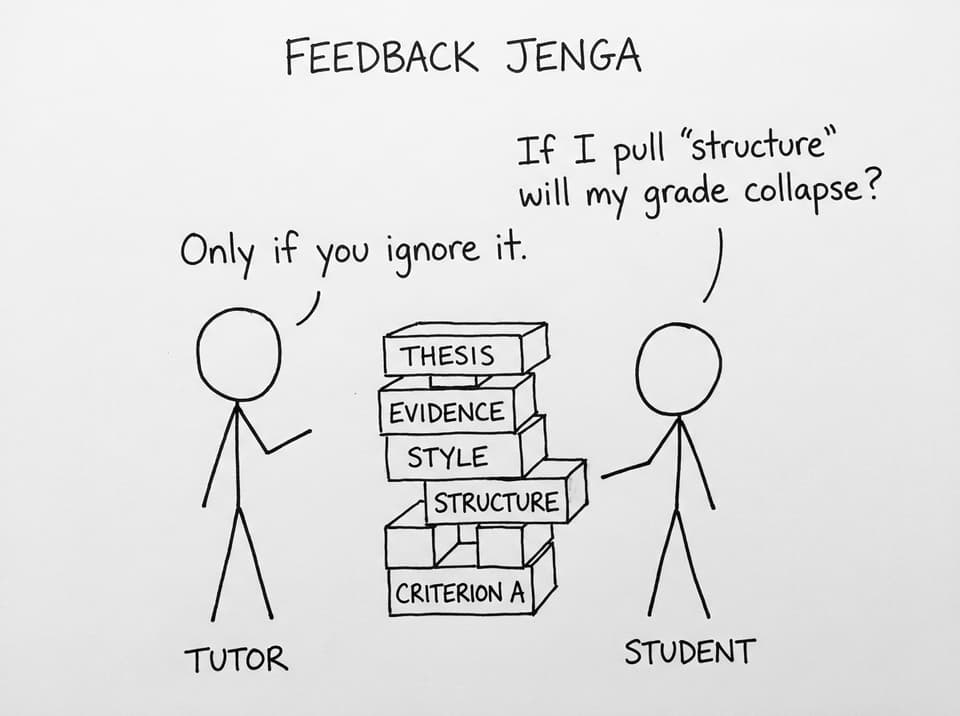
You want to hear something like: thesis clarity, evidence integration, analysis depth, and style control. If they only talk about grammar, that is a warning sign.
“How do you train timed writing?”
Students often avoid timed practice because it feels messy. A good tutor has a method: planning templates, minutes-per-paragraph pacing, and a clear way to review what went wrong.
For pacing and writing clarity, it can help to adapt resources from English A. Even if your texts are in another language, the thinking is transferable. RevisionDojo’s Notes for Guide: How To Master Paper 1 - IB is a practical model for turning “I noticed techniques” into “I made an argument.”
“Show me an example of a strong thesis in this course.”
A tutor who can produce thesis examples on the spot usually understands what examiners reward.
“How will we track improvement?”
The best answer includes a simple metric: one skill per week, repeated practice, and a feedback loop. If they cannot describe a system, you will end up paying for conversations, not progress.
The best way to use a tutor (so you don’t become dependent)
A tutor should not become your crutch. They should become your mirror.
Here is a simple rhythm that works for IB Self Taught Mother Tongue Lit:
Before the session: bring something imperfect
Bring one paragraph, one plan, or one set of annotations. Not a polished masterpiece. A tutor’s value shows up when they reshape your thinking.
During the session: focus on one lever
Pick one lever at a time: thesis specificity, evidence choice, analysis depth, or structure. If you try to fix everything at once, you will fix nothing.
After the session: convert feedback into drills
This is where RevisionDojo becomes the advantage. Use it to turn tutor feedback into repeatable practice:
-
Study Notes to model strong analytical writing patterns
-
Flashcards for quotes, themes, author methods, and key vocabulary in your mother tongue
-
AI Chat to test thesis ideas, refine paragraph plans, and generate counter-interpretations you can respond to
-
Grading tools to self-check structure and clarity before you send work to your tutor
-
Mock Exams to simulate pressure and reveal weak habits early
-
Questionbank for structured writing practice (especially useful if you pair it with English A practice to strengthen argument habits)
-
Predicted Papers to sharpen exam readiness without guessing what matters
-
Coursework Library to learn what strong academic presentation looks like across subjects
-
Tutors when you are ready to add more targeted support
If you are also preparing for oral components, use Comprehensive Guide to the IB Individual Oral (IO) for Language and Literature and Literature for structure and practice ideas that transfer well across languages.
Common red flags (save your time and your budget)
Watch for these signals early:
-
They cannot explain how they give feedback beyond “general improvement”
-
They focus only on grammar, not argument and analysis
-
They avoid timed writing because it is “stressful” (it is also the exam)
-
They have never heard of SSST or treat it like casual language learning
-
They promise results without asking for your current writing samples
In IB Self Taught Mother Tongue Lit, the tutor’s job is to make your writing examinable. If they can’t talk about that clearly, move on.
Closing: your secret weapon is not the tutor, it’s the system
A tutor is powerful because they compress your learning curve. But the real advantage in IB Self Taught Mother Tongue Lit is consistency: write, get feedback, drill the weakness, repeat.
If you want that consistency to feel lighter, build your routine inside RevisionDojo. Use the Questionbank and Study Notes to stay structured, Flashcards to keep your quotes alive, AI Chat to pressure-test interpretations, and Mock Exams to make exam day feel familiar.
Find a tutor who can speak your language and sharpen your thinking, then then let RevisionDojo turn every session into visible progress in IB Self Taught Mother Tongue Lit.