



A strange thing happens when students choose IB Design Technology: the timetable looks calm, then suddenly a single “small” task grows teeth. One prototype becomes three. One paragraph becomes ten because you keep rewording it to sound more “design-y.” And before you know it, you’re awake at 1:00 a.m. debating whether your evaluation needs a sixth data table.
The honest answer is simple: IB Design Technology is time-consuming when you let it become invisible. The workload doesn’t always show up as nightly homework. It shows up in waves: long stretches of “I should probably do something,” followed by a deadline tsunami.
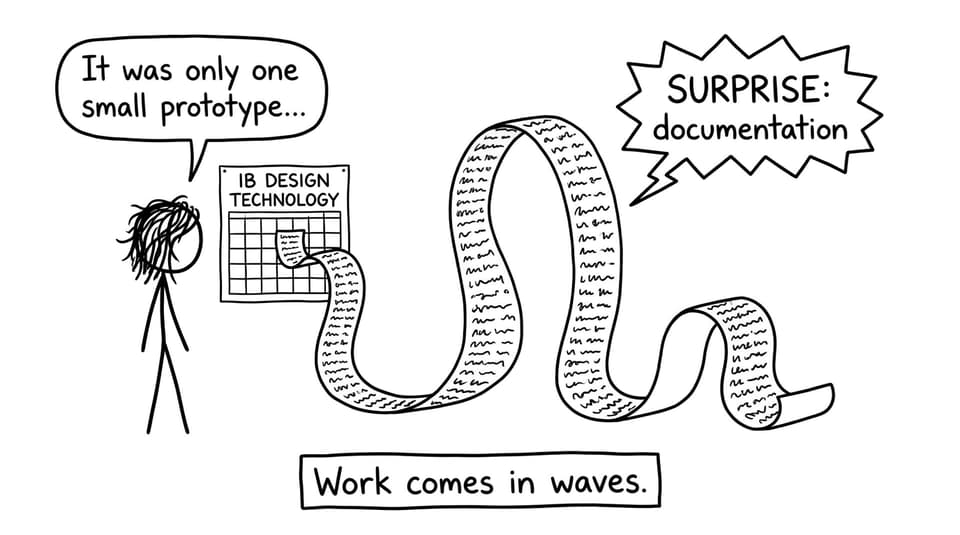
The real sources of time in IB Design Technology
Most of your time in IB Design Technology comes from two places:
-
The design project (your Internal Assessment)
-
Exam preparation (especially practicing application and evaluation)
That’s why DT can feel confusing. In content-heavy subjects, you can measure effort by pages covered. In IB Design Technology, effort is measured by decisions explained, iterations justified, and reflections supported with evidence.
If you want one central place to orient yourself, start with the IB Design Technology hub on RevisionDojo and work outward from there.
Why the IA is the biggest time factor
The design project is where IB Design Technology becomes “time-expensive.” Not because it’s impossible, but because it asks for sustained attention across months. You’re expected to:
-
Define a real, specific user problem
-
Research only what you will actually use
-
Turn research into measurable design requirements
-
Develop ideas, model, prototype, test, and iterate
-
Evaluate honestly using data
Students who touch the IA weekly usually find IB Design Technology manageable. Students who delay it often experience the same pattern: frantic catch-up, rushed testing, and a final document that looks busy but earns fewer marks than it should.
Two RevisionDojo reads can save you hours of wandering:
Why IB Design Technology feels more time-consuming than it is
A big part of the “DT time sink” is psychological. IB Design Technology is open-ended, and open-ended tasks invite overwork.
Common time traps include:
-
Perfecting layout, not improving reasoning
-
Redoing sections without changing the underlying evidence
-
Adding background research that never influences decisions
-
“Iteration theatre” (claiming iteration without showing what changed and why)
Here’s the harsh truth students learn late: much of that effort doesn’t increase marks.
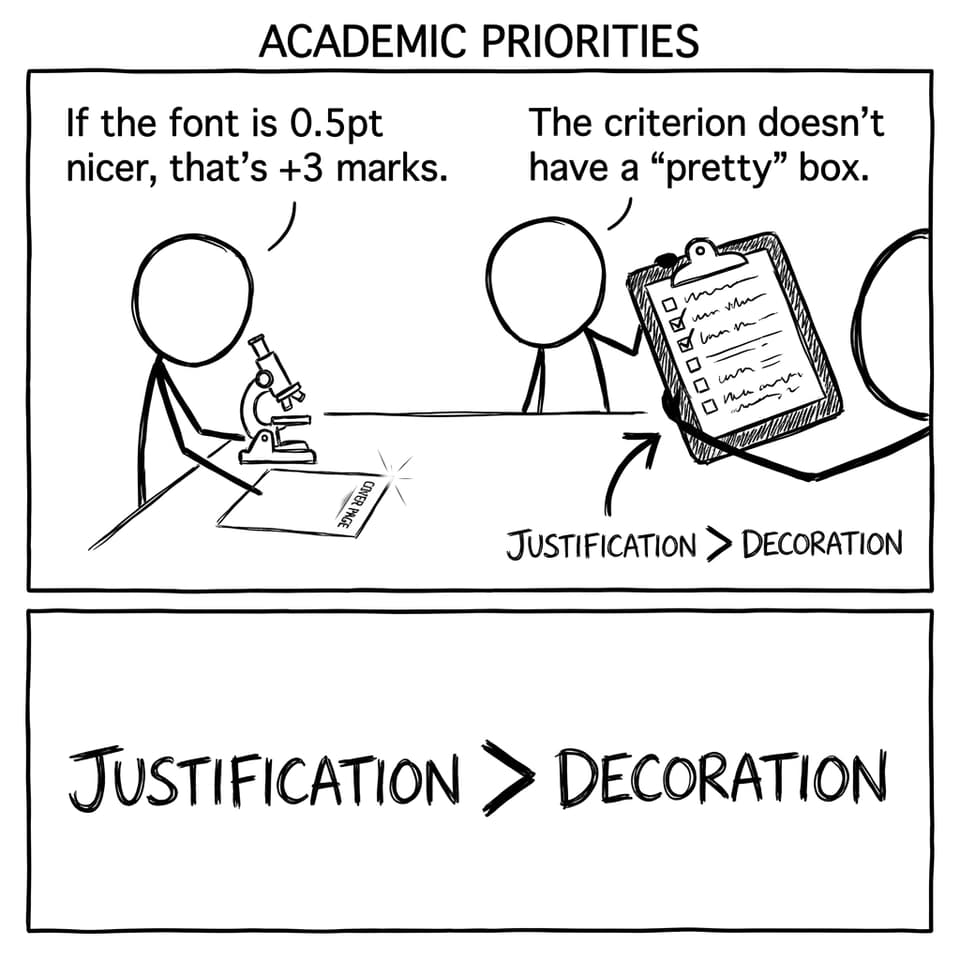
To stay efficient, anchor your work to criteria and evidence. If you’re unsure whether you’re doing useful research or just collecting facts, this guide is worth the time: How Much Research Do You Need in the IB Design Technology IA?
A realistic weekly time estimate (and why it changes)
Students always ask: “How many hours per week is IB Design Technology?”
A realistic answer:
-
Normal weeks: similar to other IB subjects if you do small, consistent work
-
IA-heavy weeks: more time temporarily, especially around prototyping and testing
The key difference is not total time across two years. It’s timing. IB Design Technology punishes “I’ll do it later” more than most subjects, because later usually arrives when you also have exams, other IAs, and life.
If you feel squeezed between coursework and revision, the most practical approach is to treat them as connected skills. This is the cleanest explanation of that balance: How Do You Balance the IA and Exams in IB Design Technology?
How to make IB Design Technology less time-consuming
If DT is eating your schedule, you don’t need motivation. You need a system.
Use this quick checklist
-
Choose a small, testable idea (complexity rarely equals marks)
-
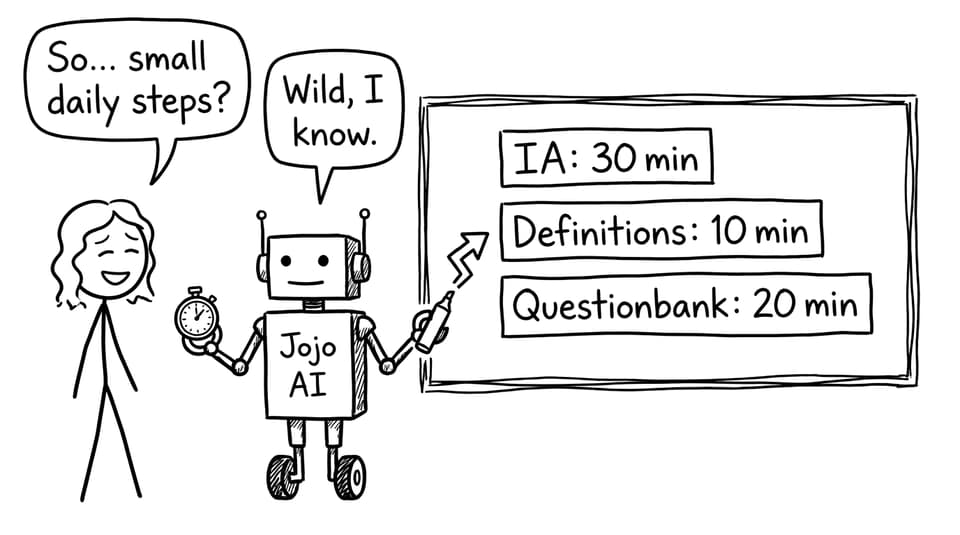
Do 30 minutes of IA progress weekly (minimum) so it stays “alive”
-
Prioritise justification and evaluation over presentation polish
-
Stop when you’ve met the assessment criteria, not when it looks “perfect”
-
Use exam practice early, so concepts become usable, not just familiar
RevisionDojo is built to make this system easier. You can practice with the Questionbank, drill key terms with Flashcards, and use AI Chat to turn vague explanations into markscheme-style reasoning. When you’re ready for exam realism, the IB Design Technology predicted papers help you practice under time pressure.
Common student profiles: who struggles and who thrives
Students who thrive in IB Design Technology tend to:
-
Plan early and accept “good enough” drafts
-
Ask for feedback before they’ve invested 20 hours
-
Document decisions as they happen (instead of reconstructing them later)
-
Treat evaluation as a skill, not an afterthought
Students who struggle often:
-
Procrastinate because tasks feel open-ended
-
Keep changing ideas without stronger justification
-
Confuse effort with evidence
If you suspect DT is hard for you in a specific way (not “I’m bad at it,” but “I’m unsure what’s expected”), read: Is IB Design Technology Hard?
Closing: make IB Design Technology predictable
IB Design Technology isn’t inherently time-consuming. It’s planning-sensitive. When you work in small increments, keep evidence tied to criteria, and avoid perfection traps, DT becomes one of the most controllable subjects in the Diploma.
If you want the simplest next step, start in the IB Design Technology hub, then build a routine around RevisionDojo’s Study Notes, Flashcards, Questionbank, AI Chat, Grading tools, Predicted Papers, Mock Exams, Coursework Library, and Tutors. The goal isn’t to work longer. It’s to make IB Design Technology work for you.