

The first time a teacher’s comments land like a punch, it rarely feels like “feedback.” It feels like a verdict.
In the IB, that moment can arrive fast: a blunt note in the margin, a low mark on a first attempt, a tone that sounds impatient when your child is already exhausted. If you’re a parent, you’re stuck between two instincts: protect your teen from the sting, and prepare them for the reality of IB exams.
This guide is built for IB students preparing for exams (and the parents supporting them). The goal isn’t to “win” against a harsh teacher. It’s to turn the situation into something useful: steadier confidence, clearer communication, and stronger performance.
Quick checklist: what to do this week (IB-friendly)
-
Listen for specifics: what was said, when, and how often.
-
Validate feelings without labeling the teacher as “bad.”
-
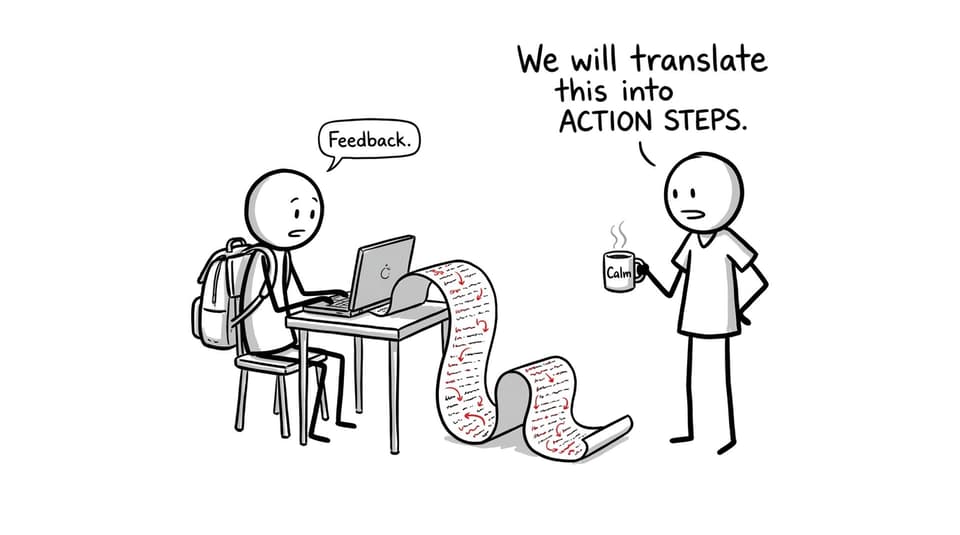
Translate feedback into next actions (one skill, one target, one deadline).
-
Coach your teen to speak to the teacher with one clear request.
-
Document patterns only if it’s repeated and personal.
-
Build a parallel feedback system with IB-style practice (so one teacher isn’t the only voice).
If your teen needs a structured study loop to regain control, pair this checklist with How to Study for IB Exams: Step-by-Step Guide.
Why “harsh” shows up so often in IB
The IB rewards precision. Teachers often mirror that reality, sometimes too sharply.
High standards can sound like low faith
In IB, a teacher might push because they can see the grade boundaries coming. What feels like “They hate my writing” may be “This won’t hit the criteria yet.” A useful parent move is to ask: Was the feedback about the work, the method, or the person?
The rubric is impersonal, but delivery isn’t
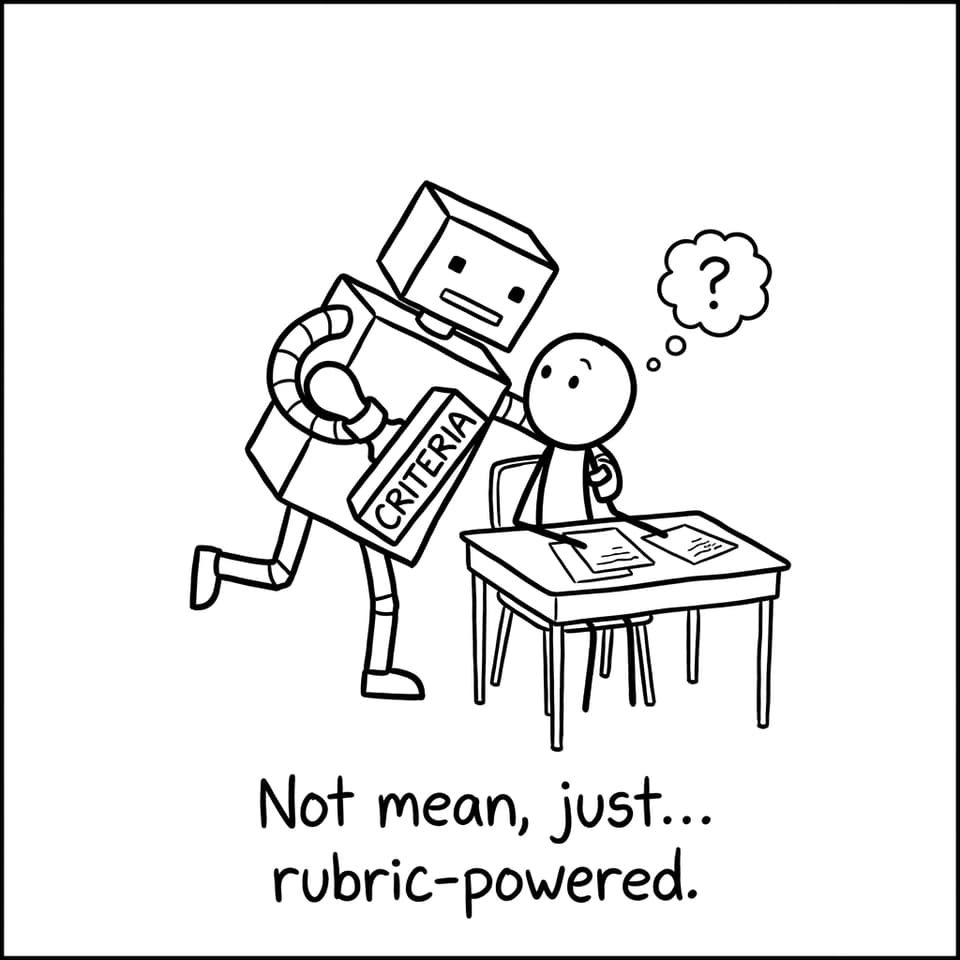
Some teachers deliver criteria-based feedback like a checklist read at full volume. If your teen doesn’t know what to do next, harshness grows in their head. That’s why it helps to practise with tools that explain the why, not just the score.
RevisionDojo is built for this: students can use Study Notes to rebuild understanding, then move into Questionbank practice to make the criteria feel predictable. Start here: Digital IB Study Notes: Access Anywhere, Anytime and Questionbank.
How to support your child without making it worse
Support in the IB is mostly about choosing the right role at the right time.
Listen like a detective, not a judge
Ask for the “scene” in detail:
-
What did the teacher say, word for word?
-
Was it public or private?
-
Was it about effort, ability, or a specific criterion?
You’re looking for clarity, not confirmation. When teens feel heard, their nervous system calms down enough to problem-solve.
Reframe feedback into a single controllable goal
Harsh feedback is overwhelming because it feels global: “I’m bad at this subject.” In IB, improvement is usually local: thesis clarity, data analysis steps, definitions, command terms.
A practical script:
- “If we could fix one part before the next task, what would matter most?”
Then use a tight practice loop: Study Notes for the concept, Flashcards for recall, then Questionbank for repetition. If motivation is low, this article helps: How to Stay Motivated During IB Revision.
Coach a calm conversation with the teacher
Your teen doesn’t need to “confront.” They need to request clarity.
Have them try one of these:
-
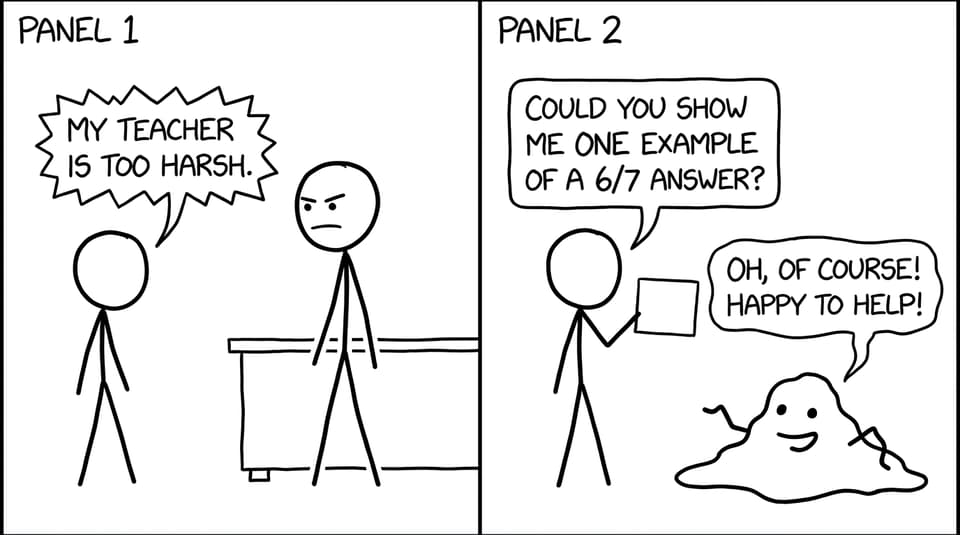
“Could you show me an example of what a 6/7 response looks like?”
-
“Which criterion is costing me the most marks right now?”
-
“What’s one change you’d want to see in my next submission?”
That language fits the IB world because it’s evidence-based and criteria-based.
Build a second source of feedback (so one teacher isn’t the whole story)
If your teen feels constantly judged, give them a different mirror.
RevisionDojo can become that mirror through:
-
AI Chat for quick explanations when a teacher’s help feels intimidating
-
Grading tools to practise written responses and learn what marks reward
-
Mock Exams and Predicted Papers to make feedback feel like training, not personal critique
-
Coursework Library to reduce background stress from IAs/EE/TOK
-
Tutors when confidence needs a human reset
To structure this, link them to RevisionDojo App: The Smarter Way to Prep for IB Exams and a practical methods guide like 10 Proven Study Techniques for IB Students.
What parents should avoid (especially close to IB exams)
Don’t make the teacher the villain
In the IB, your teen will meet many evaluators: teachers, moderators, examiners, sometimes tutors. If home becomes an anti-teacher echo chamber, your teen loses the skill of extracting value from imperfect delivery.
Don’t rush to “fix it” by emailing first
Let your teen try one respectful conversation. Stepping in too early can quietly tell them: “You can’t handle hard situations.” In IB exam prep, self-advocacy is a study skill.
Don’t confuse harshness with truth
A sharp tone doesn’t equal an accurate assessment of ability. Confidence comes back when your teen sees progress in data: better scores on timed sets, fewer repeated mistakes, clearer structure.
For a broader plan that reduces stress, see What's the Best Way to Revise for IB Exams? and IB Exams Without Pausing Your Life.
Closing: turn “harsh” into a quieter kind of strength
The IB has a way of making everything feel personal, even when it’s just criteria and time pressure. Your job isn’t to erase hard feedback. It’s to help your teen translate it.
Listen first. Name the emotion. Then turn the moment into a plan: one conversation, one skill target, and one cycle of practice. When your child sees progress in their own hands, a harsh teacher becomes less powerful.
If you want a calm, reliable second voice for IB exam prep, build that system on RevisionDojo: Study Notes, Flashcards, Questionbank, AI Chat, Grading tools, Predicted Papers, Mock Exams, Coursework Library, and Tutors -- all designed to make improvement feel inevitable, not personal.