



If you have ever watched a lab group argue over who gets the measuring cylinder, you already understand the hidden curriculum of Group 4: science is collaborative, messy, and surprisingly human.
In the IB, the Group 4 project (now commonly called the collaborative science project) is where that reality becomes the point. You are not trying to produce a flawless experiment. You are learning how to think across disciplines, work with other scientists, and communicate clearly under time pressure, which is basically the same skill set you need when exams get close and everything feels like a deadline.
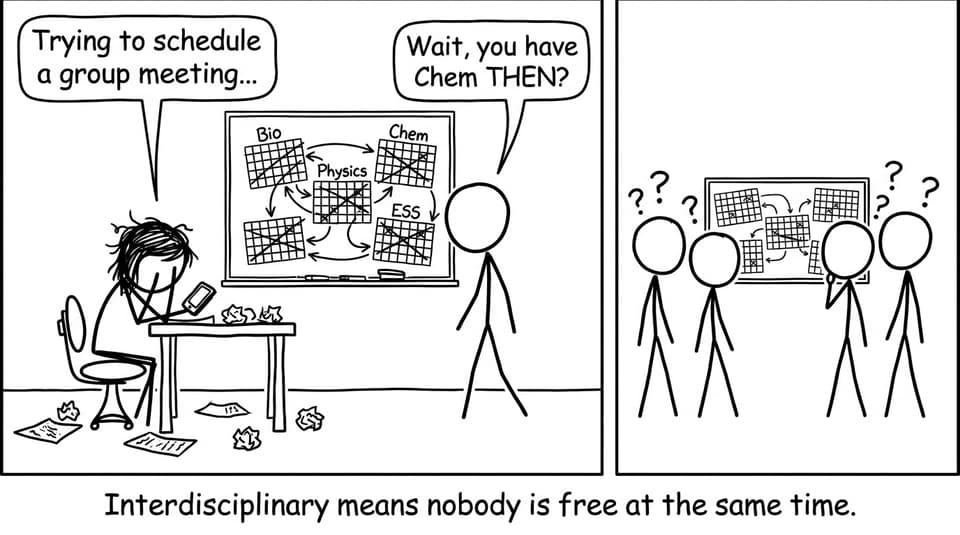
What is the Group 4 (collaborative science) project?
The Group 4 project is an interdisciplinary activity in the IB Diploma Programme that brings together students from different science subjects (for example Biology, Chemistry, Physics, ESS, and others offered at your school). Many schools still call it the Group 4 Science Project, while IB guidance increasingly refers to it as the collaborative science project, so you should recognise both names.
The core idea is simple: you explore a shared scientific theme together, using methods and perspectives from more than one science. The emphasis is on collaboration, planning, investigation, and reflection.
If you want a longer official-style breakdown, see RevisionDojo’s guide: What is the Group 4 Science Project.
A quick checklist before you start Group 4
Use this as your pre-flight check for Group 4:
-
Choose a theme that genuinely connects disciplines (environment, energy, health, materials, systems)
-
Agree on a single focused question or problem to investigate
-
Assign roles (data lead, equipment lead, safety lead, presentation lead)
-
Plan evidence (what data will you collect, and how?)
-
Decide how you will present (poster, slides, demo, short report)
-
Schedule two short check-ins instead of one long meeting
-
Write reflection notes while it is happening, not after
If your group is stuck at the “can we even pick our own topic?” stage, this helps: IB Group 4 Project: Can You Choose Your Own Topic?.
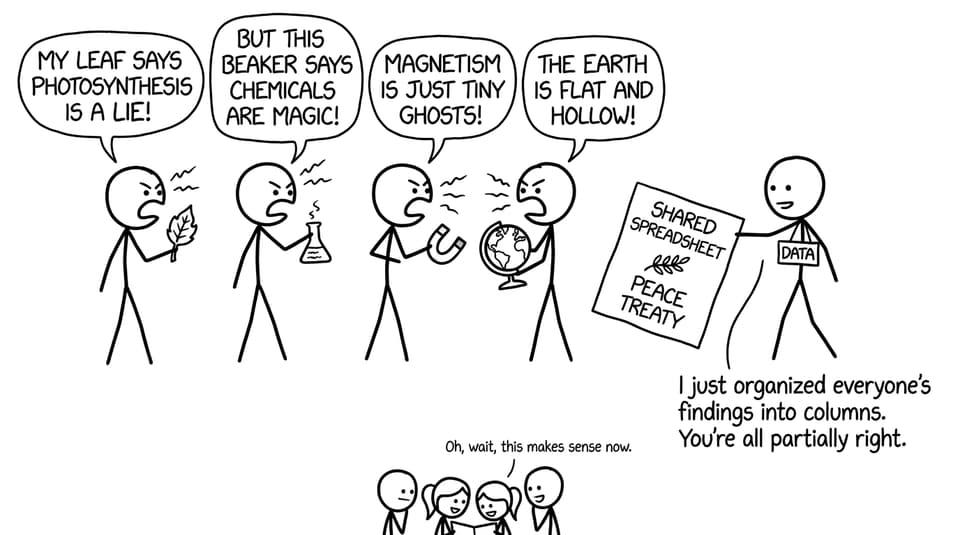
Why Group 4 matters (even if it is not graded)
Here is the paradox of Group 4: in many schools it does not directly add points to your final science grade, yet it still matters.
First, it builds the habits that make Internal Assessments and practical exam thinking easier: designing a method, controlling variables, processing data, and evaluating limitations. Second, it forces you to practice scientific communication: explaining results to someone who does not share your subject background.
Also, it is one of the few IB science moments where the “IB learner profile” stuff feels real: your calmness under disagreement, your ability to share credit, and your willingness to change your mind when the data says so.
For the details on weighting, read: What Is the Weighting of the Group 4 Project in the Final IB Score.
The three phases of a strong Group 4 project
Most successful Group 4 (collaborative science project) experiences follow a rhythm.
Planning phase: make decisions that reduce chaos
Planning is where you prevent the classic problems: vague questions, impossible methods, and unequal workloads.
A good plan includes:
-
A clearly stated aim (one sentence)
-
A method that can be done with your school’s time and equipment
-
A shared definition of “done” (what counts as evidence?)
-
Roles that match people’s strengths (and rotate if needed)
If your group dynamic is the bigger challenge, this practical guide is worth it: IB Group 4 Project Collaboration: How to Work Effectively With Peers.
Action phase: collect data like you will need to defend it
During the action stage, treat your data like future-you will be cross-examined.
That means:
-
Repeat trials when possible
-
Record conditions (temperature, time, concentrations, apparatus details)
-
Take photos of setups if your teacher allows
-
Save raw data in one shared document (with clear units)
A quick honesty note: it is normal for results to be messy. The difference between a weak Group 4 project and a strong one is not perfect data; it is whether you can explain what went wrong and what you would improve.
Evaluation phase: reflect like a scientist, not like a diary
Reflection is often the most rushed part of Group 4, and it shows.
Try to evaluate:
-
How well did you integrate disciplines (not just split tasks)?
-
What limitations mattered most, and why?
-
What would you change if you repeated it?
-
How did the collaboration affect the outcome?
How to make Group 4 help your exam prep
The best students quietly use Group 4 as a training ground for exams.
-
Turn your project theme into targeted revision: use RevisionDojo’s Questionbank to practice the exact topic areas you touched (data processing, experimental design, topic content).
-
Convert recurring mistakes into spaced repetition: build quick decks in RevisionDojo Flashcards (especially definitions, uncertainties, control variables).
-
Use Study Notes to patch knowledge gaps fast: start from a subject hub like IB Biology Resources and follow the topics you keep referencing in your project.
-
If your project overlaps with IA thinking, check collaboration boundaries so you stay academically safe: IB IA and EE Collaboration Rules: What’s Allowed and What’s Not.
And if you need a quick burst of inspiration, skim: IB Science Group 4 Project Ideas That Will Impress Your Teachers.
Closing: make Group 4 your calm practice run
The quiet value of Group 4 is that it teaches you how to do science when conditions are not ideal: imperfect time, imperfect data, imperfect teamwork. That is also what exam season feels like.
Use the Group 4 collaborative science project to build a system you can reuse: plan clearly, collect defensible data, evaluate honestly, and communicate simply. Then carry that momentum into RevisionDojo, revise the underlying content with Study Notes, pressure-test your understanding in the Questionbank, and tighten your explanations with AI Chat and grading tools. Your project ends in a presentation, but the skills you gain can keep paying you back all the way to your final papers.