

The question every tired lab partner asks
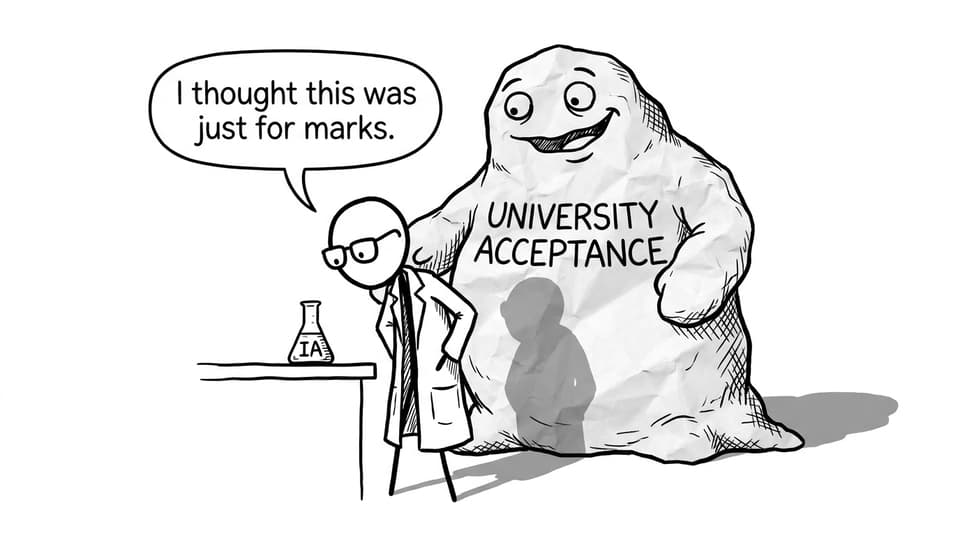
You know the moment: it’s 5:17 pm, your goggles are fogging up, and you’re rewriting a results table because someone wrote “kinda blue.” You look at the clock and think, Is any of this actually helping my university application?
For IB Sciences, lab work can feel like a detour from “real” studying. But universities don’t only want students who can memorize content. They want students who can handle messy evidence, uncertainty, and explanations that hold up when the data is imperfect. That’s exactly what lab work trains.
Quick checklist: when labs matter most
If you do IB Sciences, labs are “necessary” in a practical sense when they affect:
-
Your Internal Assessment (IA) quality and score (part of the final grade)
-
Your teacher’s evidence for predicted grades
-
Your readiness for first-year university lab expectations
To understand how your points and components fit together, it helps to revisit how the system is scored: How IB points work (simple guide).
What universities actually see (and what they don’t)
Universities usually won’t read your actual lab reports. They typically see your transcript, predicted grades, and later your final results. So the lab’s impact is indirect, but still real.
Here’s the key: IB Sciences labs feed the IA, and the IA feeds the grade. And grades are the language admissions teams speak fluently.
If you want a broader view of why IB is valued in admissions, this is worth reading: Why universities prefer IB.
Labs and predicted grades: the quiet lever in admissions
Predicted grades aren’t just vibes. Teachers build them from repeated evidence: coursework progress, assessments, and often your IA trajectory. Strong practical work matters because it shows consistent skill, not a one-off test performance.
If you’re trying to understand the process (or improve your numbers), start here: Inside the IB predicted grade process and then follow with How to improve your predicted grades in IB.
The skills labs build that universities reward
In IB Sciences, labs are basically training for how STEM thinking works when no one hands you the answer.
Designing investigations
You learn to control variables, choose measurements, and make trade-offs. This maps directly onto the mindset behind good university practicals.
Processing and evaluating data
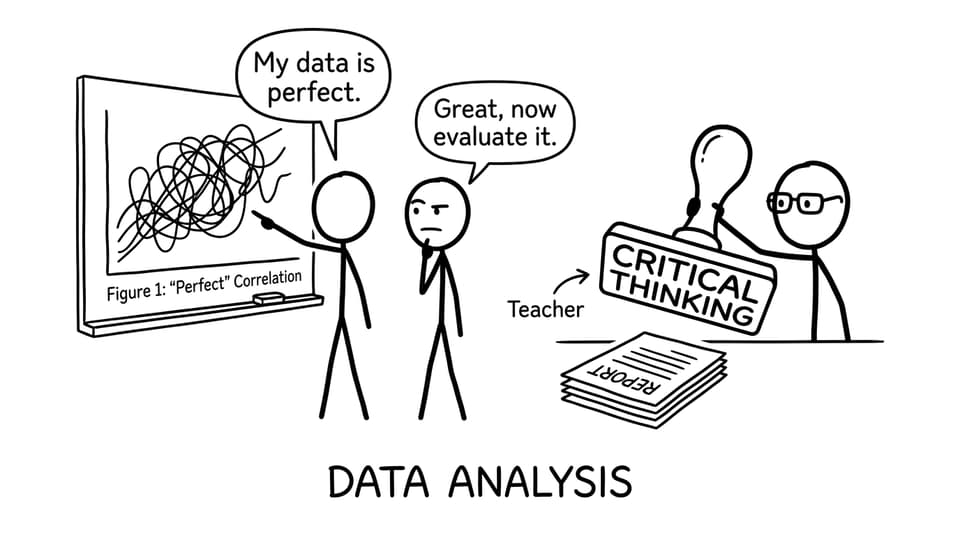
A lab isn’t “done” when you get results. It’s done when you can justify them. This is why evaluation is often the mark-maker in IAs.
Communicating with precision
A university lab report is mostly clear thinking on paper. IB labs teach you to write like your reader is skeptical (because the examiner is).
If you’re doing Biology, compare your work to high-scoring expectations using IB Biology IA: 8 essential tips to score a 7 and the Sample IB Biology IA walkthrough.
How to make lab work pay off during exam season
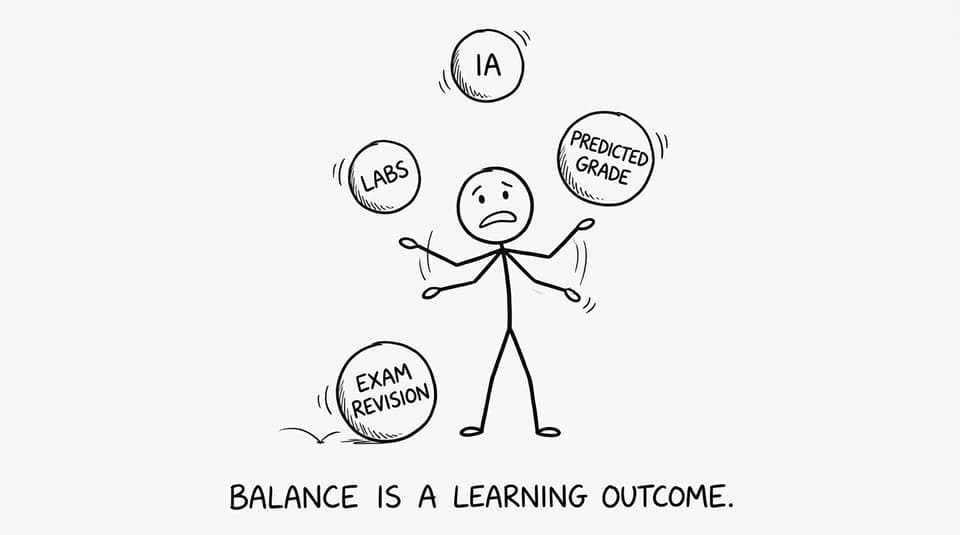
Lab time shouldn’t steal from exam prep. It should support it.
-
Use labs to generate IA ideas early with the IB Biology Internal Assessment Guide.
-
When your method gets messy, open exemplars in the Biology IA Coursework Library to see what “good” looks like.
-
After each practical, convert mistakes into quick revision: definitions and common errors into Flashcards, question styles into Questionbank drills, and confusing steps into AI Chat prompts.
Conclusion: labs aren’t paperwork, they’re proof
Are labs “necessary” for university applications? Not because an admissions officer is waiting to read your titration table. But because IB Sciences labs quietly shape the two things that matter most: your grades and your readiness.
If you want labs to stop feeling like random suffering, use RevisionDojo as your system: Coursework Library for exemplars, Grading tools for criterion-level improvement, AI Chat for clarity, and Flashcards + Questionbank + Predicted Papers + Mock Exams to turn lab thinking into exam performance. Your future self will thank you for treating practical work like preparation, not distraction.