


Your Group 4 project usually starts the same way: someone suggests a topic so big it sounds like a documentary series, and the room goes quiet. But the projects that actually impress teachers in IB Sciences rarely win through complexity. They win because they ask a real question, collect usable evidence, and show a team that thinks like scientists.
This is your guide to Group 4 (also called the collaborative science project): practical IB Sciences ideas with real examples, plus a simple structure you can follow even when exams are close.
A fast checklist for an impressive IB Sciences Group 4
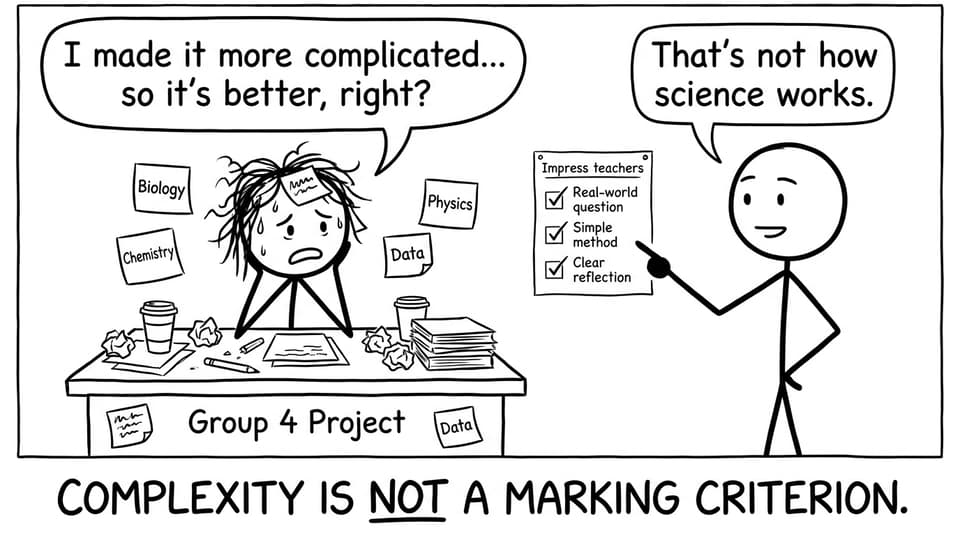
Before you brainstorm for an hour, pressure-test your plan:
-
Is the question interdisciplinary (at least two sciences)?
-
Can you complete it in about 10 hours (planning, action, evaluation)? See Group 4 Project Requirements.
-
Do you have something you can measure (numbers, categories, clear observations)?
-
Can every teammate contribute a science perspective (not just “helping”)?
-
Can you explain your result in one sentence?
If you need a clear overview of what the project is meant to train, read What is the Group 4 Science Project?.
IB Sciences Group 4 project ideas (with real examples)
Below are teacher-friendly topics that feel “high level” because they connect disciplines, not because they require expensive equipment.
Biodegradable plastics that you can actually test
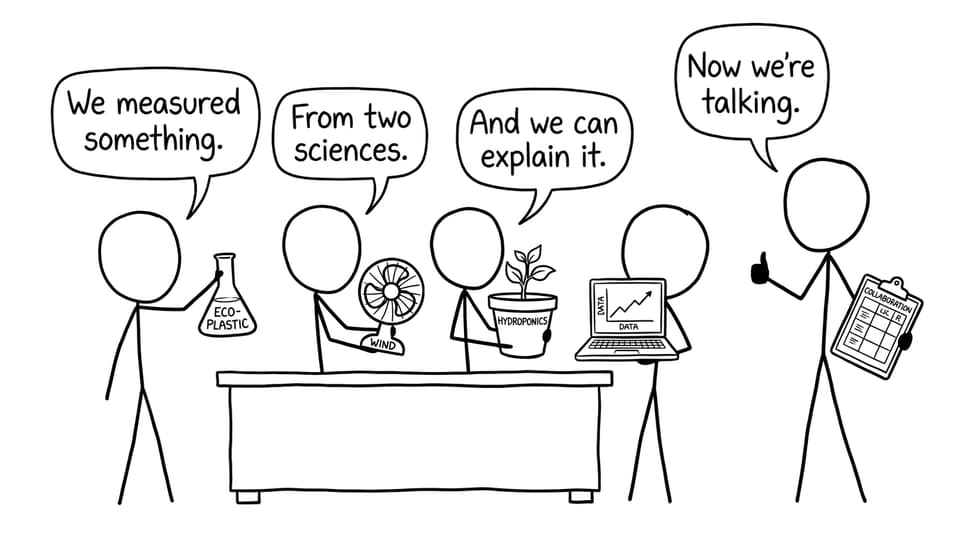
Real example: Make a simple bioplastic (banana peel starch, cornstarch, glycerol), then test tensile strength (Physics), polymer reasoning (Chemistry), and decomposition/microbial action (Biology).
What to measure: mass change over time, stretch length before snapping, water absorption, or decomposition rate in different conditions.
Indoor air quality vs. cognitive performance
Real example: Compare CO₂ levels or ventilation conditions (ESS/Physics) with short reaction-time or memory tasks (Biology) while controlling for time of day.
What to measure: CO₂ ppm (or a proxy like room occupancy + ventilation rate), reaction-time averages, error rates.
Natural vs. synthetic disinfectants (the “why” matters)
Real example: Test garlic extract, vinegar, and a standard disinfectant on bacterial growth (Biology) while explaining concentration, pH, and active ingredients (Chemistry).
What to measure: zones of inhibition, colony counts, or percent reduction.
Hydroponics: nutrient solutions and plant growth
Real example: Compare different nutrient concentrations (Chemistry), monitor growth rate and leaf health (Biology), and discuss diffusion/osmosis and limiting factors (Biology/Physics).
What to measure: plant height, leaf count, biomass, or chlorophyll proxy measurements.
What teachers notice (and what they quietly mark down)
Teachers tend to reward what looks like scientific maturity in IB Sciences:
-
A tight research aim instead of a vague theme
-
Controls and fair testing (or honest limitations)
-
Clean data displays with units and trends
-
A reflection that shows real teamwork, not a summary
If you want to avoid the classic traps (too broad, too descriptive, weak method), skim Troubleshooting Common Mistakes in IB Internal Assessments and Common Pitfalls in IAs (and How to Avoid Them). The same mistakes show up in Group 4, just faster.
Presentation moves that make your IB Sciences project look sharper
Your communication should feel like a lab meeting, not a poster sale.
-
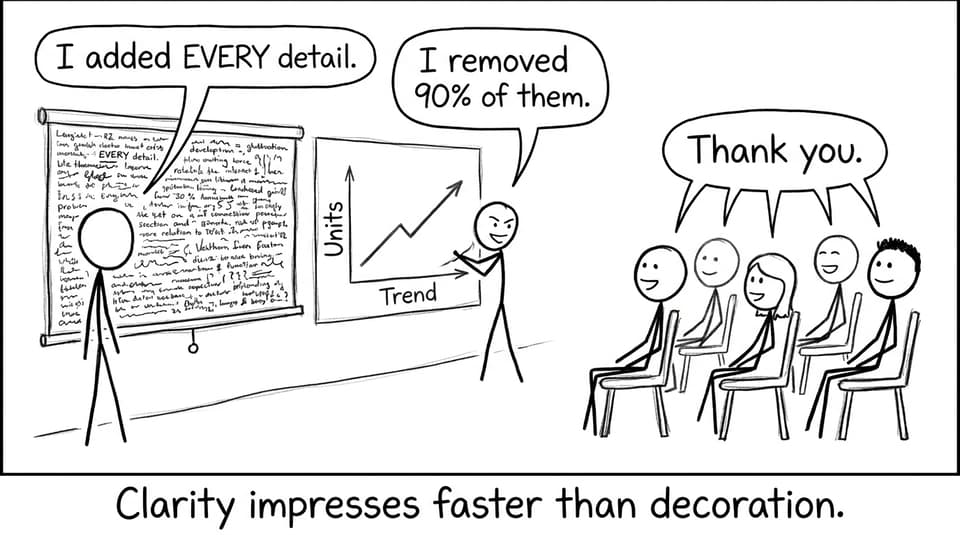
Put your question at the top of every slide.
-
Use one clear graph per result, with units.
-
Show one photo of your setup and label the variables.
-
Give each science a “moment” (Bio insight, Chem explanation, Physics/ESS modelling).
If your team is struggling to coordinate roles and deadlines, IB Group 4 Project Collaboration is a useful reset. For keeping the project from eating your exam revision, borrow a structure from The Realistic Daily Routine for a Balanced IB Life.
FAQ: IB Sciences Group 4 project questions
Do we need a “hard” experiment to impress teachers in IB Sciences?
Not really, and forcing difficulty often backfires. Teachers can tell when a method is fragile and the data will be messy. In IB Sciences, impressing teachers usually means choosing a question you can answer with reliable measurements and a clear explanation. A simple design with repeated trials and thoughtful controls looks more scientific than a complicated setup with one unusable data table. If you are unsure what the project expects overall, align your plan with Group 4 Project Requirements. The goal is good inquiry and collaboration, not maximum technical drama.
Can we reuse an IA-style idea for the Group 4 project?
Yes, as long as it becomes truly interdisciplinary and collaborative. A good rule is: if one subject could do the whole thing alone, it is not really a Group 4 investigation yet. In IB Sciences, the strongest teams take an IA-like core and add another science lens (for example, adding a Physics measurement model to a Biology growth study). Make sure each teammate has a real role tied to variables, analysis, or interpretation. Also, avoid copying an IA structure word-for-word; Group 4 should feel like shared problem-solving. If you want to reduce the risk of common drafting mistakes, review Common Pitfalls in IAs and adapt the best habits.
If Group 4 is not heavily weighted, why should IB Sciences students take it seriously?
Because it trains the skills that show up everywhere else: planning, clarity, and scientific communication under time pressure. Even when the project itself is not counted like an exam component, it still shapes how confidently you handle investigations and evaluation later. In IB Sciences, that confidence matters when you are writing explanations, interpreting graphs, and making justified conclusions. It is also a low-risk place to practice teamwork and reflection, which teachers notice in class and in recommendation letters. For a calm explanation of why it still matters, read Is the Group 4 Project Important?. Treat it like training, and it pays you back during exam season.
Bring it home with RevisionDojo
An impressive Group 4 project is a small story about how scientists think: one focused question, one workable method, one honest conclusion. Do that, and your IB Sciences teachers will see the difference.
When you are ready to turn that same clarity into exam performance, RevisionDojo helps you build the routine: targeted practice in the Questionbank, quick recall with Flashcards, tight explanations in Study Notes, and stress-saving support from AI Chat. Add Predicted Papers, Mock Exams, and Grading tools when you want realistic feedback loops, and use the Coursework Library and Tutors when you need examples and human guidance.
If you want more ideas and support across IB Sciences, browse All IB Sciences posts and keep your next project simple, measurable, and sharply explained.