


In the first 10 minutes of a Group 4 project meeting, something predictable happens.
Someone suggests a brilliant idea (microplastics! renewable energy! air quality!). Another person worries it’s “not interdisciplinary enough.” A third asks the question everyone is thinking: Do we actually get to choose our own topic?
Yes, often you do. But the real answer is more useful than a simple yes/no. Your options depend on how your school structures Group 4, what your teacher must document, and how well your group can turn curiosity into a plan that fits the clock.
What the Group 4 project is (and what it isn’t)
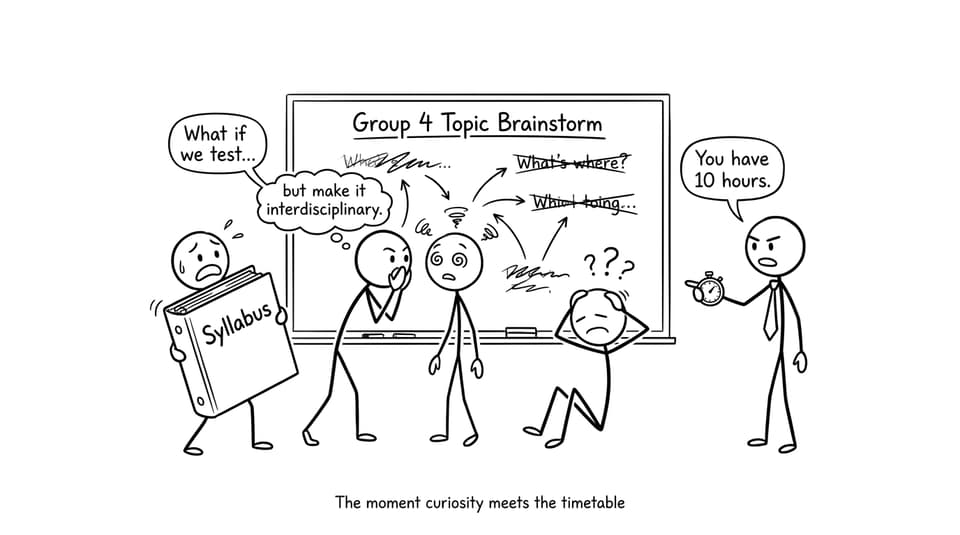
The Group 4 project (often called the collaborative science project) is designed to make you work like real scientists: different disciplines, one shared problem, and lots of negotiating. It typically runs around 8-10 hours of class time in many schools.
It is not meant to be a perfect mini-IA. The point is the process: planning together, investigating together, and reflecting on how science connects across subjects.
If you want the clearest overview, use What is the Group 4 Science Project and keep it open while your group decides what to do.
Can you choose your own Group 4 topic?
In most schools, Group 4 topic choice works like this:
-
Your teacher sets the boundaries (theme, resources, safety rules, time limits).
-
Your group proposes and refines a topic inside those boundaries.
-
The final topic is usually a negotiation, not a solo decision.
Sometimes schools give everyone one umbrella theme (like “systems” or “sustainability”). Sometimes they offer a short list of approved prompts. And sometimes they let groups brainstorm freely, then approve what’s feasible.
To avoid wasting your best ideas on something that won’t be approved, scan What are the Group 4 Project Requirements before you fall in love with a plan.
A quick checklist for picking a workable Group 4 topic
Use this filter in your first meeting. A strong Group 4 topic is:
-
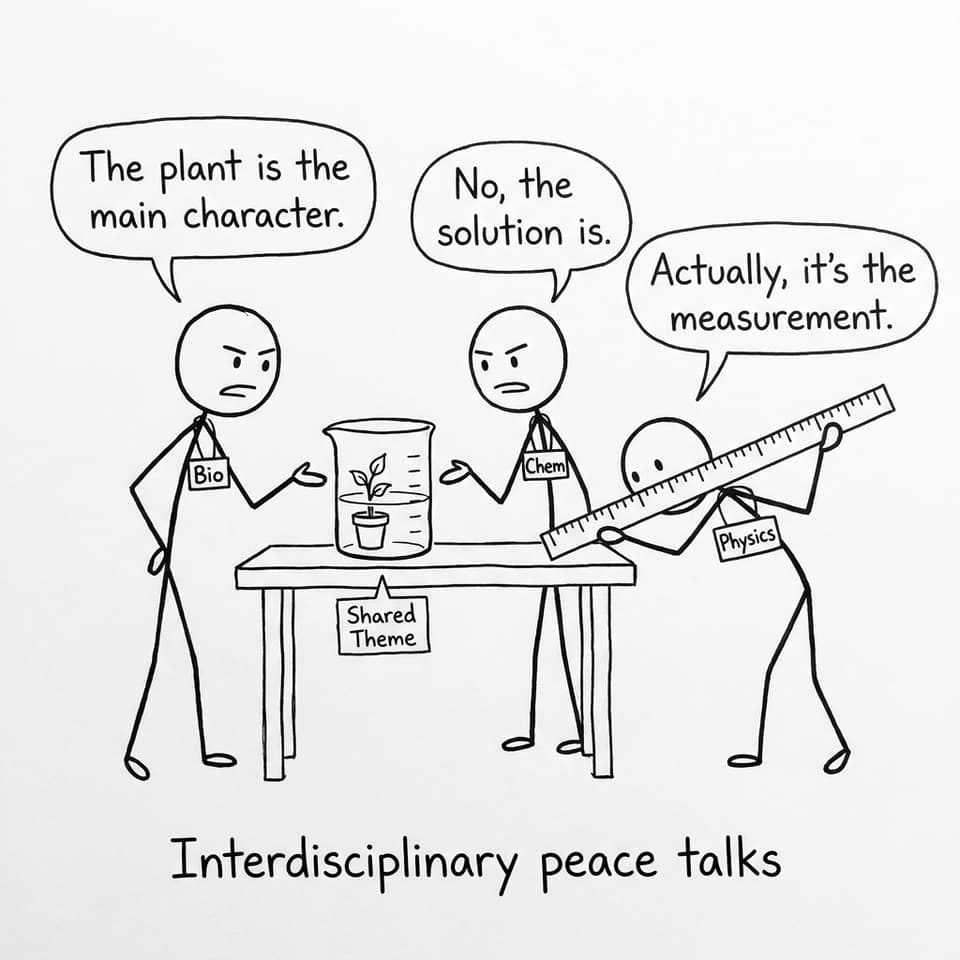
Interdisciplinary by design (at least two sciences have real roles)
-
Testable or investigable with school-level methods
-
Small enough to finish within the session time
-
Shared fairly (everyone has something meaningful to do)
-
Easy to reflect on (trade-offs, limitations, collaboration lessons)
If you need idea fuel, borrow structures from IA thinking: How to Choose the Perfect IA Topic for IB Students. The same “feasible + focused + analyzable” logic applies.
What you can do if your first choice gets rejected
This is where many Group 4 groups lose time: they argue for the original idea instead of adapting it.
Try these “save the project” moves:
Shrink the scope, not the ambition
Keep the same theme, but reduce variables, locations, or materials. “Air quality and productivity” becomes “CO2 levels in two classrooms vs. self-reported focus.”
Shift from experiment to investigation
If equipment is limited, you can still do a structured investigation: modelling, secondary data analysis, or a controlled comparison using accessible measurements.
Ask for constraints early
Instead of “Can we do this?”, ask “What topics are easiest to approve at our school?” Teachers often answer with the exact limits you needed on day one.
For topic examples that teachers tend to like, see IB Science Group 4 Project: Ideas That Will Impress Your Teachers.
Does the Group 4 topic affect your grade?
For many students, this is the stress trigger. You assume a more complex topic means a better outcome.
But Group 4 success is driven far more by planning, collaboration, and reflection than by choosing the flashiest question. In fact, a simpler project often creates better discussion because you have time to notice limitations and make thoughtful improvements.
If you want clarity on how much this affects final scoring, read Group 4 Project Weighting in the Final IB Score.
How to run Group 4 without it wrecking exam prep
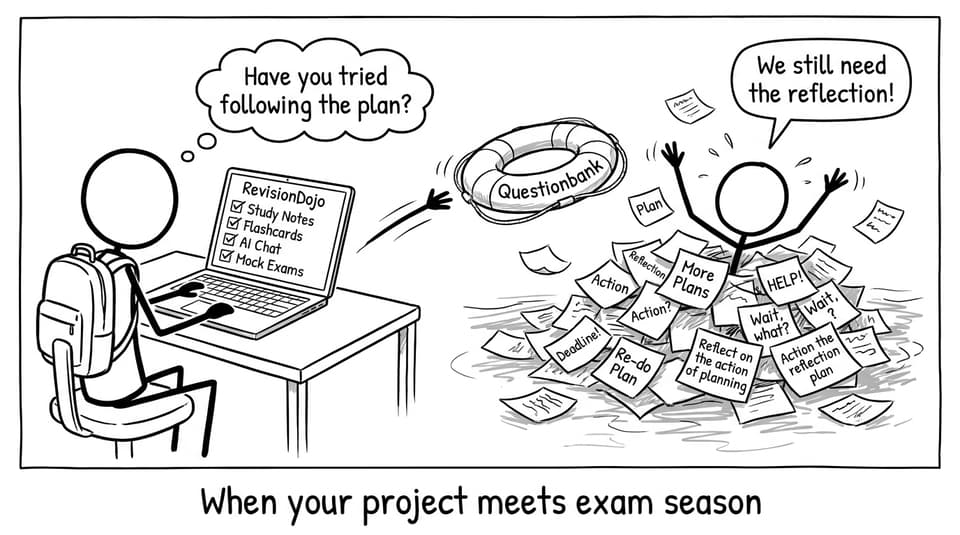
The hidden challenge is timing: Group 4 often lands when IAs and exams already feel loud.
Two practical supports:
-
Build a realistic weekly rhythm using Best Study Schedule for IB Group 4 Sciences.
-
Keep your calendar sane with Time Management in IB: Tools and Techniques That Actually Work.
This is also where RevisionDojo becomes more than “a website.” When your group is stuck, you can use AI Chat to pressure-test your plan, Study Notes to quickly align science concepts, and Flashcards to keep your personal exam memory fresh while the project runs. Then switch to the Questionbank, Mock Exams, Grading tools, and Predicted Papers as exam season tightens, without losing momentum on coursework. If you’re juggling multiple deadlines, the IB IA Guides hub and the guide to balancing IAs with exams help you keep priorities clear.
FAQ: Group 4 topic choice, rules, and best moves
Are we allowed to pick different topics for each science in Group 4?
Sometimes, but it depends on how your school interprets the collaborative science model. Many teachers prefer one shared theme because it makes the interdisciplinary links more obvious and easier to document. If you split into separate mini-projects, you risk turning Group 4 into parallel solo tasks with a shared slideshow. A better approach is one central question, with sub-questions that different sciences can own. For example, “indoor air quality” can include Biology (respiration and health), Chemistry (pollutants), Physics (ventilation and airflow), and ESS (human impact). When in doubt, ask your teacher what they consider “collaboration” in practice, not just in theory.
If our teacher gives a theme, do we still get topic choice?
Yes, usually you still have real choice inside the theme. A theme is a boundary, not a finished plan. In Group 4, that boundary can actually help you, because it reduces decision overload and speeds up approval. Treat the theme like a map: it tells you where you’re allowed to explore, but you still choose the route. Your strongest move is to propose 2-3 topic options that clearly fit the theme and the time limit. That way you stay flexible without losing momentum.
How do we choose a topic that won’t cause group drama?
Start by designing fairness into the topic, not hoping it appears later. Before you commit, assign roles and outputs: who collects what data, who leads analysis, who owns the reflection summary, and who builds the final communication piece. Then choose a Group 4 topic that naturally requires those roles, so nobody becomes “the slide decorator.” Keep the scope small, because big scope multiplies coordination problems. Finally, build a quick weekly check-in habit, even if the project is short, so misunderstandings surface early. If you need a structure that prevents last-minute chaos, borrow routines from Ultimate Daily IB Study Schedule (Low Stress, High Marks).
Conclusion: You can choose your Group 4 topic; choose wisely
Most IB students do get meaningful choice in Group 4, especially once you understand the constraints your school is working within. The best topic is rarely the most complicated one. It’s the one your team can finish calmly, explain clearly, and reflect on honestly.
If you want your Group 4 project to feel organized (instead of chaotic), use RevisionDojo to keep everything connected: quick concept refreshers in Study Notes, retention with Flashcards, confidence checks in the Questionbank, and exam readiness through Mock Exams, Predicted Papers, and Grading tools. When you need human guidance, the Tutors and Coursework Library can keep your momentum steady right through exam season.