A calm truth about IB Theatre
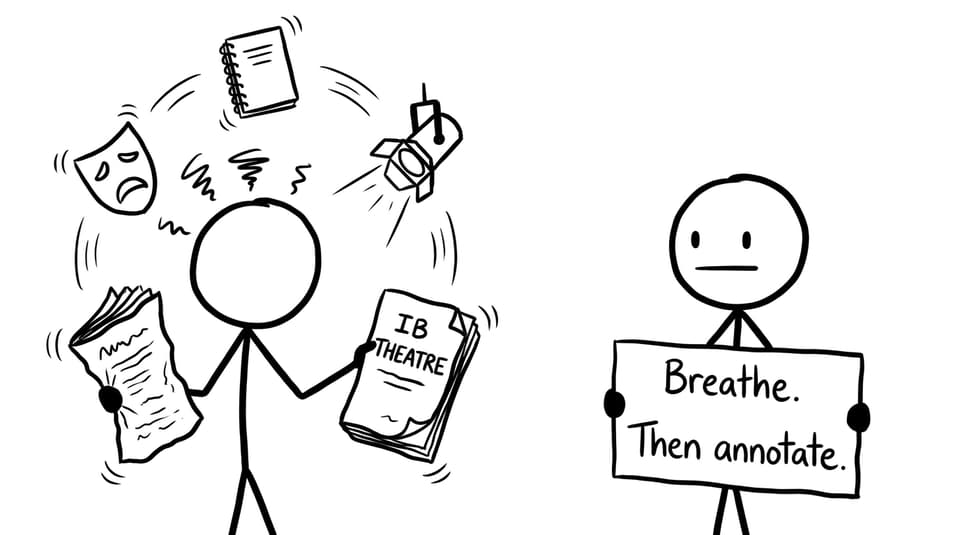
The first time most students realise IB Theatre is not “just acting” is usually the same week they are asked to rehearse, research a world tradition, and write a reflection that sounds like a mini-academic paper.
That moment can feel unfair. But it’s also the point of IB Theatre: you learn to think like a theatre-maker, not just perform like one. This syllabus overview breaks the course into its moving parts so you can revise with intention, not panic.
IB Theatre at a glance: your revision checklist
Before you dive deeper, use this IB Theatre checklist to stay exam-ready:
-
Know the four syllabus areas and what skills each builds
-
Track each assessment’s purpose (research, process, performance, reflection)
-
Collect evidence weekly (rehearsal notes, experiments, feedback, photos)
-
Practise writing reflection that links choices to intention and audience impact
-
Use one system for revision: notes, flashcards, and targeted questions
RevisionDojo helps here with Study Notes, Flashcards, and an exam-focused Questionbank you can use to quiz context, practitioners, conventions, and terminology.
The four syllabus areas (and how they connect)
The IB Theatre syllabus is built around four strands. They overlap on purpose, like rehearsal processes that keep returning to the same scene with deeper choices each time.
Theatre in context
This is where IB Theatre becomes global. You study theatre traditions and practices across cultures and time periods, then ask: What shaped this work? What shaped the audience? Context means history, politics, ritual, language, space, and social purpose.
If you’re preparing a Research Presentation, you’ll want a clean method for context, conventions, and respectful interpretation. This guide helps: How to Prepare for the IB Theatre Research Presentation.
Theatre processes
Processes are the “lab” side of IB Theatre. You test performance techniques, staging ideas, design choices, directing approaches, and ensemble decision-making. The key word is experiment. Examiners reward evidence that you tried, evaluated, adapted, and tried again.
If you need a structured way to practise, use: Best Study Strategies for IB Theatre Students (SL & HL).
Presenting theatre
Presenting is the moment ideas become watchable. In IB Theatre, it’s not only acting. It’s also directing, dramaturgy, stage management, lighting, sound, costume, and multimedia. Your job is to communicate meaning clearly to an audience.
Want a practical roadmap for scripted work? Read: How to Approach Staging Play Texts in IB Theatre Coursework.
Theatre in performance
Performance is both outcome and evidence. You create, present, and then reflect on what happened and why. The best IB Theatre students treat reflection like a skill: specific, honest, and connected to intention.
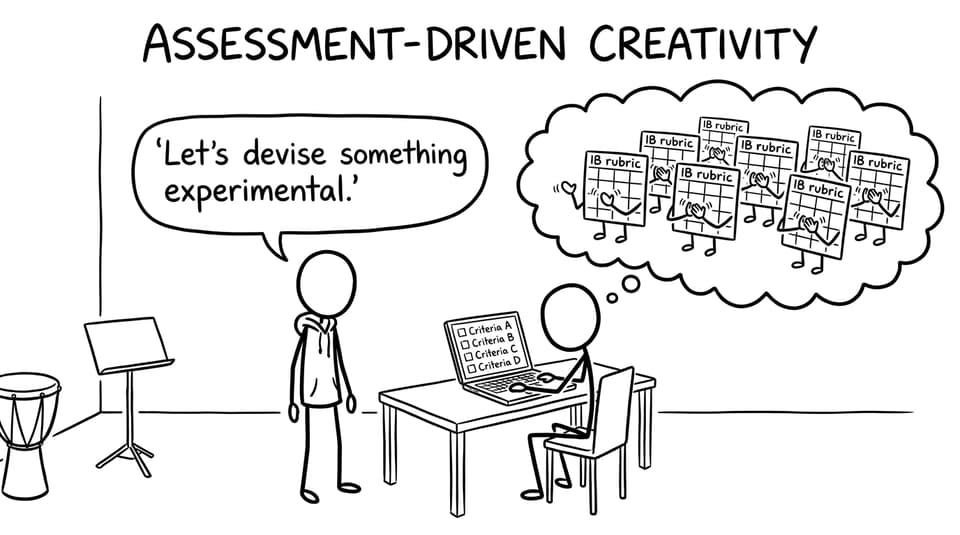
How assessment works (what you’re really being marked on)
The IB Theatre course assesses both practical and academic thinking. Across tasks, the pattern is consistent:
-
Research informs choices
-
Choices become experiments in rehearsal
-
Experiments become performance and production decisions
-
Decisions become reflection with clear justification
If you’re aiming high, it helps to zoom out and see how everything fits together. Use: How to Score a Level 7 in IB Theatre: Complete Guide.
Higher Level students also face the Solo Theatre Piece, where theory becomes a living performance. This is demanding but very scoreable with planning: How to Approach the IB Theatre Solo Theatre Piece (HL Only).
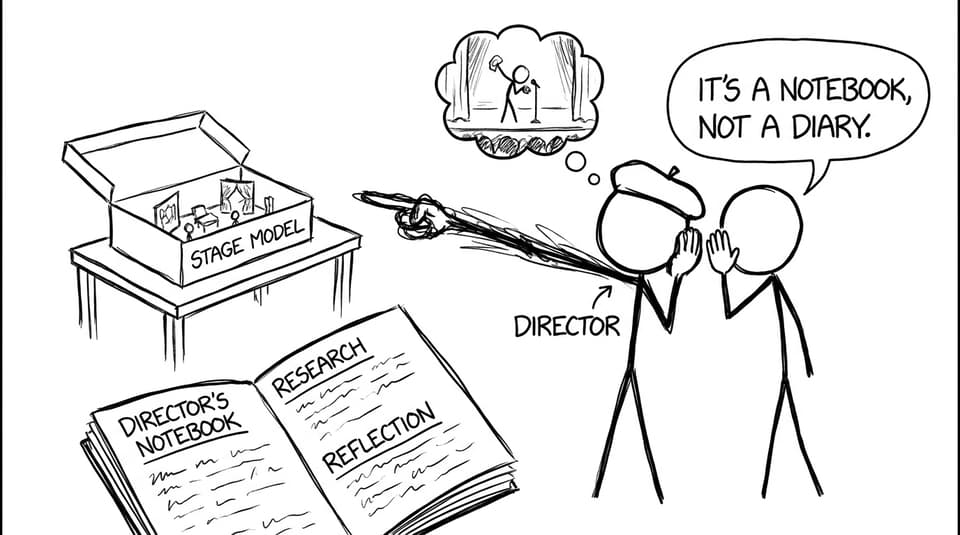
The quickest way to improve: document like a professional
Most students don’t lose marks in IB Theatre because their ideas are weak. They lose marks because their evidence is thin.
Try this weekly rhythm:
-
One short research note (context or practitioner)
-
One rehearsal experiment (what you changed and what happened)
-
One reflection paragraph (intention, impact, next step)
RevisionDojo’s AI Chat can help you turn messy rehearsal notes into clearer reflection, and its Grading tools can give feedback on whether your writing actually answers criteria language.
Common pressure points (and how to handle them)
Collaboration stress
Ensemble work is where IB Theatre feels most real, and sometimes most frustrating. When conflict shows up, it’s not the end of the project; it’s part of the learning.
For tactics that keep rehearsals productive, read: How to Manage Conflict in IB Theatre Ensembles.
And if you want a step-by-step success plan: How to Succeed in the IB Theatre Collaborative Project.
Context without appropriation
Studying global traditions in IB Theatre comes with responsibility. Strong work shows respect, accuracy, and self-awareness. This is the difference between “interesting facts” and meaningful analysis.
A useful guide: Connecting Culture and Context in IB Theatre Research.
Step onto the stage with a plan
If IB Theatre feels wide, that’s because it is: culture, craft, collaboration, and reflection all in one course. But it’s also predictable once you see the structure. Learn the four strands, document your process, and revise like a theatre-maker who can explain every choice.
When you’re ready to make revision feel lighter, use RevisionDojo as your backstage team: Study Notes, Flashcards, AI Chat, Grading tools, Mock Exams, Predicted Papers, a focused Questionbank, and a growing Coursework Library. Keep IB Theatre purposeful, and the marks tend to follow.
For more support, explore: All IB Theatre Posts.