



Marketing looks glossy from the outside. Campaign launches, clever slogans, “brand voice,” maybe even a bit of fame.
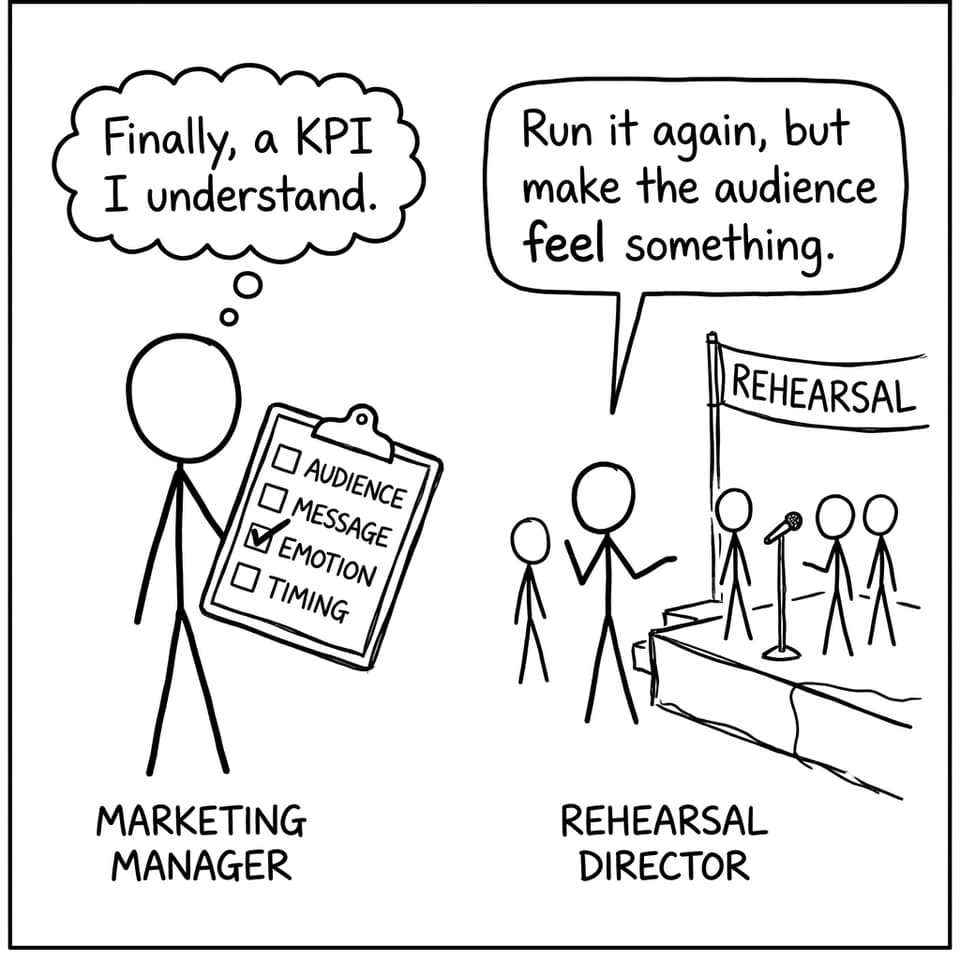
Then you sit in an IB Theatre rehearsal and realise something quietly important: marketing is also performance. Not fake performance, intentional performance. The kind where you understand an audience, choose a message, and shape how people feel.
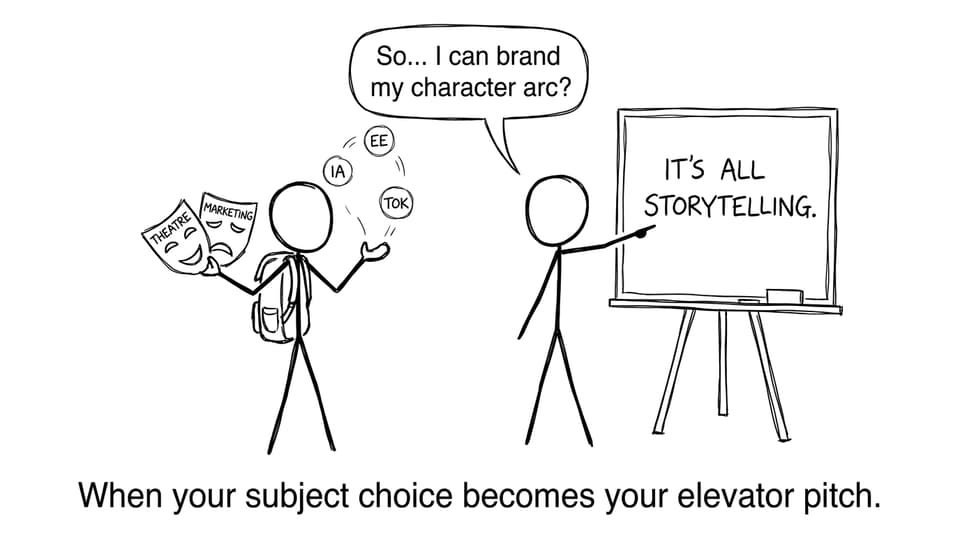
If you want to study marketing later, IB Theatre can be a surprisingly practical choice. Not because it “looks creative” on an application, but because it trains skills marketers use every day: storytelling, persuasion, audience analysis, and calm execution under pressure.
The quick checklist: should IB Theatre be your marketing side-quest?
Choose IB Theatre if you want to build:
-
Confidence speaking clearly and persuasively
-
Storytelling skills (structure, tension, payoff)
-
Audience awareness (what lands, what doesn’t)
-
Collaboration habits (roles, deadlines, feedback)
-
Reflection skills (turning “messy process” into marks)
If you hate documenting your process, or you want a subject that rewards memorising content more than showing your thinking, IB Theatre may feel frustrating. (You can still succeed, but you’ll need systems.)
Why IB Theatre maps surprisingly well to marketing
Storytelling is the job in both worlds
In marketing, you’re rarely selling a product. You’re selling a meaning: identity, status, safety, belonging, curiosity.
In IB Theatre, you learn how meaning is engineered through choices: pacing, contrast, symbolism, voice, space, and design. That’s brand storytelling in a different costume.
If you want a course-level view of what you’re actually being assessed on, keep Exploring the IB Theatre Syllabus: A Comprehensive Guide open while you plan your term.
You learn audience psychology without calling it psychology
A strong marketer can predict reactions: what people notice first, what confuses them, what makes them trust you.
A strong IB Theatre student does the same thing, just with an audience instead of a target segment. You test. You refine. You re-stage. You watch what changes.
Collaboration is a marketing skill, not just a theatre skill
Marketing is teamwork: designers, copywriters, analysts, clients, stakeholders.
IB Theatre trains this early. Especially through group work and production-style roles. If your class is in that phase, bookmark Understanding the Collaborative Project in IB Theatre and (even more useful) How to Succeed in the IB Theatre Collaborative Project.
Exam-season reality: how to make IB Theatre help your grades
The hidden risk with IB Theatre is thinking it’s “just practical.” It isn’t. Your marks come from evidence and explanation.
A simple exam-season routine:
-
Use Best Study Strategies for IB Theatre Students (SL & HL) to set a weekly rhythm.
-
When reflections feel vague, practise clear cause-and-effect writing using IB Theatre: Write Analytically About Your Solo Piece.
-
If you’re aiming high, learn what top students do consistently in Is It Hard to Get a 7 in IB Theatre? An Honest Look.
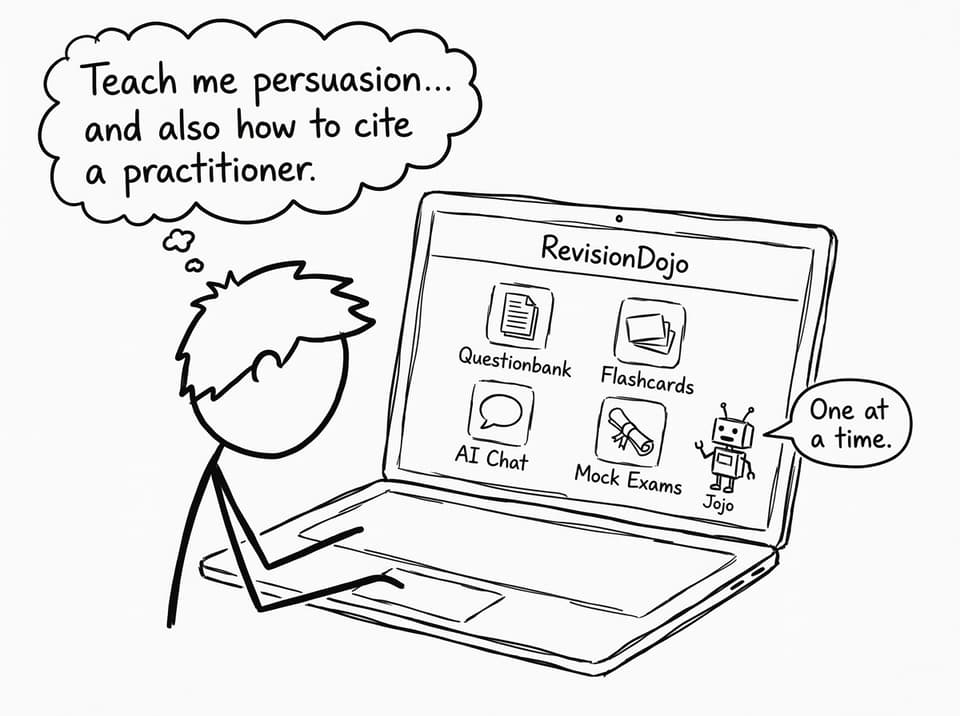
And if you want one home base for the whole grind, RevisionDojo helps you run the loop: Study Notes to clarify concepts, Flashcards to retain practitioner language, AI Chat to get unstuck, Grading tools for rubric-aware feedback, plus Mock Exams, Predicted Papers, the Coursework Library, and Tutors when you need human-level guidance.
Conclusion: IB Theatre is marketing practice in disguise
If you want to do marketing, IB Theatre can be a smart, strategic subject choice. It teaches you how to move an audience, sharpen a message, collaborate under deadlines, and explain your creative decisions with precision.
The best part is that your exam prep can reinforce those strengths. Use RevisionDojo to keep your process organised and your writing sharp: practise with the Questionbank, retain key terms with Flashcards, ask AI Chat to clarify practitioner ideas, and tighten submissions with Grading tools. When IB Theatre is structured well, it doesn’t distract from your future; it quietly prepares you for it.