

If you have ever walked out of a rehearsal thinking, I learned more in two hours here than in a week of notes, you already understand the quiet power of IB Theatre. Universities do too. Not because they want every applicant to become an actor, but because they recognize a rare kind of student: someone who can collaborate under pressure, explain creative decisions with evidence, and turn messy process into clear communication.
For IB students preparing for exams and coursework deadlines, IB Theatre is also a strategic advantage. When you know how to describe what you did, why you did it, what changed, and what you would do next, your application stops sounding generic and starts sounding real.
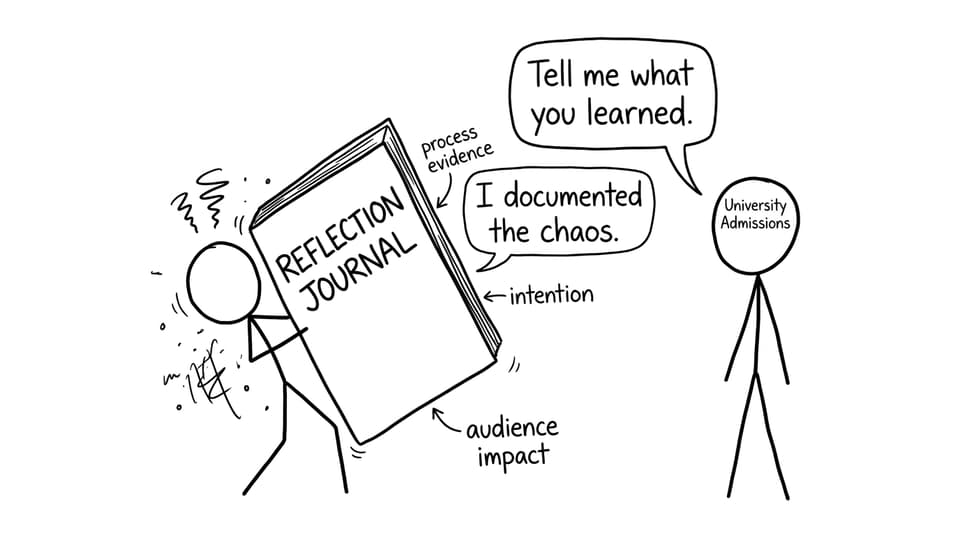
IB Theatre university benefits at a glance
Use this quick checklist to translate IB Theatre into admissions language:
-
Evidence of academic rigor (research, analysis, structured reflection)
-
Proof of collaboration (roles, leadership, ensemble responsibility)
-
Demonstrated communication skills (presenting, writing, performing)
-
A clear creative portfolio (process documentation and outcomes)
-
Strong cultural awareness (context, traditions, global theatre)
If you need the course structure in one place, keep Exploring the IB Theatre Syllabus: A Comprehensive Guide open while you plan.
Why IB Theatre makes applications stronger
Universities read thousands of applications that claim “leadership” or “creativity.” IB Theatre forces you to prove those traits with artifacts: drafts, rehearsal notes, research, and reflection. That proof is persuasive.
A useful way to frame it is this: theatre is the only place many students routinely practice making decisions in public, receiving feedback immediately, and iterating without taking it personally. That is an employable, university-ready habit.
When you are revising, it helps to think like the course does: process matters. How to Balance Creativity and Academic Rigor in IB Theatre is a strong reminder of what earns marks (and what earns respect).
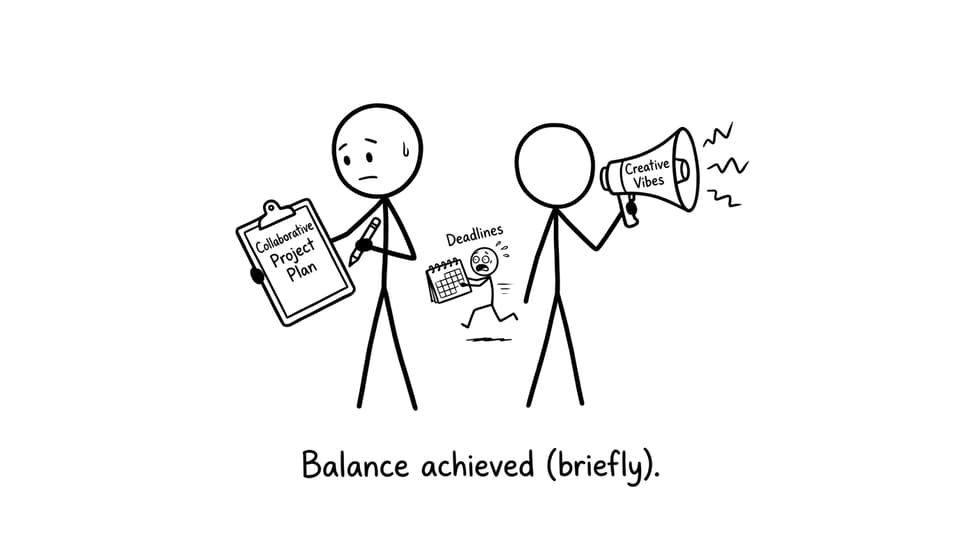
Skills from IB Theatre that universities actually value
Research, analysis, and academic writing
IB Theatre is not “just performance.” Your best work is built from research and then defended through analysis. That maps cleanly onto university expectations: you form an argument, select evidence, and explain impact.
If your writing still feels too descriptive, use the structure from IB Theatre: Write Analytically About Your Solo Piece and apply it across tasks.
Collaboration that leaves evidence
The Collaborative Project is a gift for applications because it shows how you work with others and how you think independently. The key is documenting your individual contribution with clarity.
Build your confidence here with Understanding the Collaborative Project in IB Theatre and then level up using How to Succeed in the IB Theatre Collaborative Project.
Communication under pressure
Presentations, practical work, and reflective writing train you to communicate when it counts. That is the core of interviews, auditions, and even STEM presentations.
For direct prep, borrow the timing and structure advice from How to Prepare for the IB Theatre Research Presentation.
How to turn IB Theatre into a strong application story
The easiest mistake is listing activities instead of telling a cause-and-effect story. A better approach is to write one paragraph that includes:
-
The problem you faced (creative, logistical, ensemble, research)
-
The choice you made (what you changed, tested, refined)
-
The evidence (what proves you did it)
-
The result (impact on audience/meaning/team)
-
The learning (what you would do next time)
This mirrors what IB Theatre rewards and what admissions officers remember.
To make the “evidence” part painless, use RevisionDojo as your system: build terminology and practitioner recall with Flashcards, check understanding with the Questionbank, and keep concepts tight using Study Notes. When deadlines hit, AI Chat helps you clarify criteria language, and Grading tools can keep your reflections aligned with what markers actually reward. If you want structure beyond one subject, use Mock Exams and Predicted Papers for your other courses, and tap the Tutors when you need feedback that is faster than waiting for the next lesson.
For course-level planning, start from Dive into the World of IB Theatre: An In-Depth Syllabus Overview and build a weekly routine using Best Study Strategies for IB Theatre Students (SL & HL).
Closing: make IB Theatre your advantage
The real university benefit of IB Theatre is not that it makes you “more creative.” It makes you more explainable: you can show how you think, how you collaborate, and how you improve.
If you want your IB Theatre work to lift your grades and your application at the same time, build a simple system with RevisionDojo: revise terminology with Flashcards, practise with the Questionbank, tighten understanding with Study Notes, and use AI Chat to turn rehearsal chaos into clear reflection. Your future reader, an examiner or an admissions officer, should be able to see your thinking on the page.