

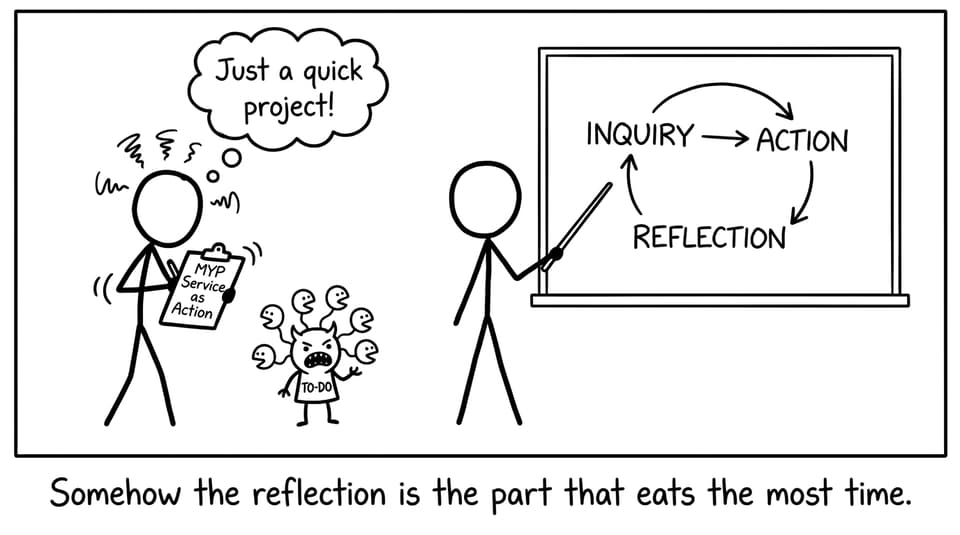
A week before exams, it’s weirdly easy to think: “I’ll just do a quick service project and be done.” Then reality shows up with a clipboard, a reflection requirement, and the uncomfortable truth that MYP Service as Action is not a box to tick. It’s a skill--building loop.
The good news: when you design your MYP Service as Action program like you design study sessions (clear goal, realistic scope, evidence, reflection), it stops feeling like extra weight. It starts feeling like training for the exact habits that lift your grades: planning, research, communication, and honest evaluation.
Quick checklist for an effective MYP Service as Action plan
Use this when you’re choosing or improving an MYP Service as Action experience:
-
Choose one real need (not ten vague ones)
-
Link it to a concept and a global context from your MYP learning
-
Plan for the full cycle: inquiry, action, reflection
-
Pick a service type: direct, indirect, advocacy, or research-based
-
Define success criteria (how you’ll know it worked)
-
Collect evidence as you go (small, frequent, dated)
-
Reflect with specifics: what changed, what you learned, what you’d do next
If you need a bigger picture of requirements, keep this open while you plan: Strategies to Meet MYP Service Requirements Easily.
What MYP Service as Action is really for
In the MYP, Service as Action is designed to turn “good intentions” into “good learning.” That’s why it’s tied to the IB Learner Profile and ATL (Approaches to Learning) skills. It’s not just volunteering; it’s learning through doing, then proving the learning through reflection.
A strong MYP Service as Action experience usually shows:
-
empathy that’s informed by inquiry (you investigated before acting)
-
leadership that’s practical (you planned, delegated, adjusted)
-
communication that’s purposeful (you explained, persuaded, listened)
-
reflection that’s evidence-based (you evaluated with proof)
That last point matters in exam season: reflection is basically the same mental muscle you use to fix recurring mistakes. If you want to get sharper at reflection, see: Encouraging Reflection in MYP Assessments.
The MYP service cycle: inquiry, action, reflection
When MYP Service as Action feels messy, it’s usually because the cycle collapsed into only “action.” The cleanest projects keep all three phases visible.
Inquiry: investigate before you help
Inquiry means you identify a need and learn what’s causing it. You can do this with interviews, surveys, observation, or basic research. The goal is to avoid “solution shopping” (bringing an idea you like) and instead respond to what’s actually needed.
This is where ATL research skills show up. If you want to connect ATL skills to deeper understanding across subjects, read: Linking ATL Skills to Conceptual Understanding in the MYP.
Action: do less, but do it well
Action is the part everyone remembers, and it’s also the easiest place to overscope. Your best friend is a narrow plan you can finish.
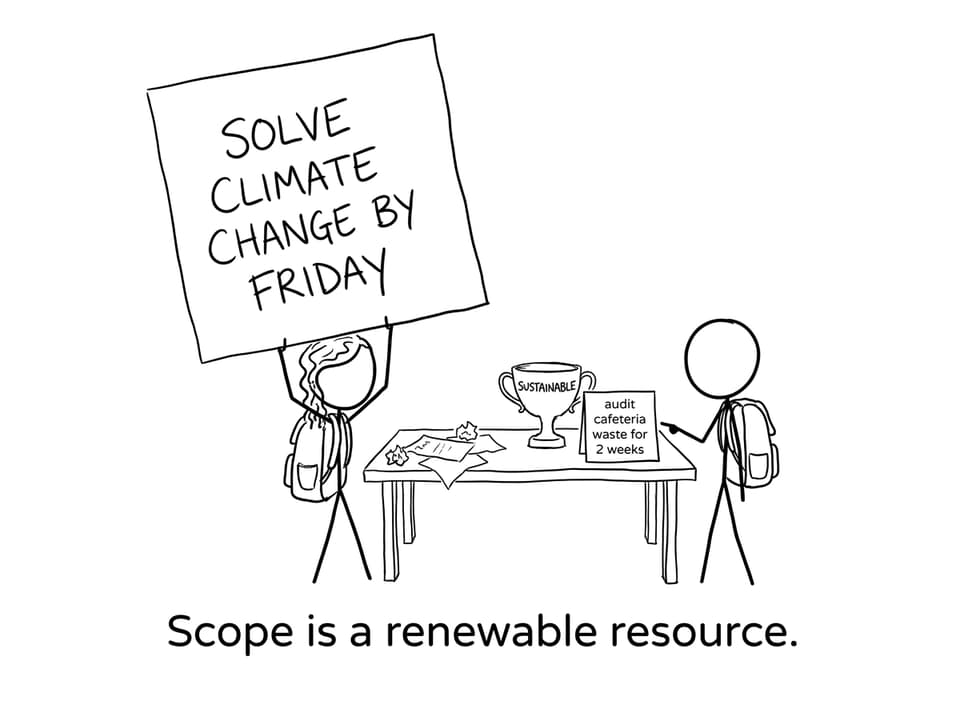
A high-quality MYP Service as Action project often looks “small” from the outside, because it is designed to be sustainable:
-
one partnership, not five
-
one clear deliverable, not a cloud of intentions
-
one audience, not “the whole community”
Reflection: turn effort into learning
Reflection is where the MYP turns experience into growth. It’s also where you can stand out: most students write feelings; top students write analysis.
Instead of “I enjoyed helping,” aim for:
-
What evidence shows impact?
-
Which ATL skill improved, and how do you know?
-
What went wrong, and what did you change?
-
What would you repeat next time, and what would you redesign?
To understand how schools evaluate this, use: How Is Service as Action Evaluated in IB MYP?.
Choosing the right type of service in MYP
The MYP recognizes four service types. Knowing them helps you design something balanced and realistic.
Direct service
You work with people face-to-face (tutoring, coaching, community gardening). High empathy, high coordination.
Indirect service
You help without direct contact (resource drives, creating materials, organizing systems). Great for exam season because it can be time-boxed.
Advocacy
You raise awareness and encourage change (campaigns, presentations, social media with a purpose). Best when paired with evidence and a clear audience.
Research-based service
You collect data that informs action (surveys, audits, reports). This can be powerful for students who like analysis and structure.
If you want inspiration and more MYP resources in one place, browse: All MYP Posts.
Make MYP Service as Action help your exams (not fight them)
Here’s the quiet trick: let your MYP Service as Action project rehearse the same skills your exams reward.
-
In Sciences, a waste audit uses data handling and evaluation.
-
In Language and Literature, an advocacy campaign trains audience awareness and persuasive writing.
-
In Design, building a simple prototype trains iteration and evidence.
Also, do not separate “service brain” and “study brain.” Use the same system you use for revision. For example, RevisionDojo students often:
-
use AI Chat to refine research questions and reflection prompts
-
use Study Notes to model concise explanations
-
use Flashcards to memorise ATL language and key definitions for sharper reflections
-
use Grading tools to check whether writing is actually answering criteria
-
use Tutors when motivation and planning collapse at the same time
To keep your schedule from breaking, borrow routines from: MYP Balance: Schoolwork and Extracurriculars That Work.
Document your MYP service without drowning in screenshots
Evidence is essential in MYP, but there’s a difference between documentation and hoarding.
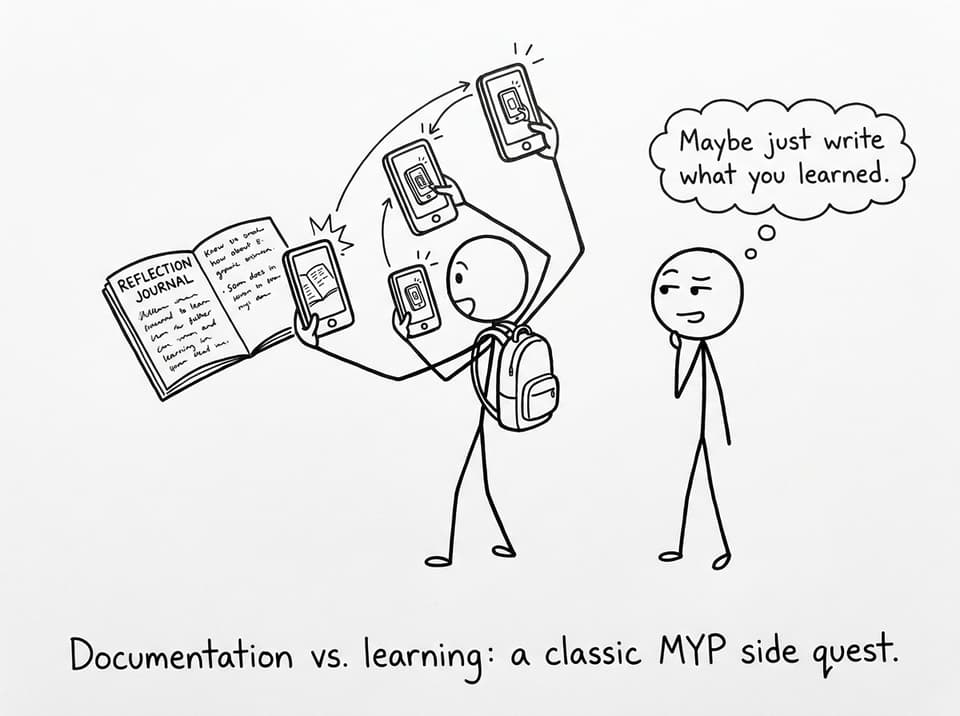
A simple rule: capture one piece of evidence per session, and label it immediately (date + what it shows + which outcome/ATL skill).
Good evidence includes:
-
a plan with milestones
-
meeting notes or emails (screenshots are fine)
-
photos of progress stages (not just the final photo)
-
a short feedback form from participants
-
a reflection paragraph that references the evidence
If your school uses a portfolio, this guide helps you keep it clean: How to Document Community Engagement in MYP Portfolio.
Closing: design your MYP service like you design your revision
The students who thrive in the MYP aren’t the ones who do the biggest projects. They’re the ones who keep the loop tight: investigate, act, reflect, improve.
If you want your MYP Service as Action to feel manageable in exam season, build it the same way you build strong study habits: small steps, clear evidence, and honest reflection. Then use RevisionDojo to keep everything connected--from Study Notes and Flashcards to AI Chat, Grading tools, Mock Exams, Predicted Papers, the Coursework Library, and Tutors. Your service becomes lighter because your system becomes stronger.