

Moving to university in September is strange because it arrives in the same season as your biggest academic sprint.
One minute, you are counting marks and command terms. The next, someone asks what size duvet you need. Your brain tries to treat both as equally urgent, and that’s when small admin turns into late-night stress.
This calm September checklist is written for IB students preparing for exams who want to reduce decision fatigue now, so move-in day feels simpler later. You do not need a perfect plan. You need a short list you can complete in small bursts between revision blocks.
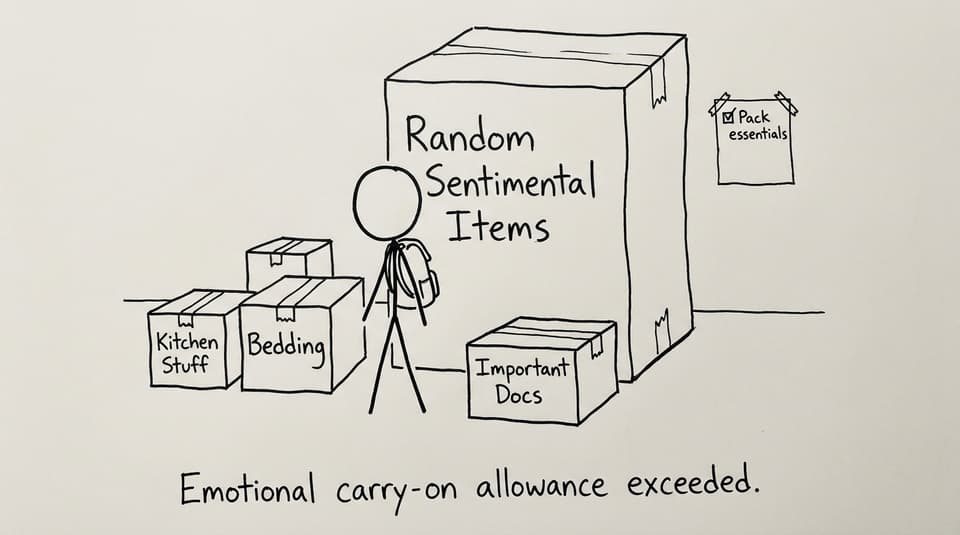
September moving checklist (quick scan)
-
Confirm your place details and key dates, then screenshot everything
-
Sort accommodation and ask the boring questions early
-
Build one documents folder (paper + cloud)
-
Pack for two weeks, not for your whole childhood
-
Set a first-term budget with a small buffer
-
Plan travel, arrival timing, and welcome week sign-ups
-
Set up a lightweight study system so your brain stays warm
Confirm your place details and deadlines
Before you spend money or make big plans, lock in the basics: course, provider, start date, and any conditions that still apply. The fastest way to reduce anxiety is to turn uncertainty into a saved reference.
A practical habit: take screenshots of your confirmations and store them in a single album called “Uni Admin.” It sounds almost too simple, but it prevents the midnight scroll through email threads.
If your route includes late changes, keep this guide open: What to Do After Accepting a Clearing Offer. And if you want the timeline clarity that makes everything else feel calmer, bookmark: Understanding Deadlines: What You Need to Know.
Accommodation: confirm, then ask the “obvious” questions
Accommodation stress grows quietly. It’s rarely the big decision that hurts; it’s the missing detail that appears at the worst time.
Ask early:
-
What is the exact check-in location and time window?
-
What’s included in the room (bedding size, desk chair, kitchen inventory)?
-
How does Wi-Fi setup work on day one?
-
Where do deliveries go, and how do you collect them?
-
What are the payment dates and contract end date?
If you’re choosing between options, this comparison helps: How to Choose Between Halls vs. Private Accommodation. If you’re late to the process, use: How to Find University Accommodation Fast.
Documents: the folder that prevents chaos
Create two copies of the same folder: one physical (thin, portable) and one digital (cloud + offline download on your phone).
Include:
-
Offer confirmation details and course information
-
Student finance letters, logins, and reference numbers
-
Photo ID plus a spare photocopy
-
Accommodation contract and emergency contacts
-
Bank details, medical information, and prescriptions (if relevant)
This is boring work. That is exactly why it works. When exam season makes your working memory unreliable, a tidy folder becomes your external brain.
Packing: bring what helps you function (not everything you own)
Pack for the first two weeks. Your future room is smaller than your imagination, and the shops near campus will still exist after you arrive.
High-impact essentials:
-
Bedding, towel, basic toiletries
-
Chargers, extension lead, headphones
-
A mug, plate, cutlery, and one pan you can actually clean
-
A tiny “pharmacy” kit (plasters, pain relief, etc.)
-
Study kit: laptop, one notebook, one folder, minimal stationery
Rule of thumb: if you can replace it in 20 minutes for under £15, it probably doesn’t deserve suitcase space.
Budget: protect your focus with a buffer
First term has hidden costs: society fees, transport, laundry, kitchen bits you assumed would be provided, and the “small” daily purchases that add up.
Set a simple structure:
-
Essentials first (rent, food, travel)
-
Fun second (social, hobbies)
-
Buffer always (even a small one is powerful)
For a clearer breakdown, use: How to Manage University Fees and Living Costs.
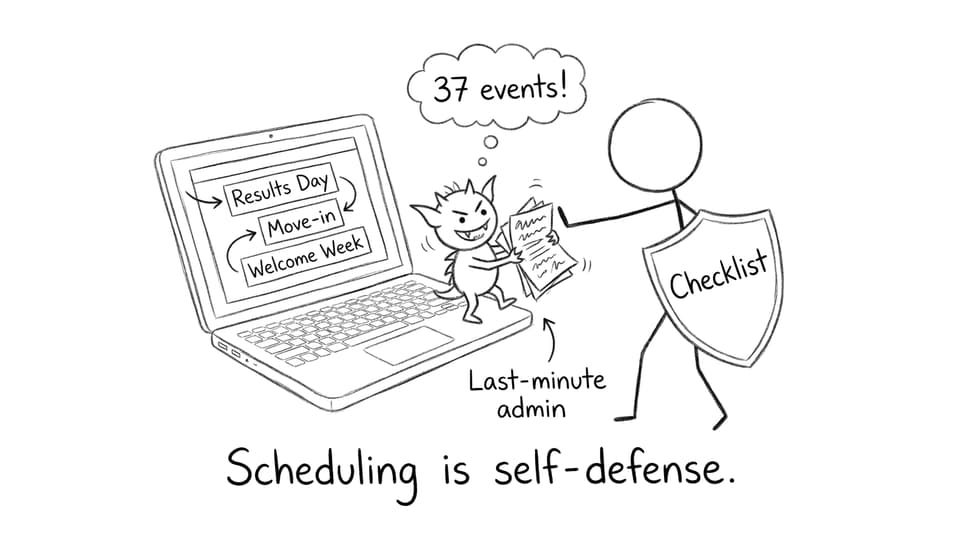
Travel and welcome week: reduce decisions on move-in day
Move-in day is not the time to improvise. Decision fatigue is real, and you’re already using a lot of cognitive energy on exams.
Do this now:
-
Book travel (and check luggage rules if you’re flying or taking the train)
-
Confirm parking rules and unloading times if family is driving
-
Save a backup route and a backup contact number
-
Register for welcome week events that require sign-up
If you want the bigger picture of what those first weeks are actually for, read: Preparing for Your First Year at University.
Keep your study momentum without burning out
The goal in September isn’t to study hard. It’s to keep the habit alive so you don’t lose rhythm.
A lightweight “warm brain” system:
-
7-10 minutes of RevisionDojo Flashcards for spaced repetition
-
20-30 minutes of targeted Questionbank practice (one topic only)
-
5 minutes of review using AI Chat to clarify one confusion fast
-
Quick feedback with Grading tools when you write longer responses
When you’re ready to rehearse pressure in a controlled way, build confidence with Mock Exams and Predicted Papers. And when coursework tasks reappear, use the Coursework Library to reduce friction and learn structure quickly. If you need a human edge, Tutors can help you fix one weak area without rewriting your whole plan.
If your energy is already running low, this is worth reading before you push harder: IB Burnout Psychology: Why It Happens and How to Recover. And if you need a reality check on effort vs results: You're Not Lazy: Your IB Study Method Is Broken.
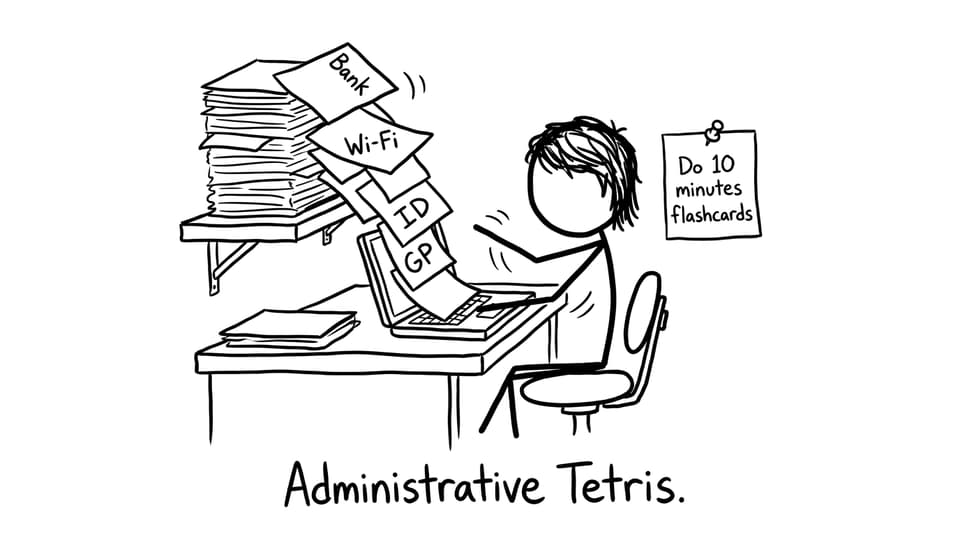
Arrive lighter: fewer loose ends, more confidence
September isn’t just a change of location. It’s a change of responsibility. When you handle the small admin now, you arrive with more mental space, the same quiet confidence you get when your revision plan is realistic.
Use this checklist to get the logistics under control, then let RevisionDojo carry the academic load with Questionbank practice, Study Notes, Flashcards, AI Chat, Grading tools, Predicted Papers, Mock Exams, the Coursework Library, and Tutors when you need them. Your goal is simple: arrive ready, not rattled.