
You open UCAS, refresh the page, and feel that tiny click of reality: you got in. Then a second thought arrives, louder than it should be during IB exam season: Where am I going to live?
If you’re balancing revision timetables, mock deadlines, and results-day nerves, finding a room can feel like a second exam with no syllabus. The good news: university accommodation is one of those problems that rewards speed, structure, and a little flexibility. Here’s a fast, calm system you can run in one afternoon.
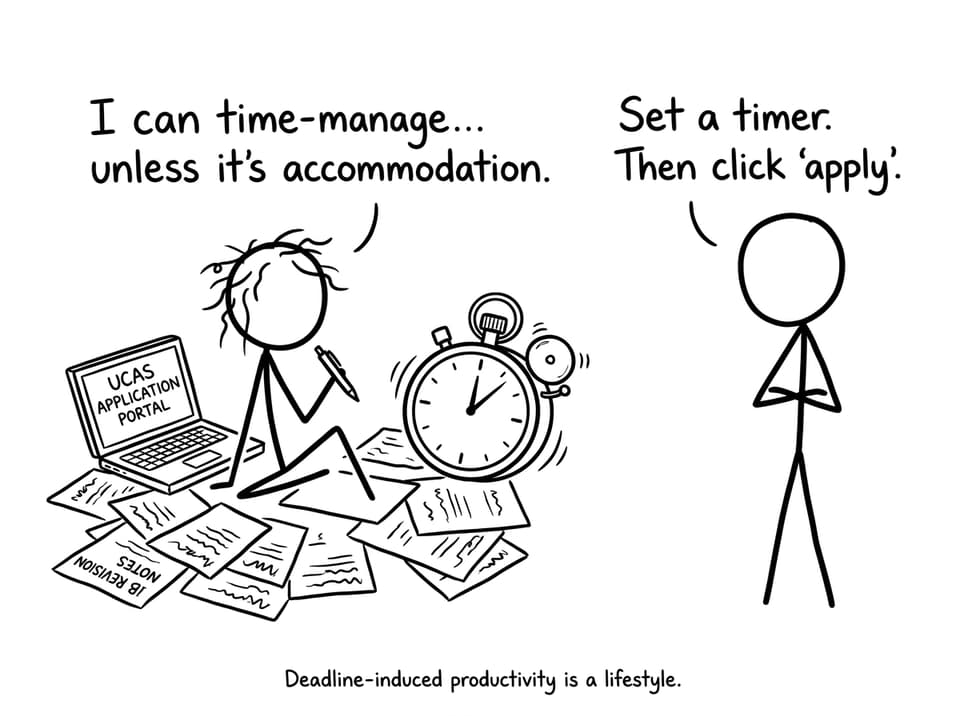
UCAS accommodation sprint checklist (do this today)
-
Confirm your place and keep your UCAS details handy (confirmation, course info, emails).
-
Apply for university halls immediately (even if you think it’s “probably full”).
-
Email or call the accommodation office and ask what they can do this week.
-
Open two backup routes: private student housing + flatshares.
-
Join official uni groups where rooms are posted last-minute.
-
Write down your non-negotiables (budget ceiling, max commute time, contract start date).
For a broader timeline after results, keep this nearby: Post UCAS Clearing Checklist: From Enrolment to Accommodation.
Move fastest where competition is highest: halls
University-managed halls fill quickly because they’re simple: one provider, one contract, close to campus, predictable bills. If you’ve just secured your place via UCAS (especially around Clearing), treat halls like your “first application choice” and submit as soon as the portal allows.
If you’re unsure what happens right after an offer, this helps you sequence it properly: What to Do After Accepting a UCAS Clearing Offer.
What to ask the accommodation office (copy/paste)
Ask for three things:
-
Whether they reserve rooms for late applicants and how that allocation works.
-
Whether they can place you on a waiting list and the typical turnaround time.
-
Their approved partner providers (often safer than random listings).
Private options that can be fast (and surprisingly good)
If halls are full, private options can move quickly if you’re organised. Your main routes:
-
Purpose-built student accommodation (fast application, managed buildings).
-
Flatshares with other students (often cheapest if you share).
-
Rooms with local landlords (variable quality, so check carefully).
If you’re deciding between routes, read: How to Choose Between Halls vs. Private Accommodation.
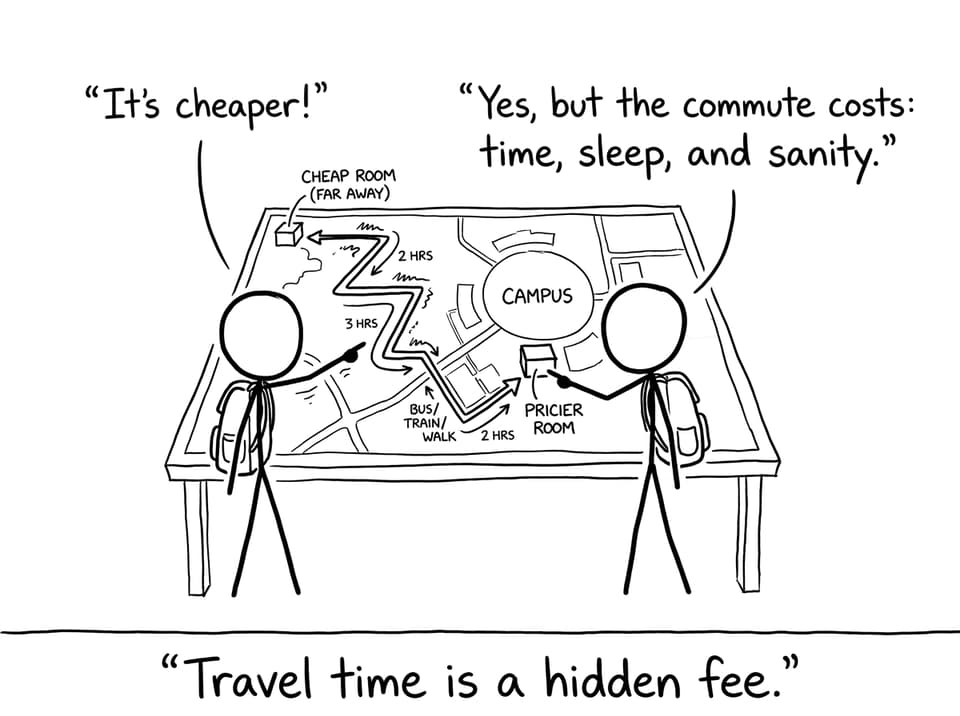
The hidden cost IB students underestimate: time
A cheaper room can quietly cost you hours. During your first term, time becomes your currency: settling in, learning systems, and rebuilding routines after exams. Keep your commute realistic so your days don’t start with stress.
Stay safe: the two-minute scam filter
When you’re under pressure, you’ll be tempted to “just secure something.” Don’t.
Use this filter:
-
View in person or by video call.
-
Never send money before a signed contract and clear payment method.
-
If the story is urgent and vague (“lots of interest, pay now”), pause.

Keep IB revision stable while you search
Accommodation searches eat attention. Protect your exam momentum with a simple rule: one fixed daily search window, then back to revision.
If you need a structure that doesn’t collapse when life gets noisy, use: How to Study for IB Exams: Step-by-Step Guide.
This is also where RevisionDojo quietly helps: your Study Notes and Flashcards keep recall steady, the Questionbank keeps practice targeted, and AI Chat can unblock confusion fast when you’re tired. If deadlines pile up, Mock Exams and Predicted Papers help you keep timing realistic, and grading tools show what to fix next instead of guessing.
For moving logistics once you’ve secured a place: Checklist for Moving to University in September.
Conclusion: UCAS is the start, so move like it
UCAS gives you the place. Your job is to secure the base camp. Apply for halls immediately, pressure-test options through the accommodation office, keep private routes open, and stay flexible on small preferences so you can win the big one: a safe room near campus, fast.
When the admin noise gets loud, RevisionDojo keeps the academic side steady: Questionbank practice, Study Notes, Flashcards, AI Chat, Mock Exams, Predicted Papers, and grading tools that tell you what matters next. Sort accommodation quickly, then go back to what earns the marks.