
Starting university feels like standing at the edge of a new life with your old one still buzzing in your pocket. One minute you are counting down to IB exams, the next you are checking emails, deadlines, and portals that all seem to say: UCAS.
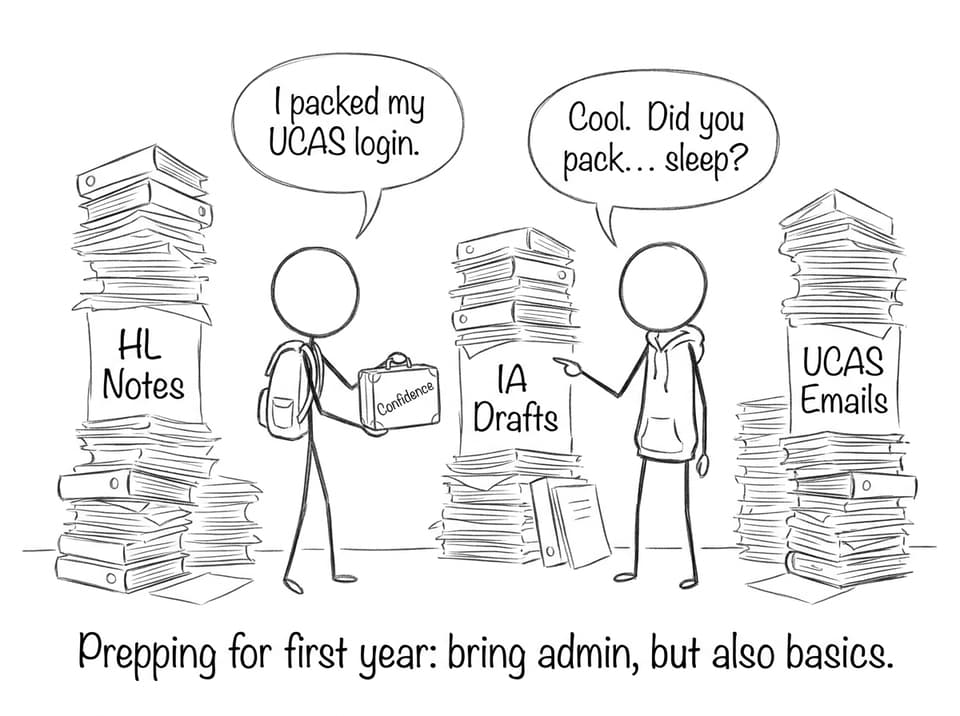
The strange part is that the biggest risks in first year are rarely “not smart enough.” They are the quiet ones: missing an admin step, underestimating costs, or arriving without a study system and hoping motivation will do the job.
UCAS first-year prep checklist (save this)
Keep it simple. If you do these early, you buy yourself calm later:
-
Confirm your place details and key dates in UCAS and your university portal
-
Sort accommodation, travel, and move-in essentials
-
Apply for student finance and track it like an assignment
-
Set a realistic budget for the first term
-
Build a light study routine so your brain does not “switch off” after IB exams
-
Make one social plan for week one (one is enough)
Get organised early: treat UCAS like a syllabus
Think of UCAS admin like an IB syllabus: clear steps, predictable marks for accuracy, and penalties for procrastination. Log in, screenshot confirmations, and create one folder (cloud + paper) for documents.
If you are moving soon, follow the tight, practical plan in Checklist for Moving to University in September. If your route involves late changes, keep Post UCAS Clearing Checklist: From Enrolment to Accommodation open so nothing slips.
Budgeting and living costs: where UCAS stress turns into real life
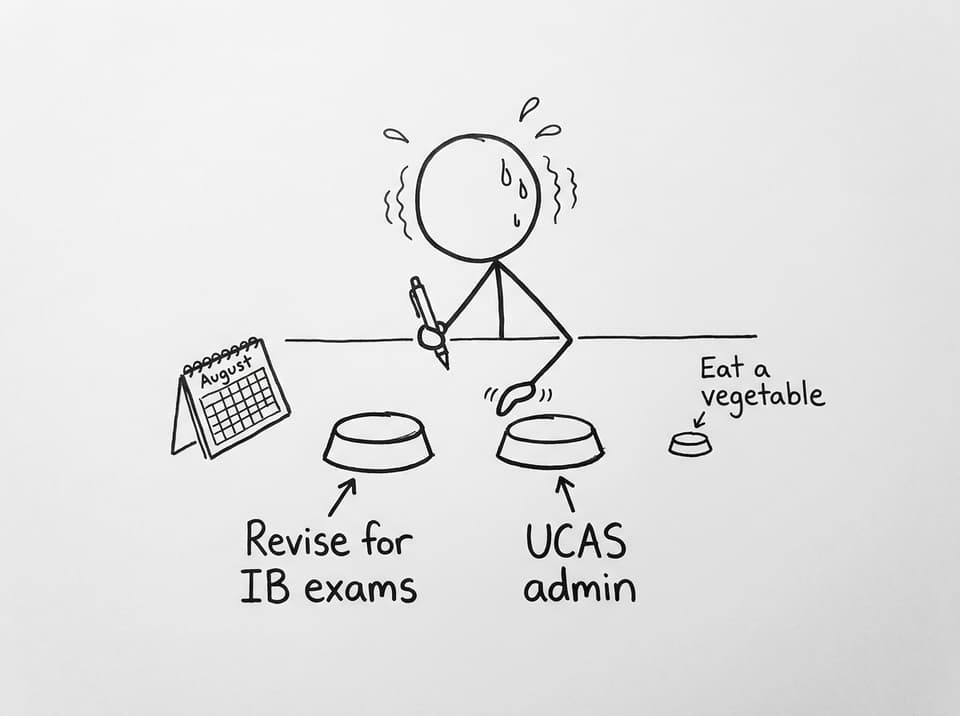
The first year budget problem is not that you spend money. It is that you spend it too early, before you understand the rhythm of term-time costs.
Use How to Manage University Fees and Living Costs to map essentials first (rent, travel, groceries), then decide what is left for social life. And if you are still sorting finance, UCAS Student Finance: How IB Students Apply Fast helps you avoid delays that create panic in week one.
Accommodation is its own budget category. If you are debating where to live, How to Choose Between Halls vs. Private Accommodation gives you the decision filter that actually matters day-to-day.
Academic setup: carry IB skills into first year (without burning out)
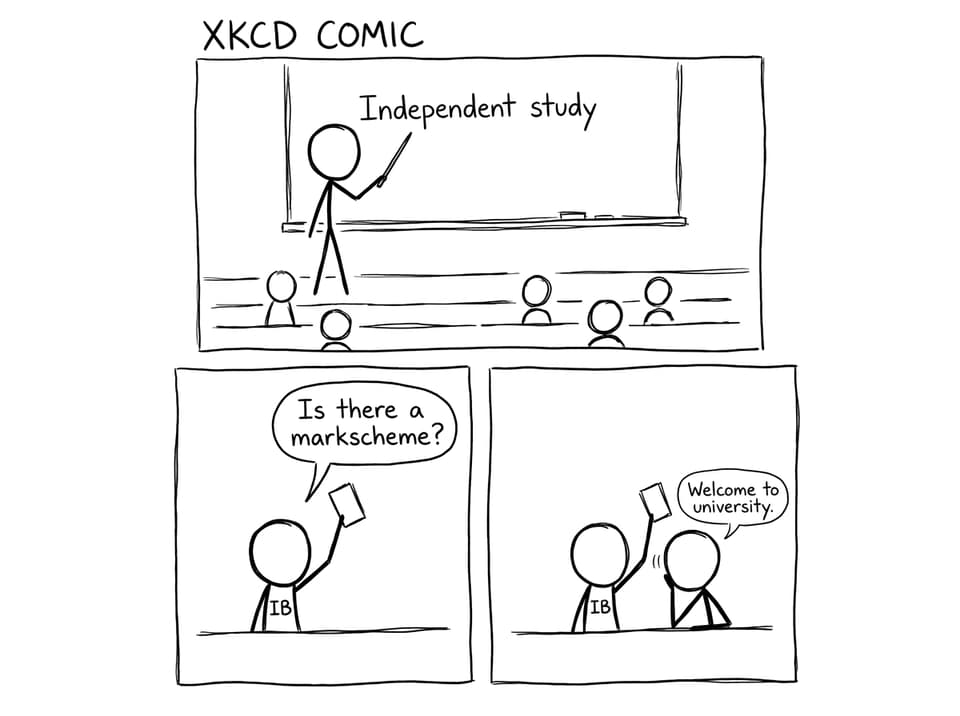
University rewards the same core abilities that high-scoring IB students build: consistency, self-feedback, and learning how to learn. What changes is the structure. You get more freedom, which sounds like a gift until you realise freedom also means fewer external deadlines.
A clean note system helps you land well. Use IB Note-Taking Strategies: Maximize Your Study Efficiency and The Best Digital Tools for Organizing Your Notes to set up a method you can keep.
Then keep your momentum with RevisionDojo: Study Notes to refresh core concepts, Flashcards for spaced repetition, the Questionbank for targeted practice, and AI Chat when you hit a “why does this work?” wall. When you want realism, add Mock Exams, Predicted Papers, and Grading tools to see what improvement actually looks like. If coursework is looming, the Coursework Library and Tutors help you move faster with fewer wrong turns.
Common mistakes after UCAS (and how to avoid them)
Most first-year stress is predictable:
-
Overpacking: bring two weeks of essentials, not your entire past
-
Ignoring routines: the first two weeks set your default habits
-
Spending the maintenance loan fast: pace it across the term
-
Assuming everyone else is confident: they are not
If you want a quick reminder of the avoidable errors students make, scan Mistakes Students Make During UCAS Applications. The same “small admin mistakes become big stress” pattern shows up in first year too.
A calm ending: UCAS got you in, habits will carry you through
UCAS is the gateway, but your first year is built from quieter choices: routines, budgeting, and a study system that works when motivation is low. If you want one place to keep those pieces together, use RevisionDojo to organise your learning with Study Notes, Flashcards, the Questionbank, AI Chat, and realistic Mock Exams, plus Grading tools and Tutors when you want sharper feedback.
Make the transition once. Then let the system carry you.