

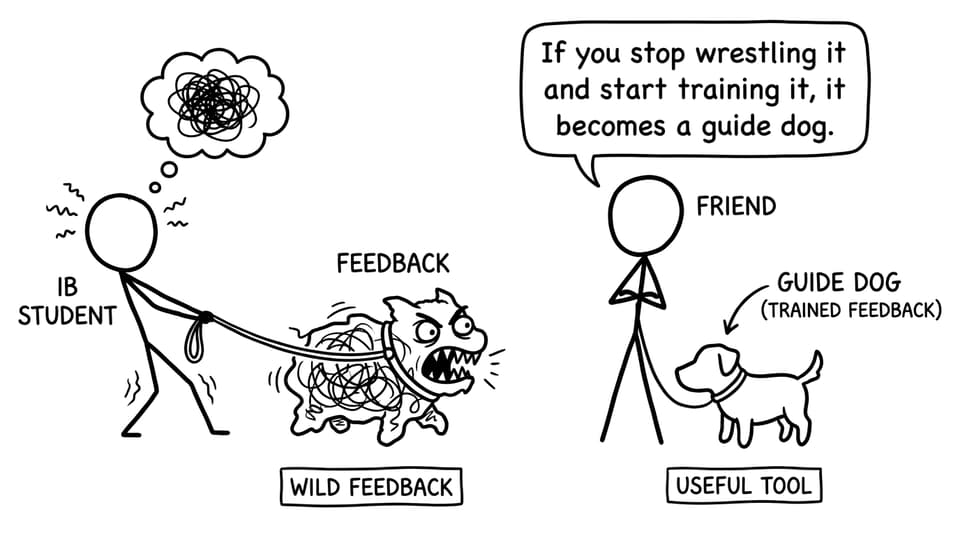
Feedback arrives in your life like weather.
Some days it’s gentle: “Nice clarity here.”
Other days it hits like a storm: “This isn’t analytical enough.”
If you’re an IB student preparing for exams, that second kind can feel personal. Not because you’re fragile, but because you’re tired. You’ve invested hours. You thought you understood. Then a comment collapses the illusion.
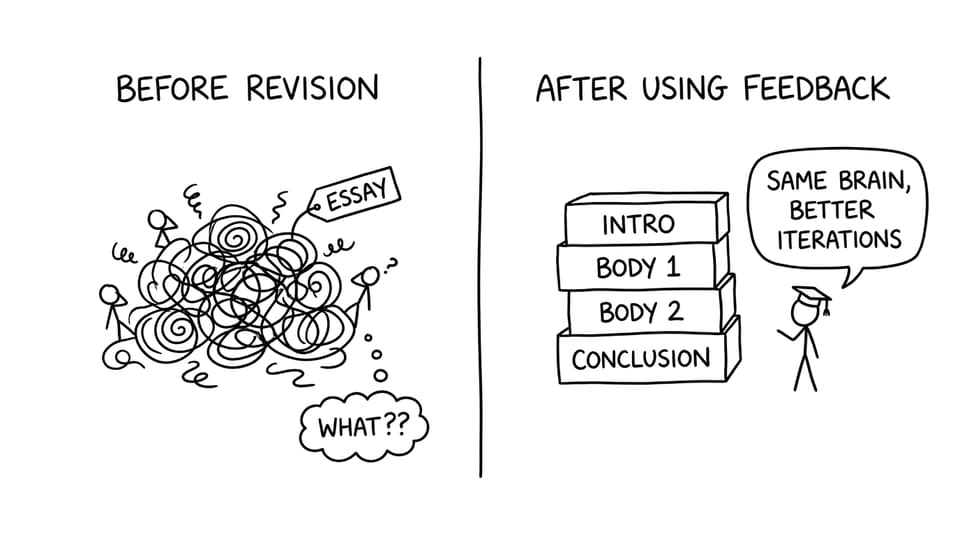
But here’s the quiet truth: the students who improve fastest aren’t the ones who get the nicest feedback. They’re the ones who build a feedback culture around themselves, a system that turns comments into actions, actions into iterations, and iterations into confidence.
In the IB, this is basically the whole game: learning how to learn under pressure.
A quick checklist for a growth-minded IB feedback culture
Use this as your “minimum effective dose” when exams get close:
-
Treat feedback as data, not a verdict (growth mindset starts here).
-
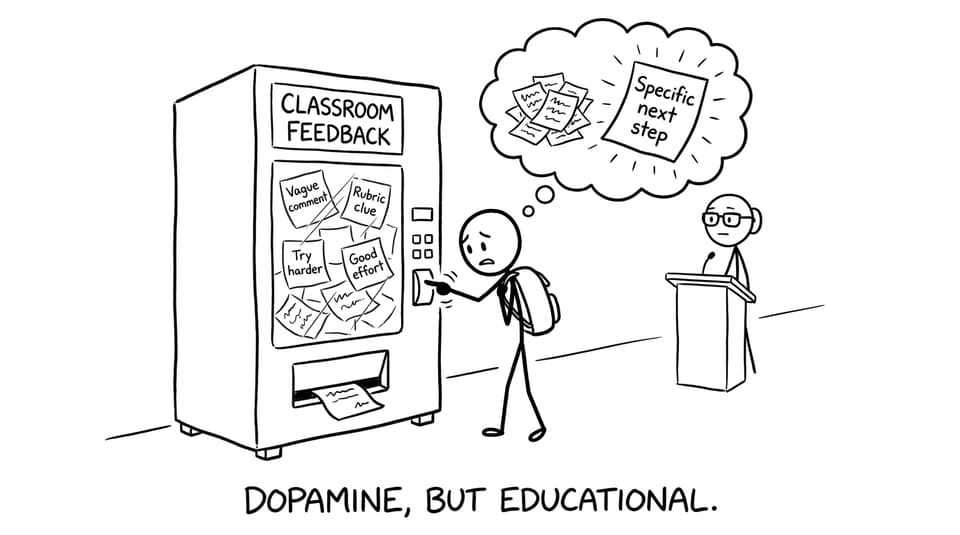
Convert every comment into one next step you can do in 20--30 minutes.
-
Run feedback loops weekly: attempt → feedback → fix → retest.
-
Use peer feedback for speed and perspective.
-
Use rubrics/criteria language (especially in the IB) so feedback becomes predictable.
-
Keep a “mistakes list” that you actually revisit.
If you want your study tools to support this loop, RevisionDojo is built around it: Study Notes for clarity, Flashcards for retention, Questionbank for exam-style practice, AI Chat for getting unstuck, Grading tools for rubric-aligned feedback, and Mock Exams plus Predicted Papers for realistic rehearsal.
Why feedback culture matters for IB exam prep
A single comment can be ignored. A culture can’t.
In the IB, you’re constantly switching contexts: subjects, teachers, assessment styles, and command terms. That’s why a feedback culture is more powerful than motivation. Motivation fluctuates. Culture quietly keeps showing up.
A good IB feedback culture does three things:
-
It makes improvement visible (so you trust the process).
-
It reduces the fear of being “wrong” (so you practice more).
-
It creates a repeatable path from effort to marks (so studying feels less random).
If you’ve ever finished a practice session thinking, “I worked, but I don’t know if I improved,” you’re not lacking discipline. You’re lacking a feedback system.
To see how feedback loops fit into sustainable prep, read IB Exams Without Pausing Your Life.
Redefine feedback: from judgement to instructions
Most students interpret feedback as identity:
-
“I’m bad at essays.”
-
“I’m not a math person.”
-
“I always mess up data response.”
Growth mindset in the IB starts when you translate identity statements into instruction statements:
-
“My introductions don’t set up an argument yet.”
-
“I’m losing method marks from rushed working.”
-
“My evaluation is descriptive, not critical.”
This is why rubric language matters. When feedback is tied to criteria, it stops sounding like opinion and starts sounding like a map.
RevisionDojo supports this kind of mapping in a practical way: you can practice in the Questionbank, get instant explanations, and then route yourself back to the exact concepts using Study Notes.
Make feedback timely: shrink the gap between attempt and improvement
Feedback loses power when it arrives after you’ve emotionally moved on.
So your job as an IB student is to shorten the loop. Not with heroic all-nighters, but with small, frequent cycles.
Try the “48-hour rule”:
-
Day 1: attempt a set of questions or a timed section.
-
Day 1 (immediately after): write a 3-line reflection: What went wrong? Why? What’s my next step?
-
Day 2: do one targeted fix session (20--40 minutes).
-
Day 3: retest the same skill.
This is also why timed practice matters: the IB doesn’t just test knowledge, it tests decision-making under time.
If you need a clean method for timed practice, use IB Mock Exam Results Analysis: Track Your Progress Over Time.
Learn to “use” feedback (not just read it)
A feedback culture breaks when you collect comments like souvenirs.
Instead, you want feedback literacy: the ability to extract meaning and turn it into action.
Here’s a simple IB-friendly framework called C.A.R.:
-
Capture: copy the feedback into a single place (doc, notebook, or RevisionDojo notes area).
-
Assign: label it as content, technique, or communication (this helps you choose the right fix).
-
Respond: write a one-sentence action like “Do 10 command-term ‘evaluate’ responses” or “Rewrite paragraph 2 with one counterclaim.”
If you want to see how structured reflection becomes a habit, read Teaching Reflection as a Habit, Not a Task.
Build peer feedback into your IB routine (without the awkwardness)
Peer feedback is underrated because students assume it means trading compliments.
But in IB exam prep, peer feedback is really about increasing the number of “eyes” on your work. You catch different things.
Use a script that keeps it practical:
-
“One thing that’s clear is… (specific).”
-
“One thing that would raise marks is… (criteria-based).”
-
“One question I have as a reader is… (uncertainty = useful).”
Do this with one classmate once a week. Keep it short. Keep it kind. Keep it tied to the IB criteria.
For schools and cohorts trying to make this systematic, RevisionDojo for Schools is designed to standardize feedback loops across subjects so students get consistent, actionable guidance.
Connect feedback to IB skills: ATL, Learner Profile, and exam outputs
A growth mindset isn’t just “believe in yourself.” In the IB, it’s the willingness to improve the exact skill the assessment rewards.
When you translate feedback into skill language, you stop guessing what to fix.
Examples of useful translations:
-
“Your evidence is thin” → research and selection (ATL: thinking skills).
-
“Your explanation jumps” → structure and signposting (communication skills).
-
“You ran out of time” → pacing and planning (self-management skills).
If you want broader resilience strategies that pair well with feedback culture, read Building Resilience and Reflection in IB Classrooms.
Use RevisionDojo to turn IB feedback into a weekly loop
A feedback culture becomes real when it’s scheduled.
Here’s a simple weekly loop many IB students can sustain with RevisionDojo:
Clarify (2 sessions)
-
Read one weak topic in IB Subject Note Collections and keep it short.
-
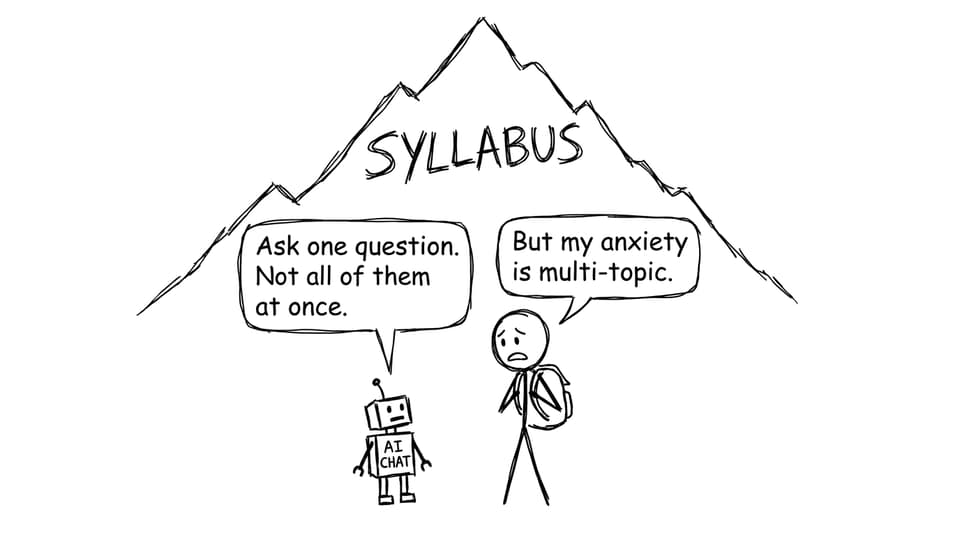
Ask one focused question in Jojo-powered support via the RevisionDojo app workflow when you get stuck.
Prove (3 sessions)
-
Drill that same topic in the Questionbank until mistakes repeat.
-
Convert the repeat mistakes into Flashcards prompts (definition, method step, command term response).
Rehearse (1 session)
-
Sit a timed section using IB Predicted Papers or a full timed set when you’re ready.
-
Review with “pattern thinking”: what type of error is it?
If you want the bigger picture of what predicted practice is for, see IB Predicted vs Specimen Papers: What They Mean.
Closing: make feedback your unfair advantage in IB
The highest-performing IB students aren’t magically calmer. They’re simply more systematic.
They treat feedback like a training plan: specific, repeatable, and slightly boring in the best way.
If you want to build a feedback culture that supports growth mindset, start this week with one loop: attempt something timed, capture feedback, choose one next step, and retest within 48 hours. Then repeat. Marks rise quietly when your process stops being random.
When you’re ready to make that loop easier to run, RevisionDojo brings it all into one place: Questionbank, Study Notes, Flashcards, AI Chat, Grading tools, Predicted Papers, Mock Exams, Coursework Library, and Tutors -- so your feedback turns into action, and your action turns into results in the IB.