
The IB moment nobody posts about
There’s a specific kind of silence that shows up in IB season.
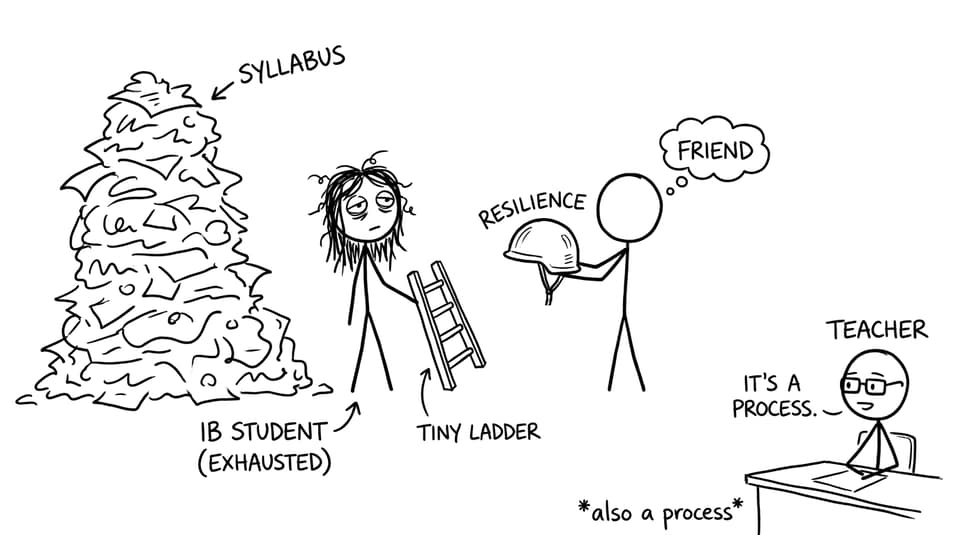
It’s not the quiet of focus. It’s the quiet after you check your score, realize it’s not what you hoped, and feel your brain start writing a story: Maybe I’m just not good at this subject.
That story is common. It’s also optional.
In IB, the students who improve fastest aren’t the ones who never struggle. They’re the ones who build two classroom habits that travel well into exam prep: resilience (recovering and continuing) and reflection (learning something real from what happened). When you combine them, you get a calm, repeatable loop: attempt, notice, adjust, try again.
Quick checklist: resilience + reflection for IB exams
Use this as your compact IB routine when revision feels messy:
-
Normalize struggle: treat confusion as data, not identity.
-
Run micro-reflections after each practice set (3 minutes).
-
Turn feedback into one next step (not ten vague goals).
-
Track patterns (mistakes repeat; you don’t have to).
-
Practice under light pressure weekly (timed sections or mock blocks).
-
Protect energy: sleep and boundaries are part of performance.
If you want a single hub for this loop, start with the RevisionDojo app workflow for IB exam prep.
Why resilience matters in IB (especially near exams)
The IB doesn’t just test what you know. It tests what you do when you half-know something, when a command term twists the task, when time runs faster than usual, and when your confidence is noisy.
Resilience is the skill that keeps you in the game long enough to actually learn. In exam prep, that looks like:
-
Doing another question even after you miss the first one.
-
Asking for help quickly instead of procrastinating.
-
Sticking to a plan that’s small enough to repeat.
A resilient student isn’t “tough.” They’re trained. And training is exactly what good IB revision is.
Reflection turns effort into improvement (and stops the panic spiral)
Reflection is how you stop studying in circles.
A lot of IB students work hard but don’t get proportional returns because they don’t pause to answer the only question that matters: What, specifically, is causing marks to leak?
Reflection doesn’t need to be poetic. It needs to be precise.
A strong reflection after practice should produce:
-
one mistake pattern,
-
one reason it happened,
-
one action you’ll take within 48 hours.
If you want prompts that actually lead to action, use Creating Actionable Reflection Prompts for IB Students.
Make struggle normal: the classroom habit that saves exam season
In a healthy IB classroom, struggle is expected. Not romanticized. Not punished. Expected.
Try this mental shift during revision: every hard question is doing you a favor. It’s showing you what future you can fix while it’s still cheap.
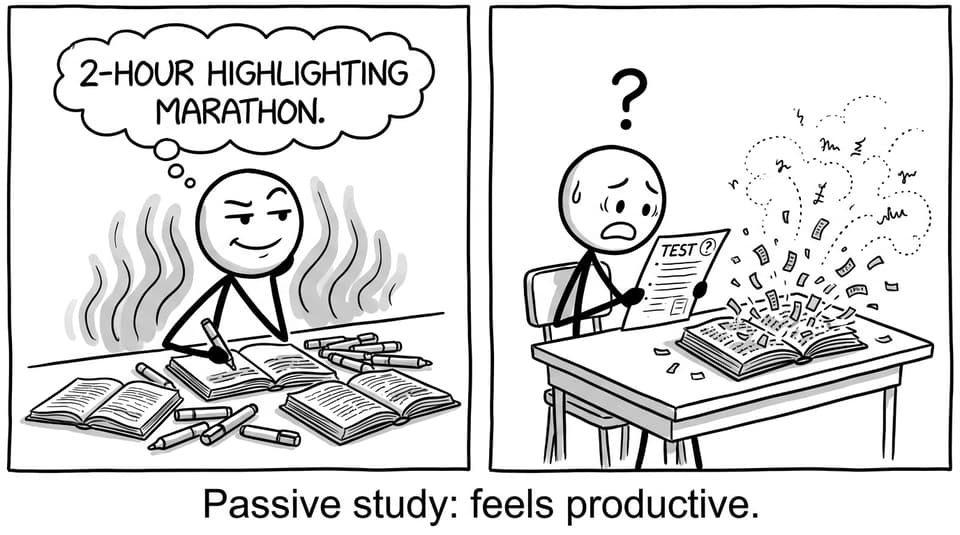
A practical way to normalize struggle is to switch your default from “review content” to “attempt problems.” On RevisionDojo, that usually means starting with the Questionbank and using errors as your map.
And when you feel the urge to escape into passive studying, remember:
The IB resilience loop: attempt, reflect, retest
Here’s a simple loop you can run for any IB subject, even on low-motivation days:
Attempt (20--40 minutes)
-
Do a short set of exam-style questions.
-
If possible, add light timing to build comfort.
Use RevisionDojo’s Questionbank for volume and targeting, then keep your weak areas visible with tagging.
Reflect (3--5 minutes)
Write three lines:
-
What happened? (e.g., “Lost marks on evaluation / justification.”)
-
Why? (e.g., “I listed points but didn’t compare to the question.”)
-
Next step: (e.g., “Do 8 ‘evaluate’ questions; check mark allocation.”)
Retest (10--20 minutes within 48 hours)
Do a smaller set on the same weakness. This is where the grade moves.
To keep recall alive between loops, add a daily 10-minute layer with Flashcards. In IB, memory decay is sneaky. Spaced repetition makes it boring again (which is good).
Feedback that builds resilience (instead of shame)
Feedback is only scary when it feels final.
In IB, feedback should behave like directions. The most useful form is “feedforward”: what to do next, and what it should look like when it’s fixed.
A good rule: never collect feedback you won’t act on within a week.
If you want a bigger picture of how this works in classrooms, read Building a Feedback Culture That Supports Growth Mindset.
On RevisionDojo, feedback becomes easier to use because the tools connect:
-
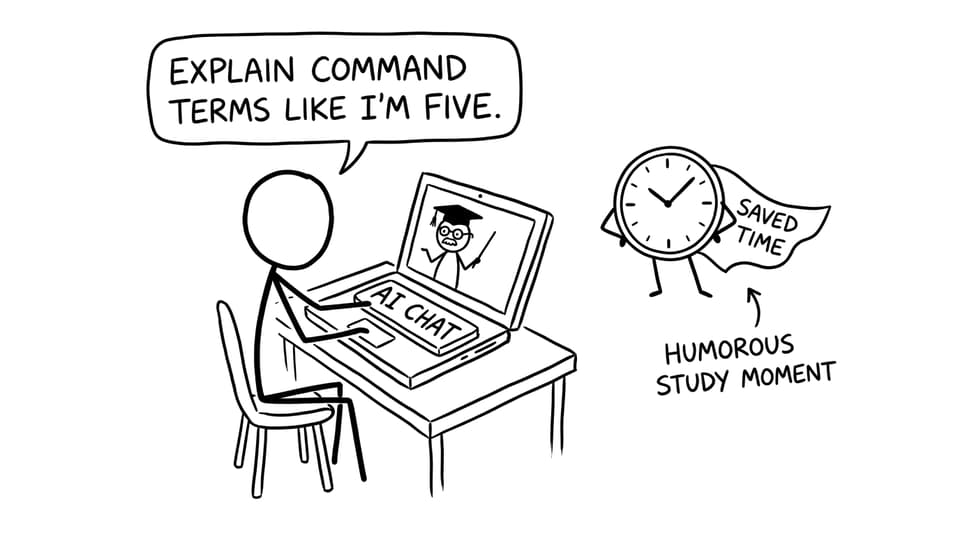
AI Chat helps you get unstuck on the exact concept or command term.
-
Grading tools help you see what “good” looks like against criteria.
-
Study Notes help you patch quickly (without rewriting your notebook).
Reflection routines that actually fit real IB days
You don’t need a journal aesthetic. You need a repeatable trigger.
Here are three routines that work well for IB exam prep:
Two wins, one tweak
After each session:
-
2 things that improved (speed, clarity, fewer careless errors)
-
1 tweak for next time
What? So what? Now what?
-
What did I do?
-
So what did it reveal about my understanding?
-
Now what will I do next?
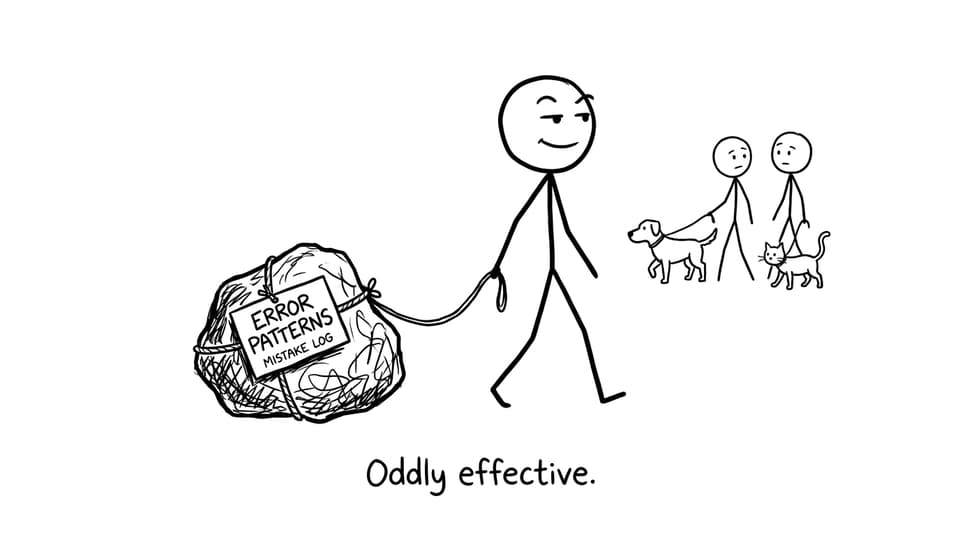
The mistake log (small, slightly annoying, unbelievably effective)
Keep a list of your top repeated errors and review it before you start practice.
If workload is the bigger stressor, pair these routines with Coaching Students to Manage IB Workload with Confidence.
Using RevisionDojo to train resilience and reflection
The quiet advantage of RevisionDojo is that it’s built around a loop the IB actually rewards:
-
Questionbank to practice what exams demand
-
Study Notes to patch gaps fast
-
Flashcards to keep recall warm daily
-
AI Chat to solve “I’m stuck” in minutes, not hours
-
Mock Exams to build timing and stamina
-
Predicted Papers to rehearse realistic paper structure and topic coverage
-
Grading tools for rubric-aware improvement
-
Coursework Library to reduce uncertainty around IA/EE/TOK expectations
-
Tutors when you need a human diagnosis and strategy
If you’re building toward timed performance, explore IB Mock Exams with timer and feedback and the IB Predicted Papers hub.
And if you’re wrestling with setbacks mentally, this one helps: Talk about failure and resilience during IB.
Closing: make IB growth feel inevitable
The IB is demanding, but it’s also remarkably fair: it rewards the student who can keep going, notice what’s happening, and adjust.
Resilience keeps you in motion. Reflection keeps you moving in the right direction.
If you want a platform that turns those habits into a daily system, build your next week around RevisionDojo: do a small Questionbank set, reflect for three minutes, lock key ideas into Flashcards, ask AI Chat one precise question, and add a weekly timed session with Mock Exams or Predicted Papers. In IB, that loop isn’t just revision. It’s composure you can carry into the exam room.


