


If you have ever watched a group project slowly fall apart, you already understand workplace demotivation. Not because people are lazy, but because small frictions pile up: effort goes unnoticed, goals get fuzzy, and progress feels pointless.
In IB Business Management, this matters because motivation is not a “soft” topic. It links directly to productivity, labour turnover, training costs, and ultimately profit. Demotivation is an HR problem that becomes a finance problem.
A quick IB Business Management checklist (exam-ready)
Use this fast structure for any short answer or 10-marker in IB Business Management:
-
Identify causes of demotivation (recognition, leadership, growth, workload, relationships)
-
Link to impacts (lower productivity, absenteeism, labour turnover, weaker culture)
-
Propose solutions (financial + non-financial, training, appraisal, communication)
-
Add evaluation (cost, time lag, different employee needs, industry context)
For the syllabus-aligned version, see 2.4 Motivation and Demotivation.
Why employees become demotivated (and how to explain it)
Demotivation usually begins as a gap between what employees expect and what they experience.
Lack of recognition (effort feels invisible)
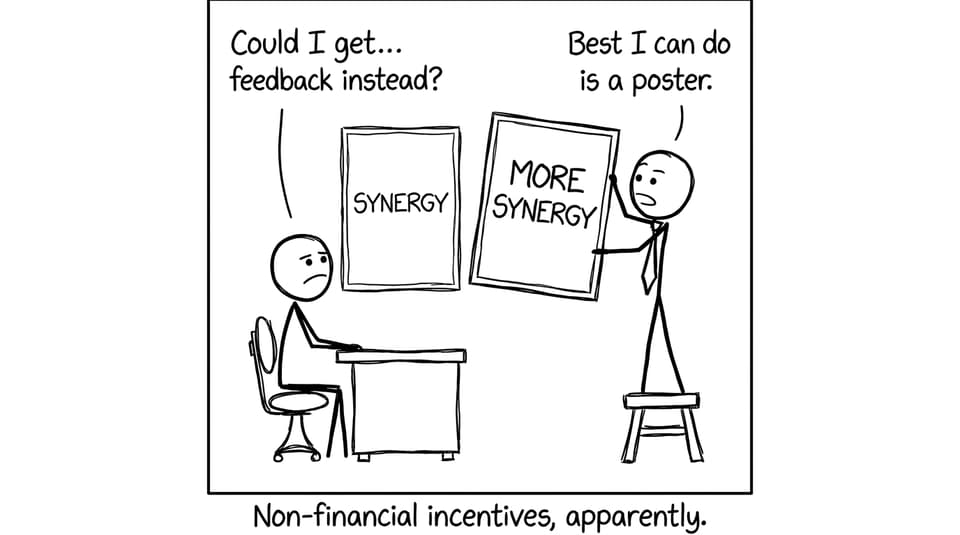
When high effort gets no feedback, employees stop “leaning in.” In IB Business Management, this connects neatly to non-financial motivation: praise, empowerment, job enrichment, and a clear sense that performance matters.
A simple fix is a consistent appraisal system. Not vague compliments, but specific feedback tied to targets and development.
Poor leadership (uncertainty becomes stress)
Demotivating leadership often looks like unclear communication, inconsistent rules, or unrealistic targets. Employees then protect themselves by doing the minimum required.
If you need leadership vocabulary for your answer, use What Is the Difference Between Leadership and Management in a Business?.
No growth opportunities (the job has no “next step”)
When progression is missing, motivation becomes fragile. People want skill development, responsibility, and a pathway that feels real.
In IB Business Management, you can frame this as investment in human capital: training, mentoring, and internal promotion.
Workload imbalance (burnout or boredom)
Too much work creates stress and absenteeism. Too little work signals low trust and low value. Either way, motivation drops because the job stops matching the employee’s capabilities.
Poor workplace relationships (culture eats energy)
Tension inside teams drains attention and increases conflict. In exam terms, this weakens organizational culture and reduces collaboration.
What businesses can do to prevent demotivation
In IB Business Management, prevention is about designing systems that make motivation more likely.
-
Run meaningful appraisals: regular feedback, SMART targets, coaching.
-
Improve communication: clear expectations, transparent change management.
-
Build development pathways: training and development that employees can see and measure.
-
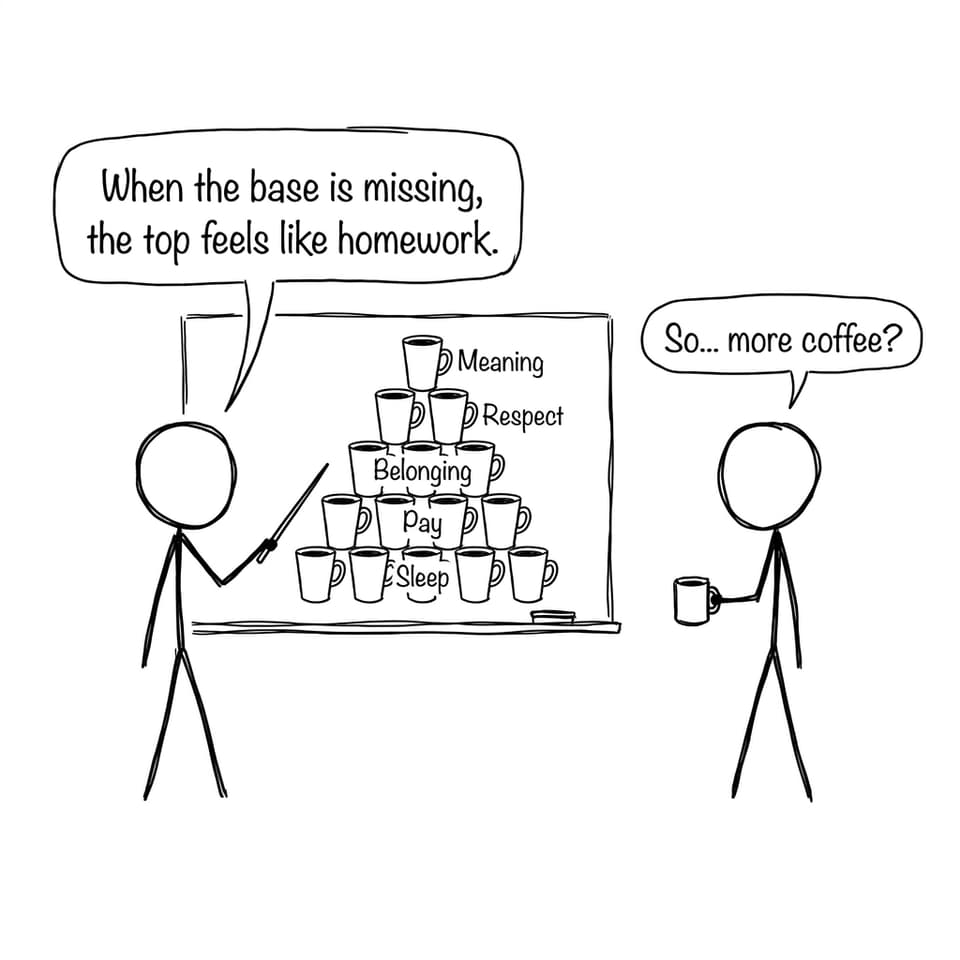
Balance rewards: fair pay plus recognition, autonomy, and purpose.
-
Protect well-being: realistic staffing levels and flexible working where possible.
For broader HR context, connect your answer to How Do HR Decisions Influence the Success of a Business?.
How to turn this into marks in IB Business Management
The best IB Business Management responses do two things: they apply theory, then evaluate.
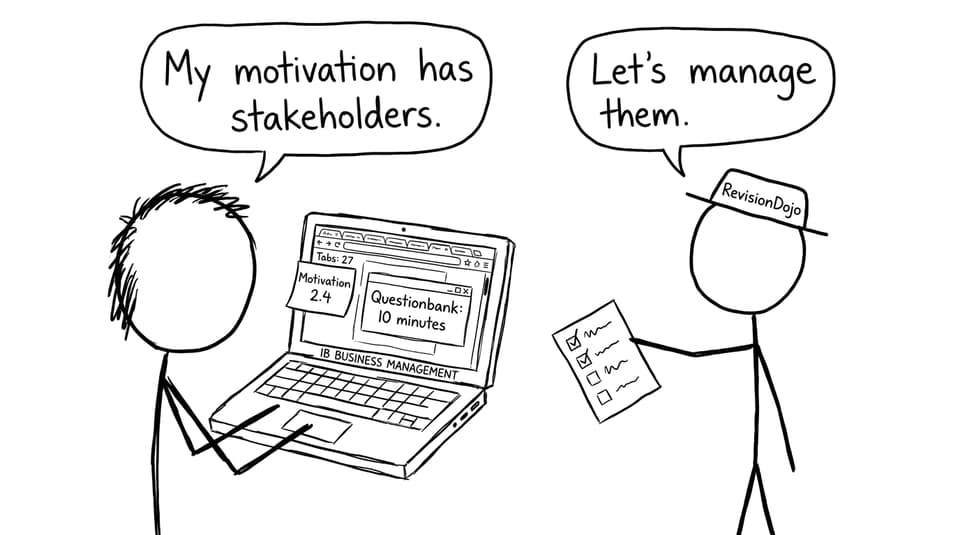
A practical way to train that skill is to practise timed prompts and then check what your answer missed. RevisionDojo makes this easy with the Motivation and Demotivation Questionbank and the wider IB Business Management resources hub.
You can also tighten recall with Flashcards for Unit 2: HR Management and map the whole unit using Unit 2 HR Management: Motivation, Structure, Hierarchy.
Conclusion: motivation is designed, not demanded
Demotivation is rarely a single dramatic moment. It is usually the quiet accumulation of “this doesn’t matter” signals.
For IB Business Management students, the win is learning to diagnose the cause, link it to business performance, and propose realistic prevention. If you want to practise this the way the exam demands, use RevisionDojo’s Questionbank, Study Notes, Flashcards, AI Chat, Grading tools, Predicted Papers, Mock Exams, Coursework Library, and Tutors to turn motivation theory into confident exam writing.
For extra context reading, browse All IB Business Management posts and strengthen your foundations with Understanding IB Business Management.