


A difference that shows up when you’re under pressure
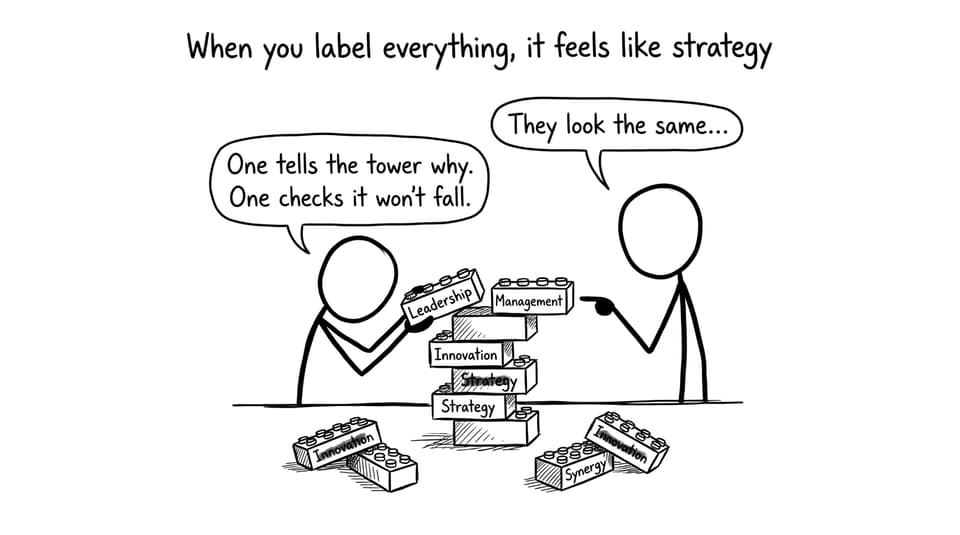
In IB Business Management, leadership and management can feel like twin concepts you’re supposed to define, compare, and move on from. But in real businesses (and in exams), the difference only becomes obvious when something goes wrong: a deadline slips, a team loses motivation, or a change strategy meets resistance. In those moments, “who sets direction” and “who ensures delivery” stop being abstract ideas and start being the entire story.
If you can explain that story clearly, you’ll write answers that sound like a decision-maker, not a note-taker. That’s what IB Business Management rewards.
Quick checklist: leadership vs management
Use this mini checklist in IB Business Management short answers and 10-markers:
-
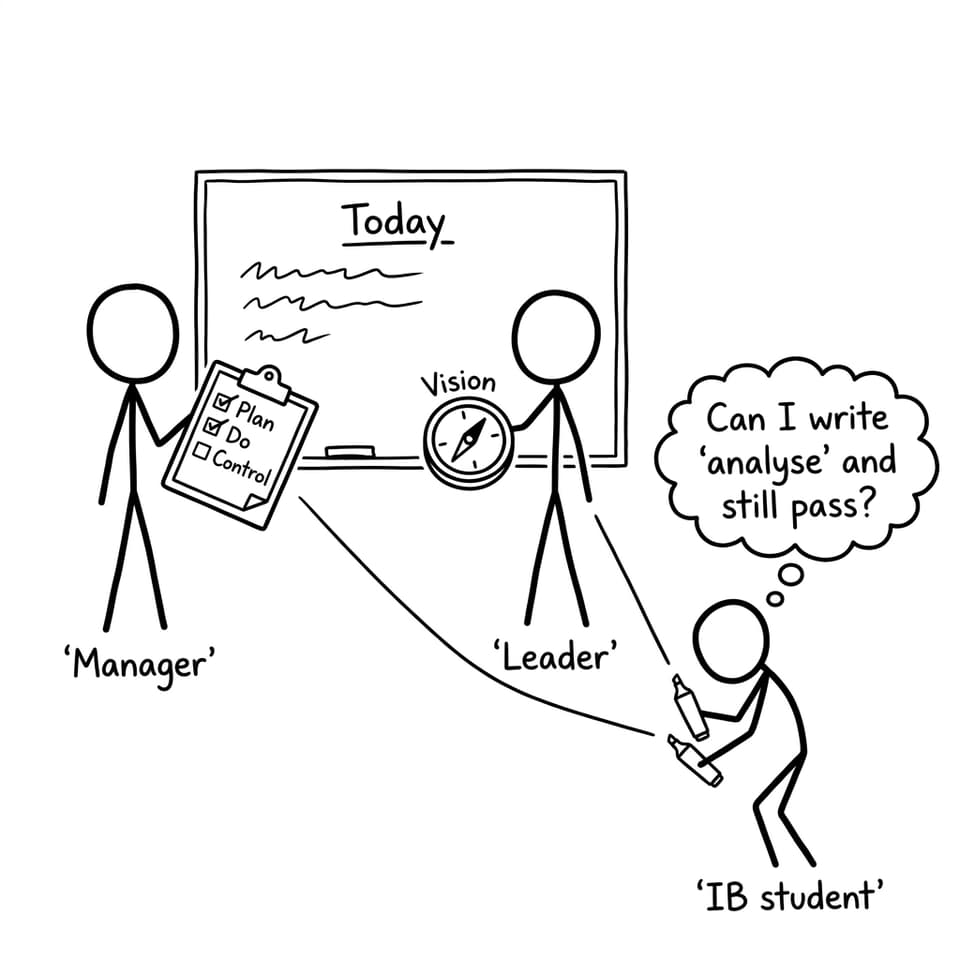
Management: planning, organizing, directing, controlling (PODC), which delivers consistency.
-
Leadership: vision, influence, motivation, which creates meaning and movement.
-
Managers focus on systems and efficiency.
-
Leaders focus on people and change.
-
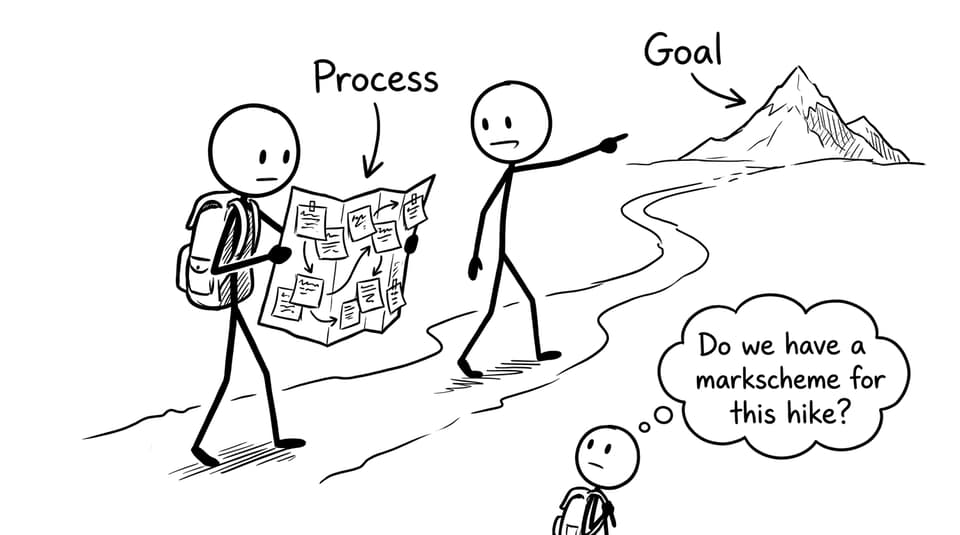
Strong firms need both: execution without vision stalls; vision without execution collapses.
For syllabus-aligned coverage, anchor your revision in 2.3 Leadership and management and the deeper breakdown in 2.3.2 Management and leadership notes.
What management actually does (and how to phrase it)
Management is the “make it work” function. In IB Business Management terms, managers use formal authority to coordinate resources so objectives are met. They plan schedules, allocate budgets, set targets, monitor performance, and correct deviation.
In exam language, management is easiest to score with because it is concrete. You can link it directly to efficiency, productivity, quality, and short-term objectives. If you want a clean structure, treat management as PODC and add one result: lower costs, less waste, fewer errors.
To practise applying this to exam-style scenarios, use the 2.3 Leadership and management Questionbank on RevisionDojo.
What leadership does that management can’t
Leadership is the “make it matter” function. In IB Business Management, leaders influence behavior by shaping culture, building trust, and motivating effort that isn’t forced by a job description.
A leader communicates a direction (what we’re trying to become), then reduces fear around the path to get there. That’s why leadership is closely tied to change, innovation, and long-term goals. It can come from any level in an organization, because it’s not defined by hierarchy; it’s defined by influence.
If you’re revising leadership styles, connect this topic to 2.3.3 Leadership styles and the supporting leadership styles flashcards.
The easiest exam distinction: stability vs change
Here’s a reliable evaluator’s line you can use in IB Business Management:
-
Managers often aim to reduce uncertainty (controls, procedures, predictable output).
-
Leaders often accept managed risk to create improvement (new strategy, new culture, new product direction).
The best answers don’t pick one as “better.” They show the trade-off. For example: tight control can protect quality, but it can also slow innovation. High inspiration can energize teams, but without systems, it can turn into chaos.
When you need broader exam strategy, pair content knowledge with technique via How to maximize your score in IB Business Management and the marking-focused 10 marker rubric guide.
How to use this in a 10-marker (fast)
A simple IB Business Management paragraph pattern:
-
Define leadership and management in one sentence each.
-
Compare using one dimension: people vs tasks, change vs stability, informal vs formal authority.
-
Apply to a business example (even a generic one) with a realistic detail.
-
Evaluate: explain why the business needs both, depending on context (size, pace of change, industry).
If you want a home base that links notes, practice, and tools, start at IB Business Management Resources or scan the topic map in IB Business Management Revision Notes.
Bring it back to your revision plan
The difference between leadership and management in business is simple, but it’s not shallow. In IB Business Management, it’s a reliable way to demonstrate clear definitions, sharp comparison, and balanced evaluation. To lock it in, revise the notes, then practise under pressure: use RevisionDojo’s Questionbank for exam-style prompts, Study Notes for clean explanations, Flashcards for key terms, AI Chat to test your understanding, Grading tools to improve paragraph quality, Predicted Papers and Mock Exams to simulate timing, the Coursework Library for exemplars, and Tutors when you want targeted feedback.
Your goal isn’t to memorize two definitions. Your goal is to explain, calmly and clearly, why a business needs both leadership and management, and how that changes the final decision.


