


In every business story you study, there’s a quiet plot twist: the strategy looks perfect on paper, but results hinge on the humans asked to deliver it.
That’s why, in IB Business Management, HR decisions are never “background admin.” They’re the decisions that determine whether a business can execute its goals, adapt under pressure, and keep customers happy when things get messy. If you remember one exam-ready idea, make it this: HR choices shape performance because they shape people.
IB Business Management snapshot: HR decisions that matter most
Use this as a quick checklist for Paper 1 and Paper 2 responses:
-
Hire the right people (recruitment and selection)
-
Build capability (training and development)
-
Make performance measurable (performance management)
-
Create the conditions for effort (culture, leadership, communication)
-
Keep talent (pay, benefits, well-being, employee relations)
For syllabus-aligned definitions and examples, anchor your revision in Unit 2: HR Management and the role of HRM notes.
Recruitment and selection: success begins before day one
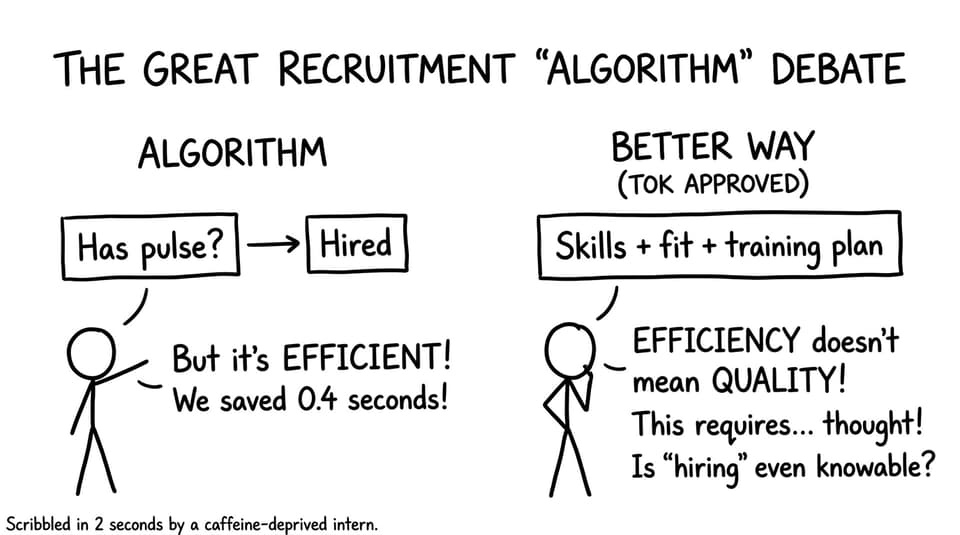
A business can’t “motivate” skills that were never hired. In IB Business Management, recruitment and selection matter because they directly affect productivity, labour turnover, and training costs.
Good HR decisions here reduce mismatches: the wrong person in the wrong role doesn’t just underperform; they often trigger extra supervision, team friction, and re-hiring expenses.
If you want exam practice that feels like the real thing, use the HR management Questionbank and, for HL students, drill hiring strategies with methods of recruitment questions.
Training and development: turning potential into performance
Even strong hires can’t keep pace if skills stagnate. Training improves efficiency, reduces mistakes, and supports innovation. It also signals investment in staff, which can raise motivation and retention.
This links neatly to human resource planning: businesses forecast what skills they’ll need next, then close gaps through hiring, training, or restructuring. Revise that logic with HR planning factors (2.1.2) notes.
To memorise precise terminology (fast), use 2.1 HR flashcards alongside your Study Notes.
Performance management: feedback is a growth system, not a punishment
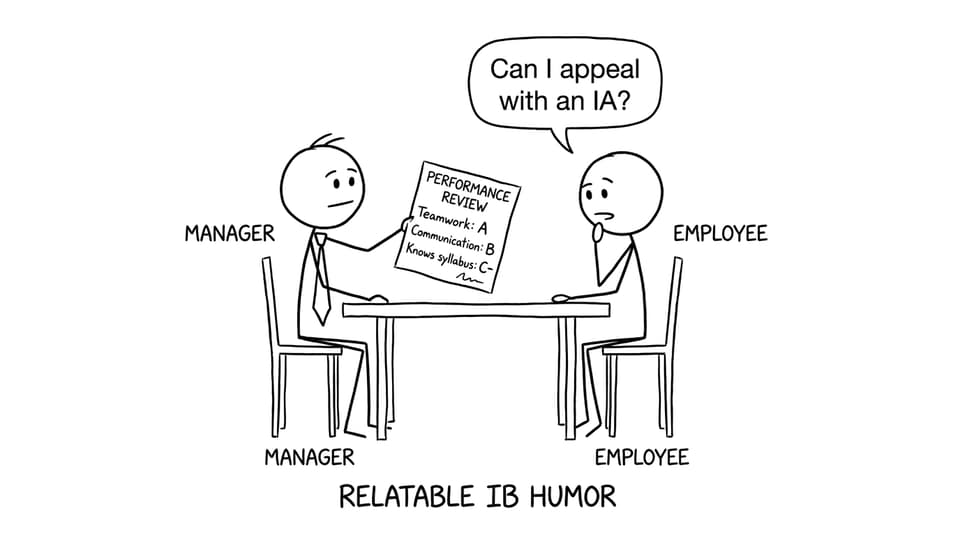
Performance management clarifies expectations and creates accountability. But in IB Business Management, the best analysis goes one step deeper: performance systems shape behaviour.
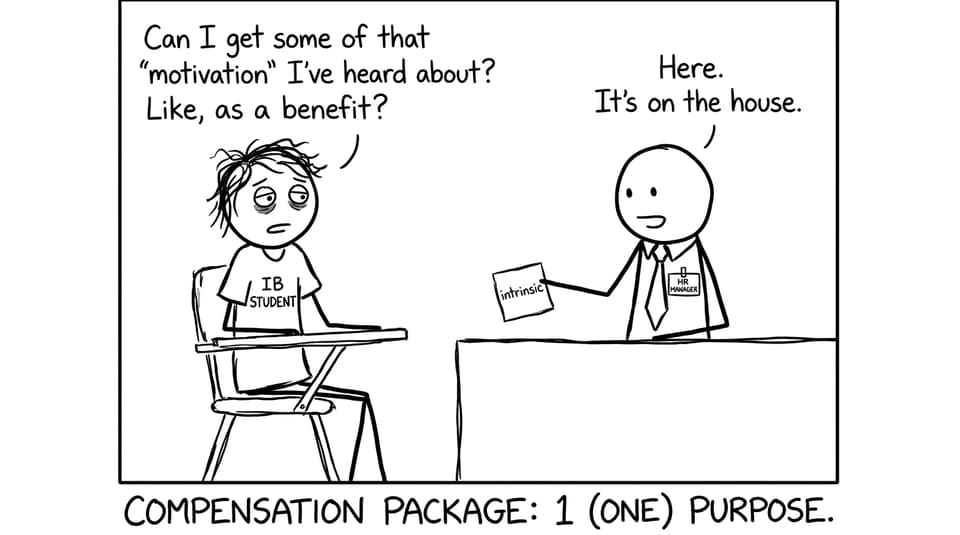
If targets are unrealistic or feedback is vague, employees optimise for survival (doing the minimum, hiding errors). If goals are clear and feedback is regular, employees improve faster and collaborate more.
For a modern extension you can use in evaluation, consider data-driven monitoring and its pros/cons: Digital Taylorism notes.
Culture, pay, and well-being: the invisible forces behind results
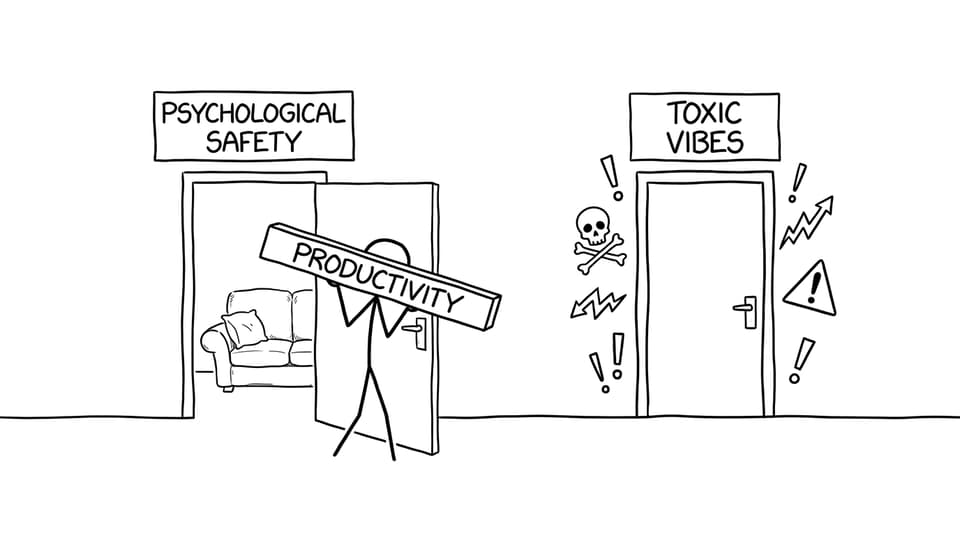
Culture is what people do when nobody is grading them. HR decisions about communication, recognition, flexibility, and conflict resolution quietly determine motivation, service quality, and resilience during change.
Compensation and benefits matter too: pay must be fair and competitive, but also sustainable for the business. Add well-being (workload, safety, work-life balance) and you have a retention engine or a turnover machine.
If you need a wider course link, revisit how HR fits with the other functions in business functions notes.
Conclusion: turn HR theory into exam marks with RevisionDojo
In IB Business Management, HR decisions influence the success of a business because they shape the one resource that touches every other function: people. Recruitment sets the baseline, training raises capability, performance management directs effort, and culture plus well-being determine whether talent stays.
To revise this topic efficiently, use RevisionDojo as your home base: tighten concepts with Study Notes, lock in definitions with Flashcards, pressure-test understanding in the Questionbank, and refine written responses using AI Chat and Grading tools. When you can explain HR decisions clearly and evaluate their impact on performance, you stop “knowing the syllabus” and start thinking like a manager.
Explore more support via the IB Business Management hub and exam strategy in How to Maximize Your Score in IB Business Management.


