Concrete is the kind of product you stop noticing precisely because it works. It holds up bridges you never think about, schools you walk into half-asleep, apartment blocks where entire lives unfold. Then you meet Abraca ABC and the floor shifts a little: not because the company is "about concrete," but because concrete is quietly about the whole world.
The Abraca ABC case context does something clever. It pulls you toward a familiar industry (construction materials) and then turns the page to a second one (e-waste) that feels unrelated until you see the shared thread: scale. Concrete is global scale. E-waste is global scale. And if you can think clearly at that scale, you can write Business Management answers that sound like you understand the real economy, not just the syllabus.

Abraca ABC in one minute: the context you actually need
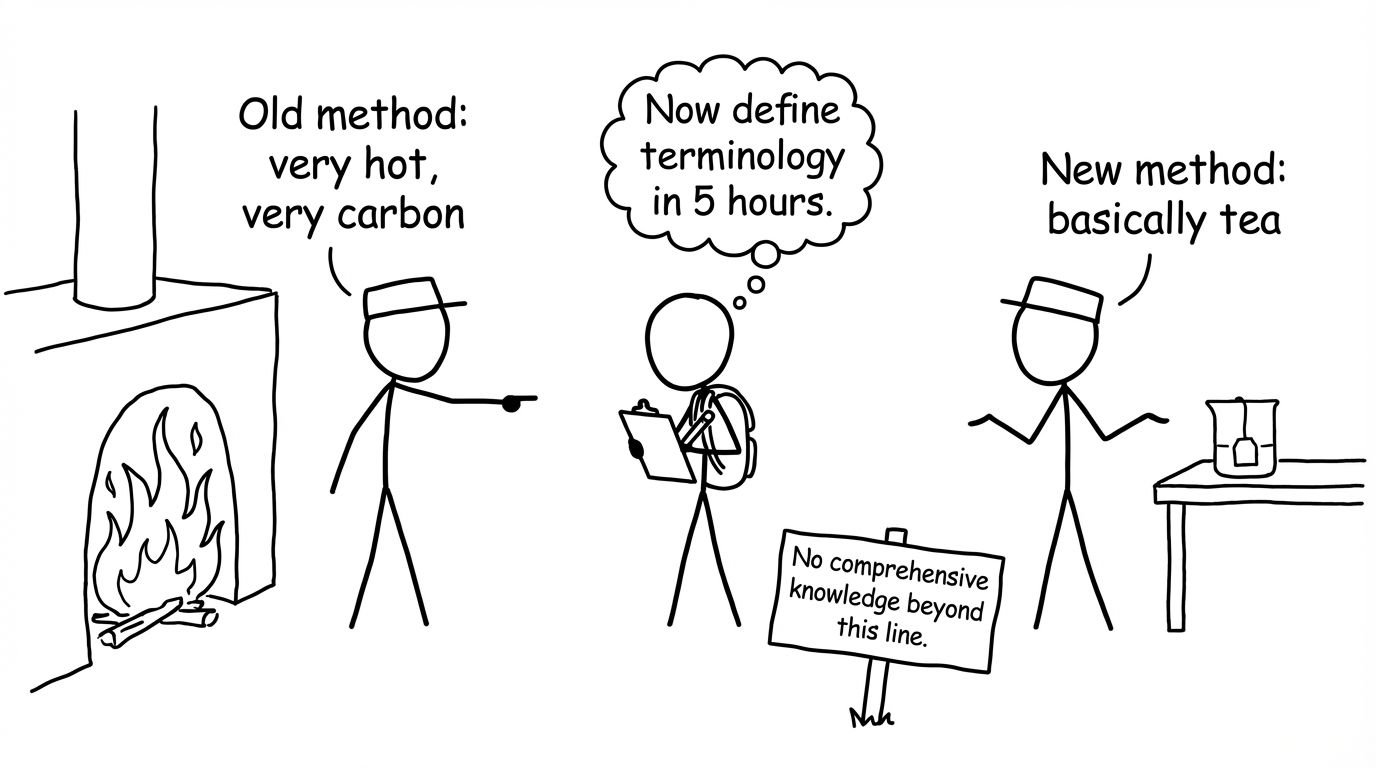
You are not meant to become a cement engineer in five hours. You are meant to build basic familiarity with the topics and terminology so you can apply Business tools to the Abraca ABC situation under exam pressure.
Use this short checklist.
Five-hour research checklist for Abraca ABC
- Define the building blocks: limestone, clay, cement, concrete, aggregates
- Map the value chain: quarrying, cement manufacturing, ready-mix concrete, B2B supply
- Understand why concrete is "carbon-intensive" (especially cement)
- Learn e-waste basics: circuit boards, toxic metals, landfill vs recycling
- Connect it back to strategy: efficiency, environmental impact, market orientation, growth options
If you want a structured place to anchor the Business theory you already know, keep a tab open on IB Business Management resources while you read and revise.
Why concrete is important globally (and why the case starts there)
The case tells you a headline many students quote but few explain: half of the world's buildings are made from concrete. In exam terms, that sentence is a gift. It implies mass demand, wide stakeholder impact, heavy regulation, and huge environmental externalities.
Concrete matters globally for three reasons you can actually use in analysis:
Concrete is the default infrastructure language
Most countries can source the inputs (limestone, clay, aggregates) and train the labour. Concrete is versatile, durable, and relatively cheap per unit of strength. That creates path dependence: once cities, contractors, and governments build around concrete, switching materials becomes slow and politically difficult.
In Abraca ABC, being "Country Z's largest concrete producer" suggests market power, economies of scale, and strong relationships in a B2B market. That matters when you evaluate strategic options like becoming more market-orientated or investing in R&D.
Concrete sits at the centre of the construction supply chain (B2B)
Concrete firms are rarely consumer brands. They are suppliers to construction companies, governments, and large developers. That changes marketing: relationship selling, tendering, reliability, delivery times, and quality assurance matter more than flashy promotion.
If you need to refresh how Business frameworks apply in a grounded way, RevisionDojo's BM Toolkit notes are a quick way to re-load SWOT, STEEPLE, and Ansoff language before you apply it to Abraca ABC.
Concrete is a climate problem hiding in plain sight
The case uses the phrase "carbon-intensive," and you should treat that as a keyword that unlocks Ethics and Sustainability analysis. Cement production requires high heat and releases CO₂ both from fuel use and the chemical process itself. Even if you don't cite numbers, you can still make high-quality points about:
- regulatory pressure (carbon taxes, emissions caps)
- stakeholder expectations (communities, governments, investors)
- competitive advantage via greener processes
This is where the Abraca ABC narrative becomes interesting: the company is exploring recycled aggregates, which is both operations innovation and sustainability strategy.
From aggregates to e-waste: why Abraca ABC's twist makes business sense
A good case study surprise is never random. It feels random only until you remember what companies do when their core industry gets squeezed: they look for optionality.
Abraca ABC begins with concrete and ends up with circuit boards because R&D often works like that. You're trying to solve one operational problem (new aggregates), and you find a second business model (recovering precious metals) hiding next door.
What the e-waste discovery signals in Abraca ABC
For Business Management, the "room temperature" metals recovery detail is less about chemistry and more about strategy:
- Lower energy use can reduce costs (improving margins)
- Lower emissions supports CSR positioning and reduces regulatory risk
- A new revenue stream (gold sales) diversifies income
- A new operations capability (e-waste processing) raises questions about focus and risk
This is exactly the kind of link examiners reward: taking a single fact and translating it into operations, finance, marketing, and strategy consequences.
The global e-waste context: the externality problem you can apply
The case gives you two numbers that function like a mini data set: 50 million tonnes of e-waste each year, and only 20% recycled.
Those figures suggest systemic market failure. If recycling were fully profitable at current prices and rules, more firms would do it. So what's stopping it? In Business terms, you can discuss:
- negative externalities (landfill and toxic metals costs pushed onto society)
- imperfect information (consumers and firms not tracking disposal)
- weak enforcement (regulation exists but is inconsistent)
- logistics complexity (collection, sorting, processing)
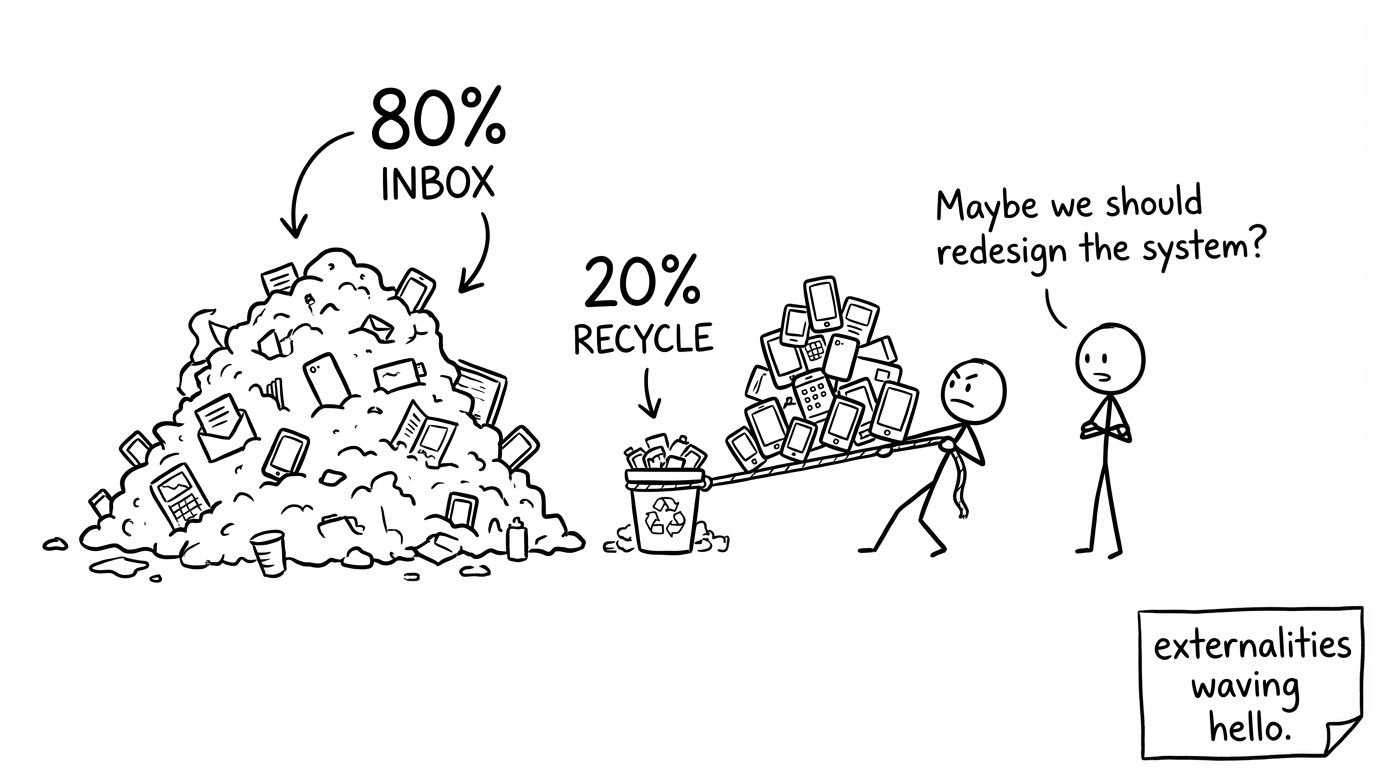
In Abraca ABC, the e-waste factory processes 100 tonnes weekly. That's meaningful but still tiny compared to global volume, which sets up evaluation: growth opportunity, but also capacity constraints, supply reliability, and reputational risk if inputs include hazardous waste.
How to write better answers: connect Abraca ABC to core Business tools
You are being assessed on "important contemporary business topics," but the move is still the same: apply the syllabus tools with sharper context.
SWOT analysis that doesn't feel generic
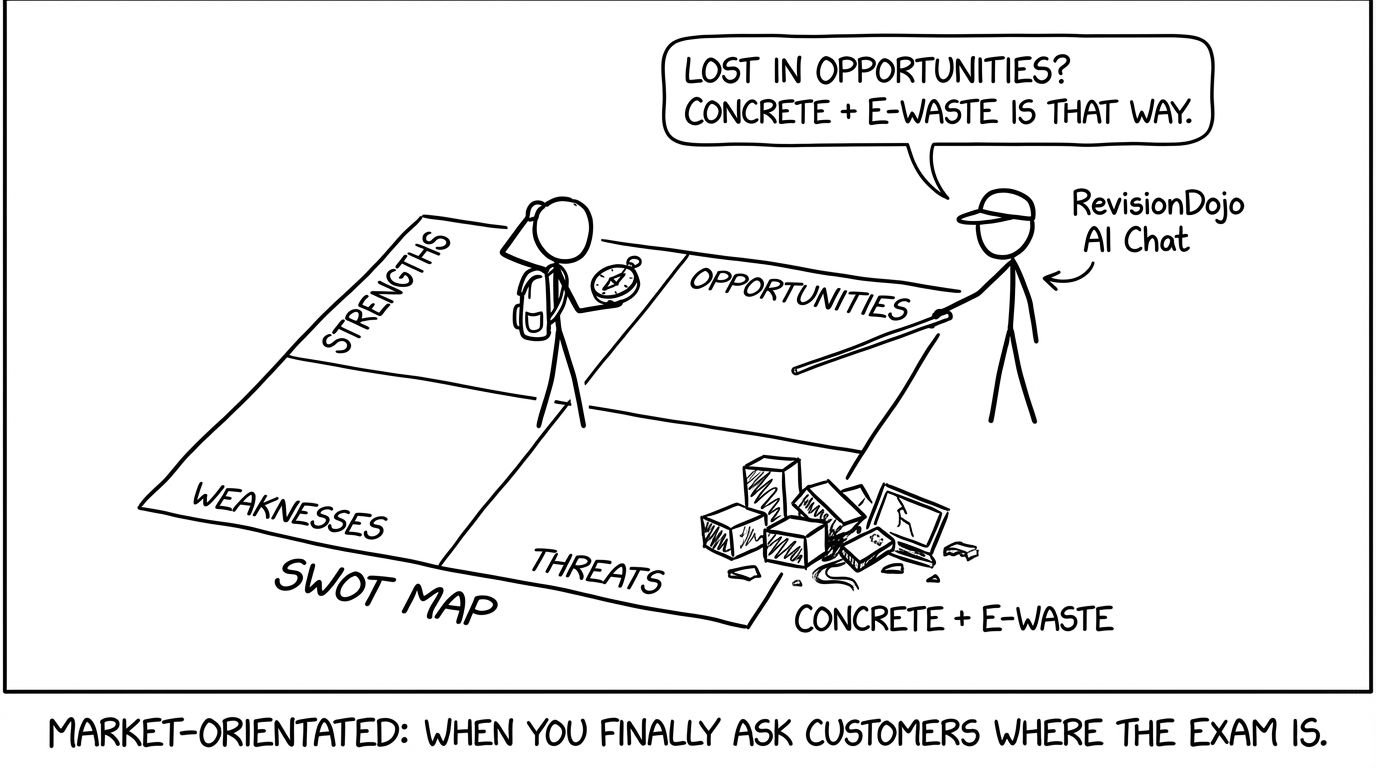
A strong Abraca ABC SWOT might include:
- Strengths: scale as Country Z's largest producer, R&D capability, diversified revenue via gold recovery
- Weaknesses: carbon-intensive core operations, potential lack of consumer-facing marketing capability, operational complexity across two industries
- Opportunities: greener concrete, circular economy positioning, B2B partnerships, new markets for recycled aggregates
- Threats: regulation, public backlash to emissions or e-waste handling, competitors innovating faster, volatile commodity prices for gold
If you want to drill the structure and language of evaluation quickly, use RevisionDojo's IB Business Management questionbank to practise writing concise SWOT-based judgments.
Ansoff and growth options in Abraca ABC
The case literally says "growth options," so be ready to classify them:
- Market penetration: sell more concrete in Country Z via efficiency and pricing
- Product development: low-carbon concrete mixes, recycled aggregates
- Market development: export concrete/cement or license the metals recovery process
- Diversification: scale e-waste processing, enter adjacent recycling segments
When you practise full Paper-style responses, RevisionDojo's IB Business Management predicted papers are designed to simulate timing and command terms, with Jojo AI grading to show what your evaluation is missing.
Operations management: efficiency is a strategy, not a footnote
"Increasing efficiencies" is not just about reducing waste; it's about building resilience in a carbon-constrained world. Efficient plants can:
- lower unit costs (helping competitiveness)
- reduce emissions per tonne (helping sustainability outcomes)
- free up cash for R&D or growth investments
To sharpen operations vocabulary fast, RevisionDojo's lean production notes help you bring in Kaizen, JIT, and waste reduction without sounding memorized.
Market orientation: what it might mean in a B2B concrete business
"Becoming more market-orientated" can sound strange if you imagine concrete as a commodity. But in B2B markets, market orientation often means:
- listening to contractors' pain points (delivery reliability, quality consistency)
- offering tailored mixes or technical support
- building long-term contracts and partnerships
- using market research to anticipate regulation and green procurement rules
If you need a quick refresher on how to talk about research methods and limitations, try RevisionDojo's market research questionbank practice.
A fast terminology bank for Abraca ABC (learn it like a strategist)
You don't need exhaustive definitions. You need exam-usable ones.
- Aggregates: materials like crushed stone, sand, or recycled inputs mixed into concrete
- B2B: business-to-business selling, typical for concrete producers
- Carbon-intensive: producing high emissions per unit output (cement is a key driver)
- Circuit boards: components in electronics containing valuable and toxic metals
- E-waste: discarded electronics, a growing global waste stream
- Landfill: disposal site, often linked to negative externalities and stakeholder pressure
- Recycling: reprocessing waste into usable inputs, central to circular economy strategy
- Solar panels / plastic-shredding machinery: signals of broader green tech and recycling operations
How RevisionDojo turns Abraca ABC prep into marks
A case like Abraca ABC rewards students who can stay calm, define terms cleanly, and apply tools precisely. That's why RevisionDojo is built like a full IB system, not a pile of resources.
- Use Study Notes to rebuild the theory quickly
- Use Flashcards to lock in terms like aggregates, carbon-intensive, and B2B
- Use the Questionbank to practise application and evaluation under command terms
- Use AI Chat (Jojo) to ask "How would a 10-mark answer evaluate this?" and refine your structure
- Use Grading tools to get rubric-aligned feedback on longer responses
- Use Predicted Papers and Mock Exams to simulate the final exam feeling without guessing
- Use the Coursework Library to see what strong Business writing looks like (useful for clarity and structure)
- Use Tutors if you need rapid feedback loops in the weeks before the exam
If you want an example of how RevisionDojo breaks down case context into usable Business themes, see the IB N24 Business Management case study breakdown.
FAQ: Abraca ABC case context
What does "concrete is important globally" really mean for Abraca ABC answers?
It means you should treat concrete as a foundational industry with unusually large ripple effects. When you write about Abraca ABC, you can connect concrete demand to population growth, urbanization, and government infrastructure spending without needing detailed statistics. It also means the stakeholder map is big: governments, communities near quarries, construction firms, and future city residents all matter. Most importantly, global importance implies global scrutiny. If half of buildings use concrete, then decarbonizing concrete becomes a priority issue, which strengthens any evaluation about environmental impact. In an exam response, that lets you justify why ABC's efficiency and sustainability options are strategic, not cosmetic.
How should I use the e-waste details without going beyond the five-hour limit?
Use the e-waste details as context cues, not as a research rabbit hole. The case gives you enough to analyze: huge global volume, low recycling rate, and the difference between a high-temperature process and a room-temperature process. From those facts, you can discuss cost structure, CSR positioning, and regulatory pressure. You can also evaluate operational risks: hazardous inputs, supply consistency of circuit boards, and reputational risk if waste handling is poor. You do not need deep chemistry or global policy history. The exam is testing whether you can apply Business logic to contemporary issues, and Abraca ABC hands you the logic in the wording.
What Business Management tools fit Abraca ABC best in Paper 1 style responses?
SWOT is the obvious one, but it should be grounded in the concrete and e-waste facts, not generic statements. Ansoff is useful because the case explicitly mentions growth options and because e-waste processing can be framed as diversification. STEEPLE can strengthen evaluation by showing how political regulation (environment), social pressure (ethics), and technological change (room-temperature recovery) interact. Operations tools like lean production and continuous improvement help you discuss "increasing efficiencies" with precision. Finally, always end with a judgment: which option best aligns with ABC's objectives, resources, and constraints. That final judgment is often what separates a good answer from a top-band one.
Closing: Abraca ABC is really a story about scale
Concrete is important globally because it is the physical memory of human ambition. Cities rise, roads stretch, and everything looks permanent until you notice the costs that were postponed: emissions, land use, waste, and the uncomfortable truth that "throwing away" has never meant "gone."
That is the quiet power of Abraca ABC. It asks you to see a concrete producer not as a dull manufacturer, but as a business sitting at the intersection of infrastructure and sustainability. If you can hold that intersection in your mind, the exam stops being about recalling definitions and becomes about making decisions with incomplete information.
When you're ready to turn Abraca ABC context into high-scoring application, use RevisionDojo's IB Business Management hub, practise with the questionbank, and pressure-test your evaluation with predicted papers. Then walk into the exam with the calm feeling that you're not just revising a case study. You're learning how the world actually works.
Abraca ABC is the name on the page. But the real topic is global scale -- and your ability to think clearly inside it.