

The moment you stop guessing your IB MYP score improves
Most IB MYP students don’t panic because the work is hard. They panic because the grading feels invisible. You finish an assessment thinking you “did fine,” then a 4 or 5 appears and it’s not obvious what to change.
Here’s the calmer truth: the IB MYP is one of the most learnable grading systems out there, because it’s built on clear criteria. Once you understand how an IB MYP score is constructed, a “good” score stops being a mystery and becomes a repeatable outcome.
Quick checklist: what to know about IB MYP grading
-
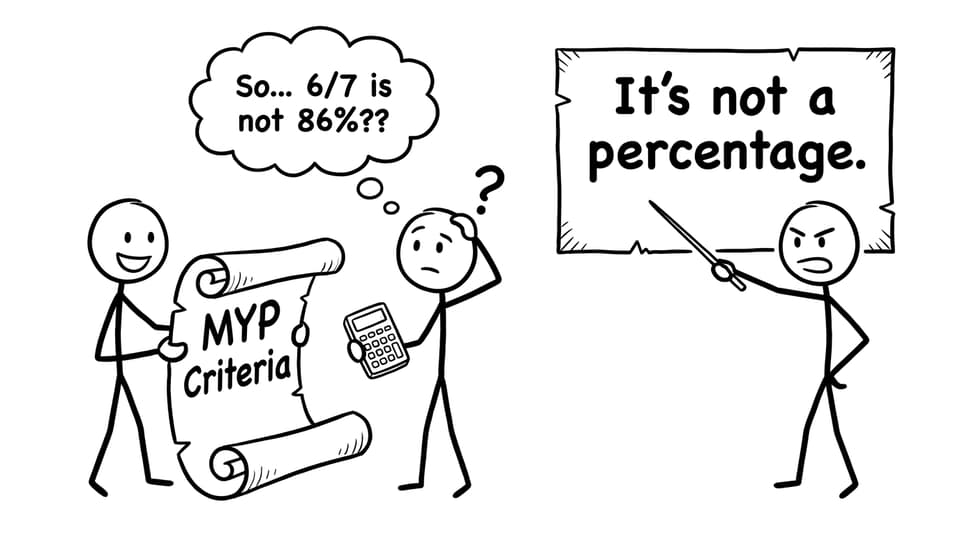
The IB MYP uses criterion-related assessment (you’re judged against descriptors, not classmates).
-
Most subjects have four criteria (A--D).
-
Each criterion is scored from 0 to 8.
-
Criteria scores are added to a total out of 32.
-
That total is converted into a final grade from 1 to 7 using grade boundaries (your school applies these).
If you want the full model with examples, see How Are MYP Students Graded? Criteria Explained.
How the IB MYP score actually works (in plain language)
Think of your IB MYP subject grade like four separate skill snapshots. In Sciences, for example, you might be strong at processing data (one criterion) but weaker at explaining concepts precisely (another criterion). The MYP is designed to show that difference.
That’s why trying to “write more” or “revise harder” doesn’t always move your grade. What moves your grade is proving the specific skill a criterion is asking for.
To understand why rubrics matter so much, read Creating Rubrics Aligned with IB Criteria in the MYP.
What is a good IB MYP score?
A good IB MYP score depends on your goal, but these are helpful anchors:
-
4: Satisfactory. You met the basics, but there are clear gaps in criterion evidence.
-
5: Often considered strong. You’re consistently meeting expectations and showing competent skill.
-
6: Very strong. You’re using knowledge accurately and applying it in a controlled, purposeful way.
-
7: Excellent. You’re producing top-band evidence across criteria, not just getting things “mostly right.”
If you’re comparing MYP to later IB Diploma expectations, What MYP Grades Mean and How They Compare to IB DP makes the differences clearer.
How to raise your IB MYP score without studying longer
Translate criteria into actions
Before you start, write one sentence: “To get 7--8, my work must show…” Then list 2--3 visible things a teacher can point to.
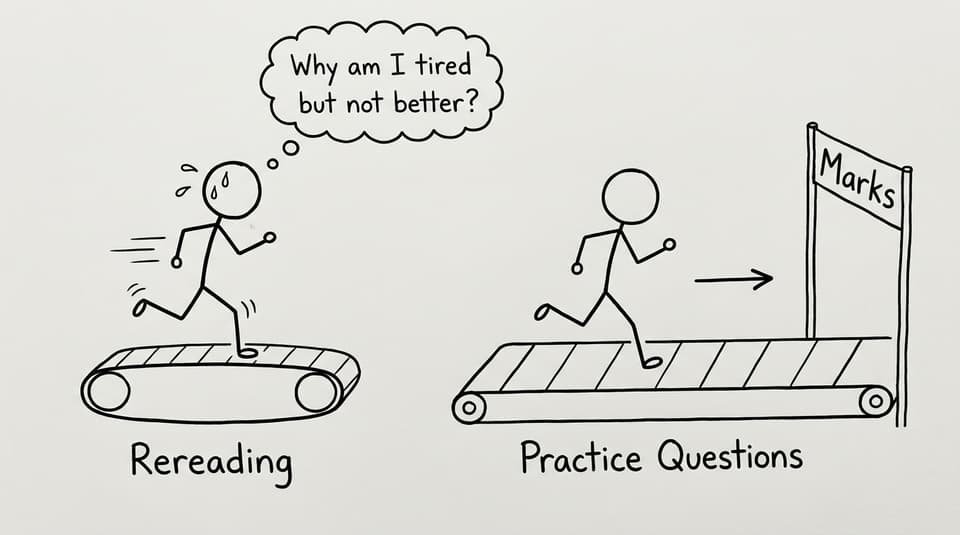
Practice the way the IB grades
Use high-quality questions, then mark with criteria language. RevisionDojo’s Questionbank is built for this practice-first loop.
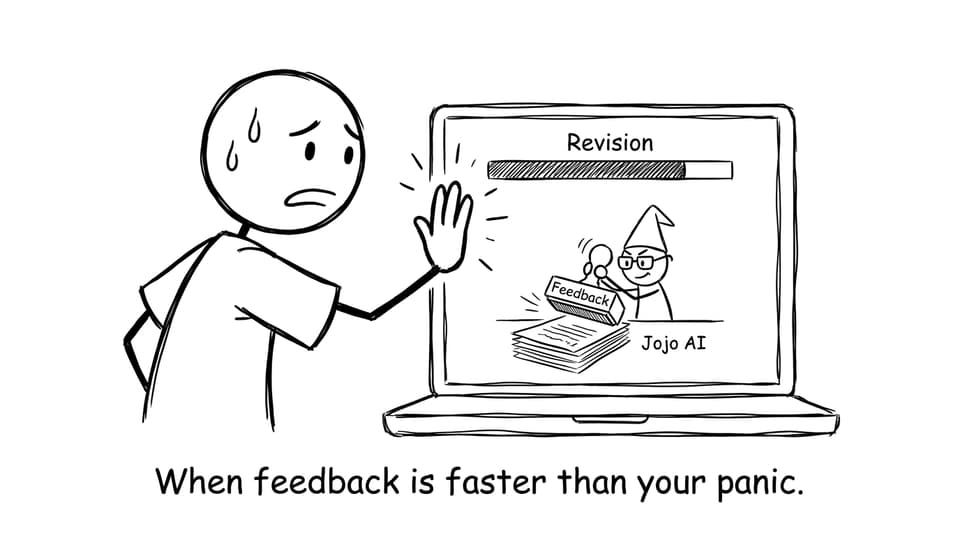
Short feedback loops beat long revision sessions
Do a timed set, review errors, rewrite one response. If you need strategy and routines, use MYP eAssessments: 30-Day Study Plan That Works.
Use the right tool for the right bottleneck
RevisionDojo is strongest when you stop treating resources like a pile and start treating them like a system:
-
Study Notes to rebuild understanding fast
-
Flashcards to keep recall alive
-
AI Chat to get unstuck and test misconceptions
-
Grading tools to see what your writing is missing
-
Mock Exams and Predicted Papers to build timing and calm under pressure
-
Coursework Library to model structure
-
Tutors when you need a human plan, not more motivation
Start from the MYP hub and keep everything consistent.
Final thought: a good IB MYP score is built, not wished for
A good IB MYP score isn’t about being “smart enough.” It’s about understanding what the criteria reward, then practicing until you can produce that evidence reliably.
If you want that process to feel simpler, build your routine inside RevisionDojo: start with the MYP hub, drill with the Questionbank, tighten recall with Flashcards, get unstuck with AI Chat, and use Grading tools, Mock Exams, Predicted Papers, the Coursework Library, and Tutors when you need the next step to be obvious. Your IB progress becomes easier to measure when your practice matches the way you’re assessed.