
IB Language B can feel like a strange mirror: you know the language well enough to survive, but the exam asks you to perform it on demand. One day you sound fluent. The next day your brain forgets the word for “however” and replaces it with panic.
That’s why understanding IB Language B as a system (not just a subject) matters. Once you know what the course is really testing, your revision becomes calmer, more targeted, and much easier to repeat.
What IB Language B is (and who it’s for)
IB Language B is a Group 2 language acquisition course in the IB Diploma Programme. It’s designed for students who already have experience in the language and want to develop practical proficiency: reading, listening, writing, and speaking, plus cultural understanding.
If you want a fast overview of what’s assessed and how to prepare, this breakdown is a strong starting point: IB Language B Syllabus: Breakdown & Study Strategy.
Quick checklist: what to master for IB Language B
-
Know the five prescribed themes (and collect topic vocabulary for each)
-
Practice text types and register for writing
-
Train receptive skills: reading for gist + listening for signposts
-
Build a repeatable plan for the Individual Oral
-
Do timed practice and review errors like data
RevisionDojo helps you keep this organized with Study Notes, Flashcards, AI Chat, and Grading tools, so your practice turns into measurable improvement.
IB Language B course structure: SL vs HL
Both levels share the same core goal: communicate clearly in real contexts. The difference is depth and demand.
-
SL focuses on building solid competence across skills.
-
HL adds greater complexity, including more intensive analysis and typically a stronger emphasis on literary texts.
To see the exam flow and timing expectations in one place, use: IB Language B Exams: Format, Timing, Strategy.
Assessments in IB Language B (what actually gets graded)
Individual Oral (internal assessment)
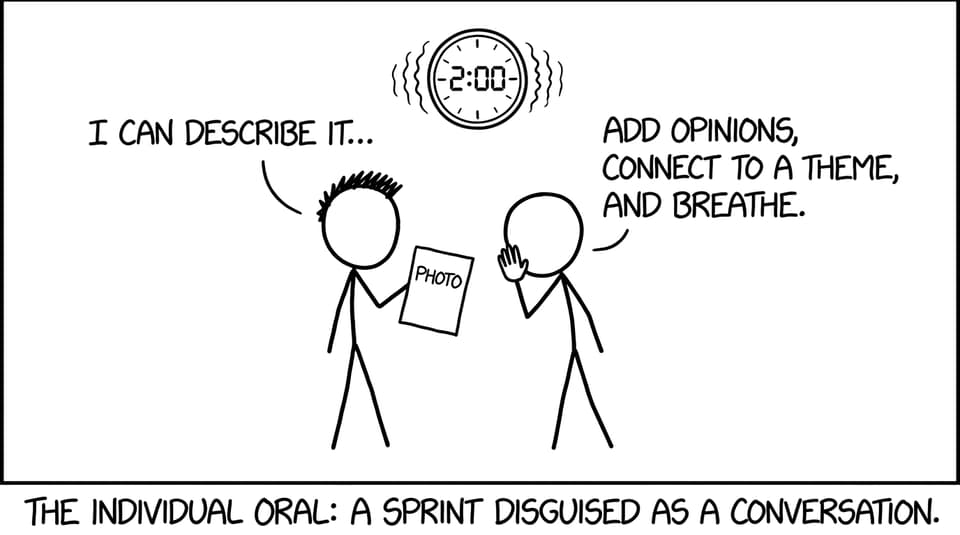
The IB Language B Individual Oral is where many students lose easy marks by over-describing the stimulus and under-developing ideas. A simple fix is to practice moving from description to interpretation, then linking to a prescribed theme and culture.
Try this guide for a practical routine: 10 Proven Tips for the IB Language B Oral Exam.
Writing (Paper 1)
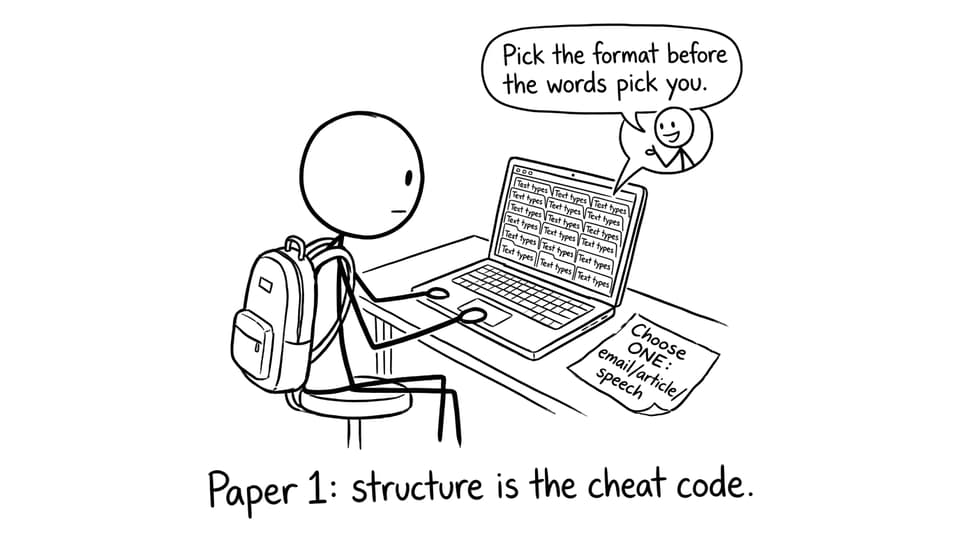
Paper 1 rewards students who treat structure like a tool. In IB Language B, knowing the conventions of common text types (email, blog, article, speech, diary entry) often matters as much as grammar accuracy.
Use RevisionDojo’s writing support here: A Comprehensive Guide to the IB Language B Paper Format and How to Master Language B Writing Through Practice.
Reading and listening (Paper 2)
Paper 2 is less about knowing every word and more about staying calm while extracting meaning. The best IB Language B students train for “gist first, details second,” and learn to spot signal words.
For strategy and timing comparisons, see: IB Language B Paper 1 vs Paper 2: Timing and Strategy.
How to revise IB Language B without burning out
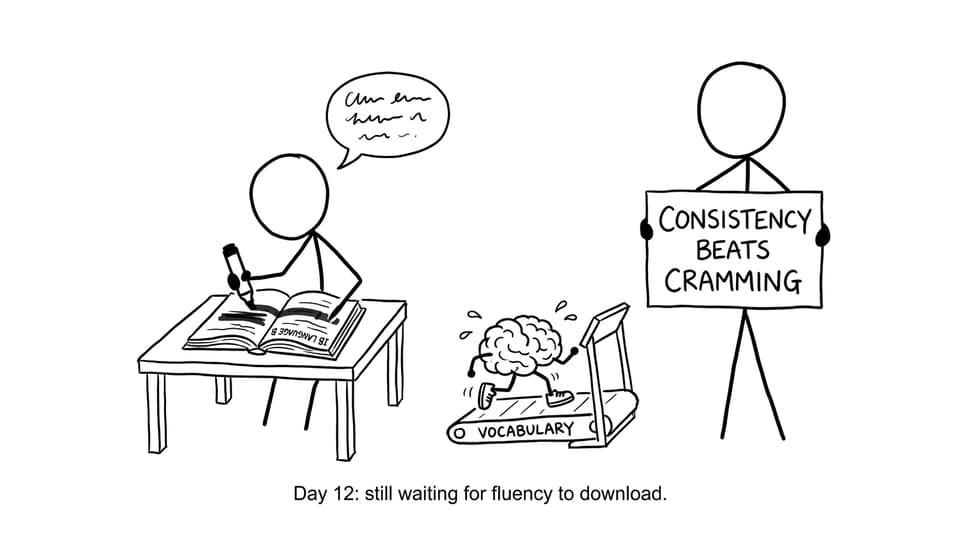
Language grows through small repetitions, not heroic weekends. A realistic routine is:
-
10-15 minutes vocab review (RevisionDojo Flashcards)
-
10 minutes listening or reading (short, consistent)
-
2x per week: one timed writing or oral recording
-
Weekly review using AI Chat feedback or Tutors when you need a human reset
A practical skill-based roadmap is here: How to Effectively Revise for Language B Exams.
Conclusion: make IB Language B predictable
The students who score highest in IB Language B aren’t always the most “naturally fluent.” They’re the ones who make the exam predictable: themes, text types, timing, and a feedback loop.
If you want one home base for that loop, RevisionDojo brings it together with a Questionbank, Study Notes, Flashcards, AI Chat, Grading tools, Predicted Papers, and Mock Exams; plus a Coursework Library and Tutors when you want direct support. Build the habit, then let the habit carry you into exam day.
Further official course details: IBO Language B Guide