
A disappointing IB result can make a family kitchen feel like a courtroom. The score sits on a screen. Your child waits for a reaction. You may be trying to calculate university consequences while also searching for the one sentence that will not make everything worse.
The most helpful response is simpler than it feels: reassure your child that the result does not change their worth, listen before offering solutions, and wait until the first emotional wave has passed before discussing remarks, retakes, or alternative routes. There may be time-sensitive decisions ahead, but the first conversation should create safety rather than pressure.
Talking about IB failure or retakes is not about pretending the result does not matter. It is about separating a real academic setback from a permanent judgment about the student.
A calm first-response checklist
If results are lower than expected, begin here:
- Pause before analysing. Give your child room to react.
- State what has not changed. They remain loved, respected, and supported.
- Avoid comparisons. Friends' scores provide no useful context.
- Protect their privacy. Ask before sharing the result with relatives or family friends.
- Write down the facts. Record subject grades, total points, core results, and diploma status.
- Contact the IB coordinator. Ask about boundaries, available result enquiries, deadlines, fees, and retake arrangements.
- Check university implications directly. Do not assume that a missed condition automatically closes every route.
- Delay the grand plan. Decide the next practical action, not the next five years.
This sequence matters. Emotional steadiness makes better academic decisions possible.
What to say when the result first arrives
A child who sees a disappointing result may already be telling themselves a harsh story: I have failed everyone. I have ruined my future. I was never capable enough. A parent does not need to endorse that story in order to acknowledge the pain behind it.
Try language such as:
- “I can see how disappointing this is.”
- “You do not have to solve everything today.”
- “This result does not change what we think of you.”
- “When you are ready, we will look at the options together.”
- “Would you like me to listen, help with the practical steps, or give you some space?”
That final question is especially useful. Parents often offer logistics when a teenager needs comfort, or reassurance when they are ready for concrete information. Asking prevents support from becoming guesswork.
Avoid immediate statements such as “You should have studied more,” “At least your friend did well,” or “It is not a big deal.” The first turns disappointment into accusation. The second adds shame. The third dismisses something that may feel enormous to your child, even if alternative routes eventually make it manageable.
For more guidance on remaining supportive without increasing the emotional temperature, see how to support an IB student during exam season.
Separate the student from the IB result
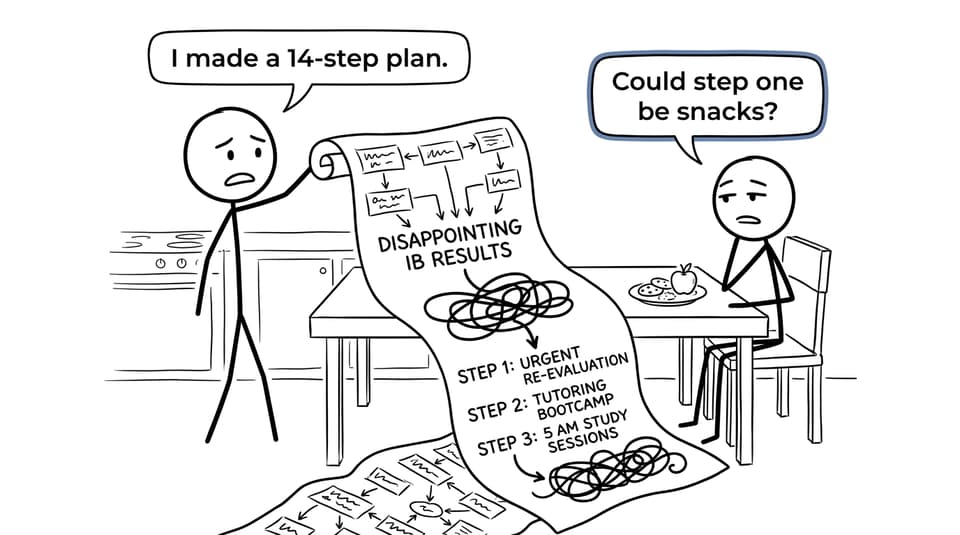
Language becomes identity surprisingly quickly. “I did not receive the result I needed” describes an event. “I am a failure” describes a person. Those sentences may sound similar in an emotional moment, but they lead in different directions.
Help your child describe what happened precisely. Did they miss the overall diploma conditions? Was one Higher Level grade below a university requirement? Did the result differ sharply from school performance? Is a single component creating the problem?
The IB Diploma generally requires at least 24 points as well as several additional conditions involving subject grades, Higher Level and Standard Level totals, the core, and CAS. Therefore, the total score alone does not always explain why the diploma was or was not awarded. RevisionDojo's guide to what happens after failing IB can help families understand the distinction before deciding what to do.
Precision reduces shame because it turns a verdict into a problem that can be examined.
Move from emotion to accurate information
Once your child is ready, make the IB coordinator the first formal point of contact. Ask for a clear explanation of the result and the options available through the school.
Useful questions include:
- How close was each relevant result to the next grade boundary?
- Would an Enquiry Upon Results be reasonable?
- What are the applicable risks, fees, and deadlines?
- Which school can register the student for a retake?
- Has the subject curriculum changed since the original examination?
- Could the timing affect university entry or another application?
An Enquiry Upon Results, often informally called a remark, must be requested through the school. Depending on the service and outcome, a mark may increase, remain unchanged, or decrease. It should therefore be considered with the coordinator using boundary information and the student's actual objective, not requested simply because the result feels unfair. The RevisionDojo guide to IB remarks explains this decision more fully.
If a university place is involved, your child should also contact the admissions office promptly. A near miss, a pending enquiry, or a planned retake may be handled differently by different institutions. Ask rather than assume.
How IB retakes work
The IB currently allows candidates to retake a subject in a future examination session. Registration must be handled through an IB World School offering the relevant programme, and a school is not obliged to accept a retake candidate. Fees and administrative arrangements are determined through the registering school.
When a subject is retaken to improve a result, the higher grade contributes toward the diploma. However, if the curriculum has changed, the student may need to prepare for the newer curriculum. These details are why an early conversation with the coordinator matters.
A retake may be worth considering when it could:
- satisfy an outstanding diploma condition;
- meet a university or programme requirement;
- strengthen a future application in a meaningful way; or
- provide a realistic route toward a goal the student still wants.
It may be less suitable when the student no longer needs the result, the timing disrupts a better alternative, or their wellbeing would be harmed by returning immediately to the same pressure. The right question is not “Can we erase this score?” It is “What would a retake change, and is that change worth the cost?”
For a practical overview, read RevisionDojo's calm guide to IB retakes.
Decide whether a retake is recovery or repetition
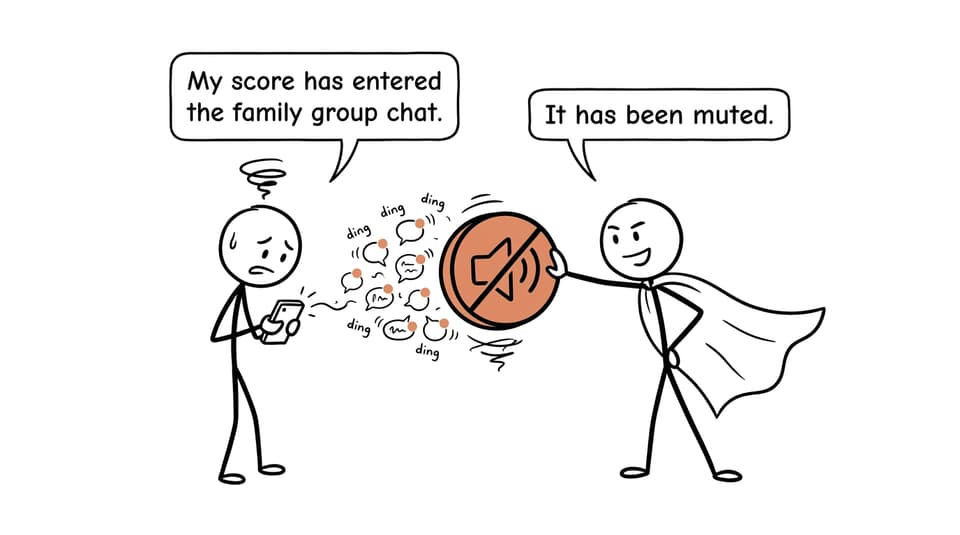
Retaking without changing the preparation system can recreate the original problem. Before building a timetable, help your child identify what limited the first result.
There are usually several possible categories:
| Possible barrier | Useful response |
|---|---|
| Missing subject knowledge | Rebuild specific weak topics rather than restarting everything |
| Weak recall | Use short, repeated retrieval sessions and flashcards |
| Misreading command terms | Practise translating each command term into the required action |
| Poor timing | Complete progressively longer timed sections |
| Weak written structure | Seek criteria-based feedback and rewrite selected responses |
| Anxiety or exhaustion | Reduce workload, restore routines, and involve appropriate support |
The purpose of this review is not to assign blame. It is to make the second attempt genuinely different. A student struggling with burnout needs a different intervention from one who understood the content but repeatedly ran out of time. Parents who notice withdrawal, persistent fatigue, disrupted sleep, or severe negative self-talk may also find the guide to supporting an IB student with burnout useful.
Support without taking control
IB diploma parents often face a difficult balance. You may be paying fees, communicating with the school, and worrying about deadlines. Yet your child needs enough ownership to make a sustainable decision.
Try dividing responsibilities explicitly. Your child might decide whether the original goal still matters and commit to the study plan. You might help schedule the coordinator meeting, record deadlines, or review a university email. The coordinator can clarify official arrangements. A teacher or tutor can diagnose subject-specific weaknesses.
Hold one planned weekly check-in rather than asking about revision every evening. Questions such as “What did this week's practice reveal?” or “What support would make next week easier?” invite reflection. “How many hours did you do?” often rewards visible effort without showing whether learning improved.
If your child is still preparing for their first examination session and fears failure, the same principle applies. Focus on the next controllable behaviour rather than debating every possible result. Practical strategies for managing IB exam stress can turn a vague fear into a smaller plan.
When IB stress needs more support
Parents asking “Is IB too stressful?” are often asking whether their child's current distress is normal. Some pressure around examinations and results is expected. Persistent distress that interferes with sleep, eating, school attendance, concentration, relationships, or ordinary daily activities deserves attention.
Do not make academic performance the condition for receiving help. Speak with the school's pastoral team, counsellor, coordinator, or an appropriate healthcare professional. If your child talks about self-harm, suicide, or not wanting to be alive, treat it as urgent and seek immediate local crisis or emergency support.
Revision can wait. Safety cannot.
The RevisionDojo guide to supporting a child with IB anxiety offers additional signs to watch for and supportive steps for home.
Suggest a concrete, low-pressure next step
“Try harder” sounds like advice, but it contains no method. After a disappointing result, a better suggestion is small enough to test: choose one weak topic, review it briefly, attempt a focused question set, examine the feedback, and decide what needs to change.
RevisionDojo gives students one place to run that loop. Study Notes can rebuild a concept, Flashcards support retrieval, and the Questionbank provides targeted practice. AI Chat and Grading tools can help identify misunderstandings, while Predicted Papers and Mock Exams support timed preparation. The Coursework Library and Tutors provide further examples, feedback, and human guidance where needed.
The point is not to use every feature immediately. It is to replace a frightening instruction with one manageable action. Families can explore the RevisionDojo support available for parents and students, then let the student begin with the tool that addresses their actual barrier.
A result can matter without defining the future
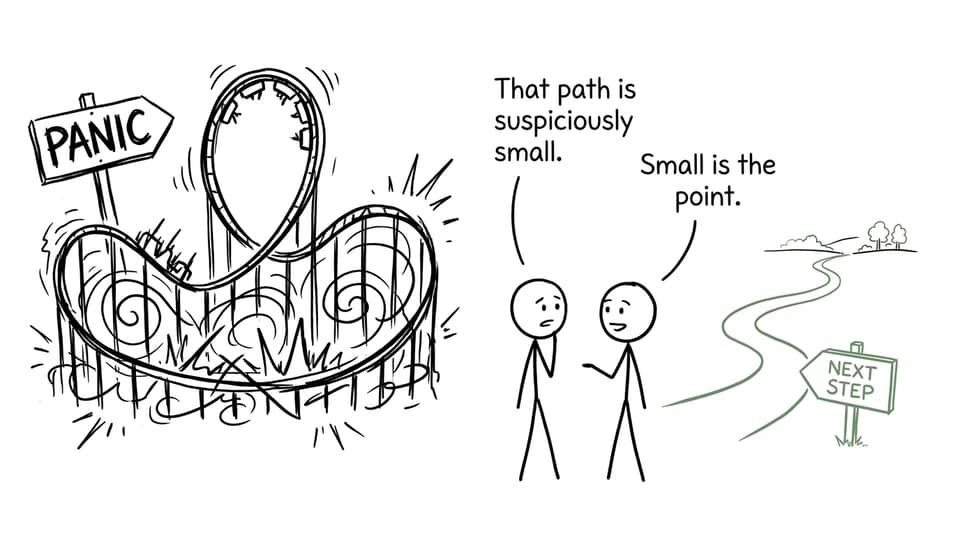
A lower-than-expected IB result may alter a plan. It can delay an application, require a retake, or lead to a different route. That is meaningful. It is not the same as a ruined future.
Your child is likely to remember less of the administrative detail than the emotional message surrounding it. Let that message be clear: we will face the facts, we will not confuse your score with your worth, and we will take the next step together.
Then make the next step modest. Contact the coordinator. Clarify the options. Protect wellbeing. If a retake is the right route, use RevisionDojo to turn “work harder” into focused practice, useful feedback, and evidence that progress is being made.