


You can usually tell when an exam season is close because life starts shrinking.
The world becomes a timetable, a desk lamp, a list of topics, and a quiet fear that you’re “behind.” But the funny truth of the MYP is that the skills that carry you through exams are often trained outside the classroom, in the ordinary moments nobody grades. That’s where the IB Learner Profile stops being a poster and starts becoming the kind of person who can handle pressure, think clearly, and recover fast after mistakes.
This guide is for MYP students preparing for exams who want something practical: small habits that build Learner Profile growth without adding more stress.
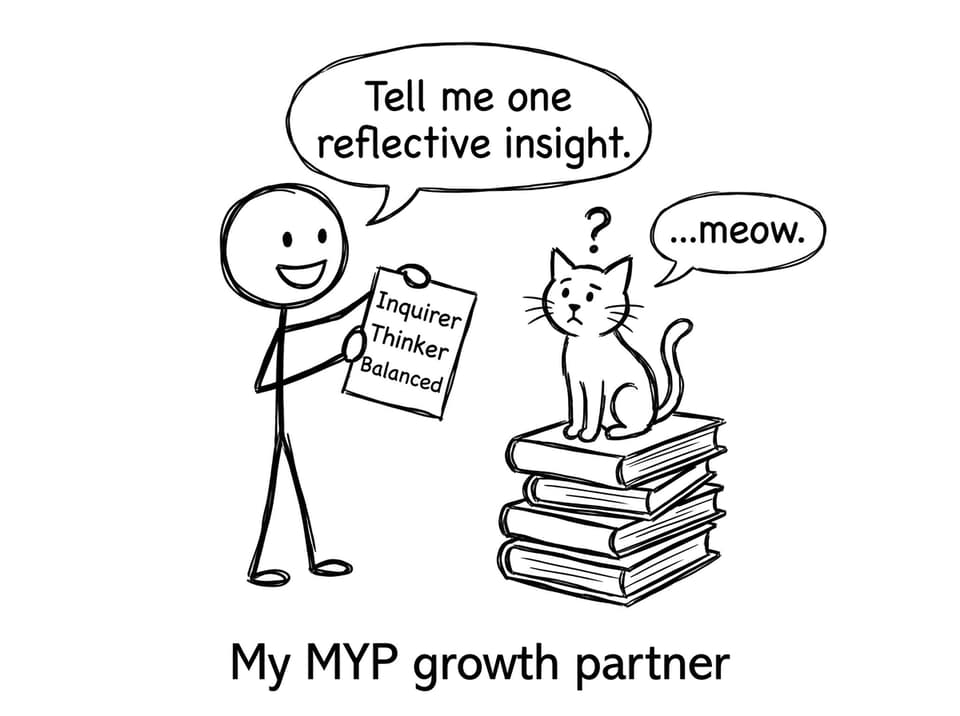
Quick checklist for MYP Learner Profile growth
Use this as a simple weekly loop (especially during exam prep):
-
Pick one MYP Learner Profile trait to train this week (not all ten).
-
Do one “real-world” action that proves it (a conversation, a decision, a service moment).
-
Write a 4-sentence reflection after it (what happened, what you felt, what you learned, what you’ll do next).
-
Convert one lesson into exam performance: notes to questions to feedback.
-
End the week with one timed practice session and a calm review.
If you need a clean place to run that study loop, start with the Middle Years Programme (MYP) Hub.
Why MYP growth outside class helps you score higher
The MYP doesn’t reward students who only memorize. It rewards students who can apply ideas in unfamiliar contexts, explain choices, and reflect using criteria language. That’s basically the Learner Profile in action: thinkers, communicators, principled learners, balanced students.
Outside the classroom is where those traits become automatic.
A student who practices being reflective after a tough football match tends to review a math mistake without spiraling. A student who becomes a better communicator in daily conversations usually writes clearer explanations in science. A student who trains being balanced is more likely to sustain revision across weeks instead of burning out in three days.
To connect Learner Profile growth to marks, it helps to read how exam success and Learner Profile behaviors overlap in How Is the IB Learner Profile Reflected in Assessments?.
Daily habits that build MYP Learner Profile traits
Reflective (the highest-leverage habit)
Reflection is not journaling for aesthetic reasons. In MYP, reflection is performance analysis: you notice patterns, then you change one thing.
Try a “3-2-1” after any study session:
-
3 things you understood
-
2 things you got wrong (be specific)
-
1 rule for next time
Then make it measurable using RevisionDojo’s Questionbank and feedback tools: do questions, check what you missed, and retest. Start here: Questionbank.
Inquirer (curiosity with a purpose)
In exam season, curiosity becomes a survival skill. When you get something wrong, your job is to ask “what exactly did I misunderstand?”
Use Study Notes to rebuild the concept quickly, then ask RevisionDojo AI Chat to explain the misconception in a different way, then return to questions. That rhythm turns curiosity into results.
Principled (doing the honest work)
Being principled in the MYP often looks boring: citing sources properly, not inventing evidence, and not pretending you “get it” when you don’t.
One practical habit: keep a tiny error log where you record mistakes without excuses. If coursework is part of your stress, RevisionDojo’s Grading tools and Coursework Library are built for criteria-based improvement that stays honest and specific.
Balanced (protecting your brain as a study resource)
Balance is not a motivational quote. It’s a strategy.
A balanced MYP week has a rhythm: short daily consistency and one or two deeper sessions. Use spaced repetition with RevisionDojo Flashcards, and plan one timed session using Mock Exams so exam conditions stop feeling unfamiliar.
For a broader structure, borrow ideas from MYP Revision Guide: Study Tips for Success.
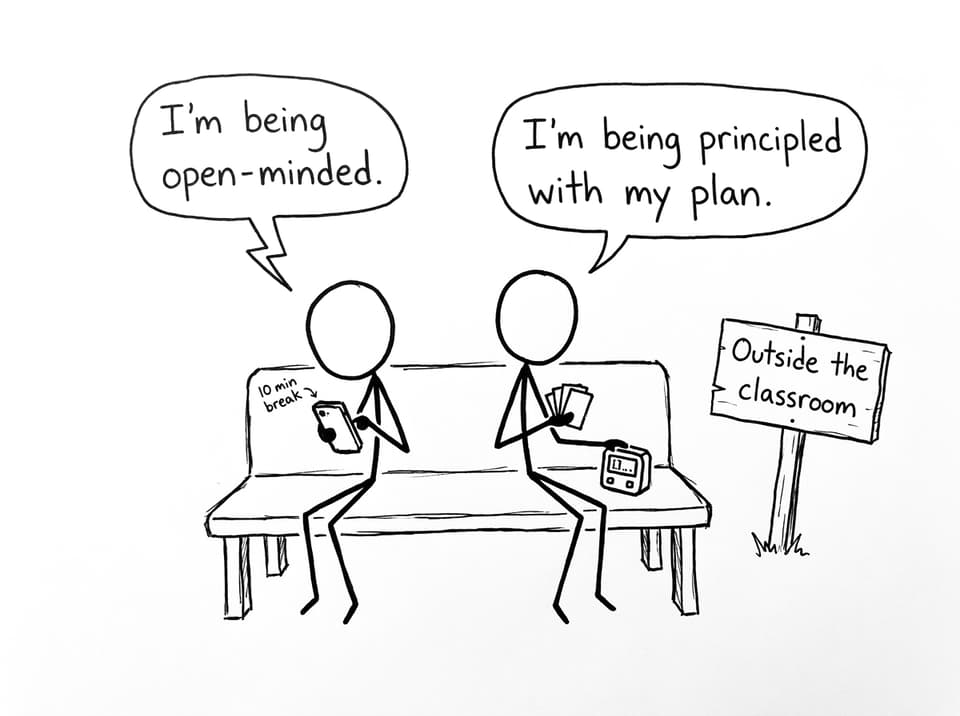
Build global-mindedness and caring without “extra activities”
A lot of students assume you need a big project to show Learner Profile growth. In the MYP, small consistent actions teach the same muscles.
-
Read one well-written article a week on a global issue, then summarize the argument in 6 sentences.
-
Help a younger student for 20 minutes and practice explaining without taking over.
-
Do one micro-service: clean-up, tutoring, translating, organizing materials for someone else.
If you want the bigger curriculum picture, explore Integrating Global Contexts Across Multiple Subjects in the MYP.
A simple MYP study loop that reinforces the Learner Profile
Here’s the loop that quietly trains multiple traits at once (thinker, reflective, principled, balanced):
-
Learn one subtopic with Study Notes
-
Practice using the Questionbank
-
Get feedback (RevisionDojo AI Chat and Grading tools)
-
Create 5 flashcards from your mistakes
-
Do one timed set weekly with Mock Exams and Predicted Papers
If you’re also thinking ahead to tougher exam seasons, Aligning Curriculum Mapping with the IB Learner Profile is worth bookmarking.
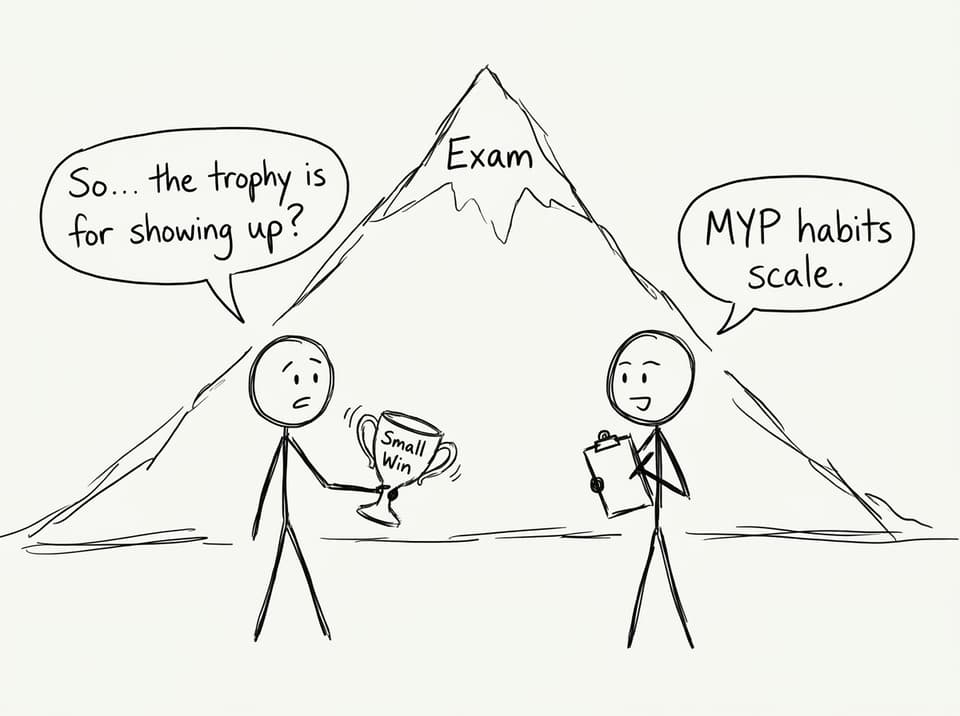
Closing: make MYP growth your unfair advantage
Exams reward what you can do on a tired day, not what you intended to do on a perfect one. That’s why MYP Learner Profile growth outside the classroom matters so much: it turns good intentions into habits.
If you want a system that supports both your grades and your growth, use RevisionDojo as your home base: study with Study Notes, drill with the Questionbank, retain with Flashcards, fix mistakes with AI Chat and Grading tools, rehearse with Mock Exams and Predicted Papers, strengthen writing using the Coursework Library, and get personalized support from Tutors. Start by exploring the Middle Years Programme (MYP) Hub and choose one trait to train this week, on purpose.


