



You can feel it in the way headlines move: one week it’s energy prices, the next it’s drought, then suddenly a “critical mineral” you’d never revised becomes front-page news. In IB Geography, that’s not random noise. It’s a pattern: resource inequality turns basic needs into leverage, and leverage becomes geopolitics.
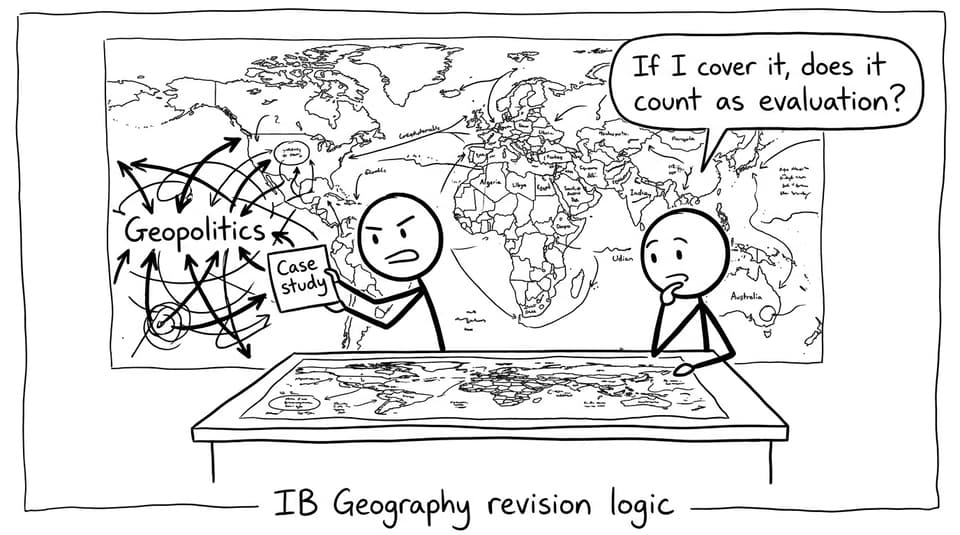
IB Geography overview: what resource inequality really means
Resource inequality is simply unequal access to essential resources (water, energy, food, and minerals). But in IB Geography, the mark-scoring move is explaining how inequality creates:
-
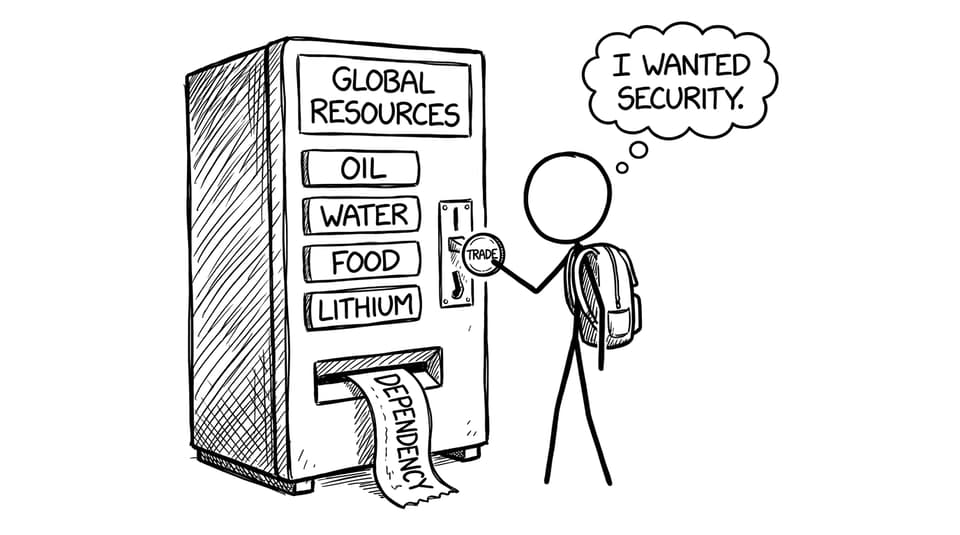
Dependency (import reliance)
-
Vulnerability (price shocks, supply disruptions)
-
Power (control over flows, chokepoints, or reserves)
-
Tension (competition, coercion, conflict risk)
For the syllabus home base, keep the IB Geography hub open while you revise: IB Geography Resources.
Energy inequality: when imports become insecurity
Energy resources are unevenly distributed, and that’s why energy-rich states often gain geopolitical influence. Meanwhile, resource-poor states can be forced into risky trade-offs: pay higher prices, accept political conditions, or face domestic instability.
In exam answers, connect the chain clearly: unequal reserves → import dependence → exposure to shocks → foreign policy constraints. Then practise writing it under pressure using: Global Resource Consumption and Security Questionbank.
Water scarcity: the geopolitics of shared rivers
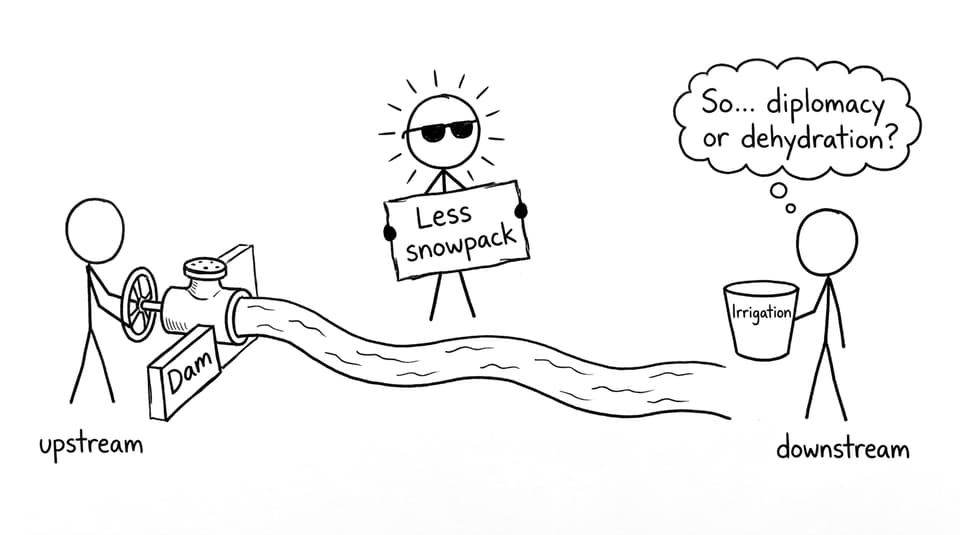
Water inequality gets sharper when rivers cross borders. Upstream states can control flow through dams or irrigation projects, reducing availability downstream. In IB Geography, this is a classic “power through position” story: not just who has water, but who controls timing, volume, and reliability.
Climate change often intensifies the stakes by shrinking snowpack, increasing drought frequency, and making negotiations harder. A strong paragraph links physical geography to political outcomes, then evaluates who benefits and who pays the cost.
To build clearer interconnections, revise the framework here: What Is the Water-Food-Energy Nexus?.
Food security: why price spikes can destabilise states
Food inequality isn’t only about production. It’s about access, import dependence, and price volatility. Countries that rely heavily on food imports can face sudden inflation during global disruptions, and that can trigger unrest quickly.
In IB Geography essays, you’ll score higher by evaluating governance and resilience: storage, subsidies, trade diversification, and safety nets. If you want a broader inequality link, connect this to development outcomes using: How Does Inequality Affect Human Development?.
Strategic minerals: the quiet competition behind modern tech
Rare earth elements, lithium, and cobalt matter because they feed technologies central to economic competitiveness and energy transitions. Control over extraction, processing, and export routes can create geopolitical friction, especially as demand rises.
A simple exam-ready line: strategic minerals shift power from “who has oil” to “who controls supply chains.” Then add evaluation: substitution possibilities, recycling, and diversification can reduce long-term leverage.
Quick exam checklist for IB Geography answers
When you see “resource inequality” and “geopolitics,” hit these steps:
-
Define resource inequality in one sentence (water/energy/food/minerals)
-
Explain two mechanisms (dependency, leverage, scarcity, price shocks)
-
Add one place-specific example (even briefly)
-
Evaluate with winners/losers and short-term vs long-term outcomes
-
Finish with a synthesis line (trade-offs, governance, climate stress)
For case-study structure, use: IB Geography Case Studies: A Comprehensive Exam Guide and Easiest IB Geography Case Studies for Exams.
Conclusion: turn geopolitics into marks, not panic
Resource inequality can feel overwhelming because it sits at the intersection of scarcity, power, and human need. But IB Geography rewards calm structure: define, explain mechanisms, add a grounded example, then evaluate the trade-offs.
When you’re ready to practise, RevisionDojo makes it simple to move from understanding to speed: use the Study Notes to anchor concepts, Flashcards to keep definitions tight, AI Chat to refine evaluation, and the Questionbank to train exam timing. Start here: IB Geography Resources and sharpen this unit with the Global Resource Consumption and Security Questionbank.