


Sports can feel like pure instinct: a striker choosing a corner, a point guard seeing a passing lane, a coach calling a risky play. Then you see the post-game graphic: shot charts, sprint speeds, win probabilities. Suddenly the game looks like a math problem wearing a jersey.
That’s the quiet power of IB Math. It doesn’t just help you survive exams. It teaches you how to translate messy real life into something you can measure, model, and improve. Sports analytics is one of the clearest places to see that translation happen.
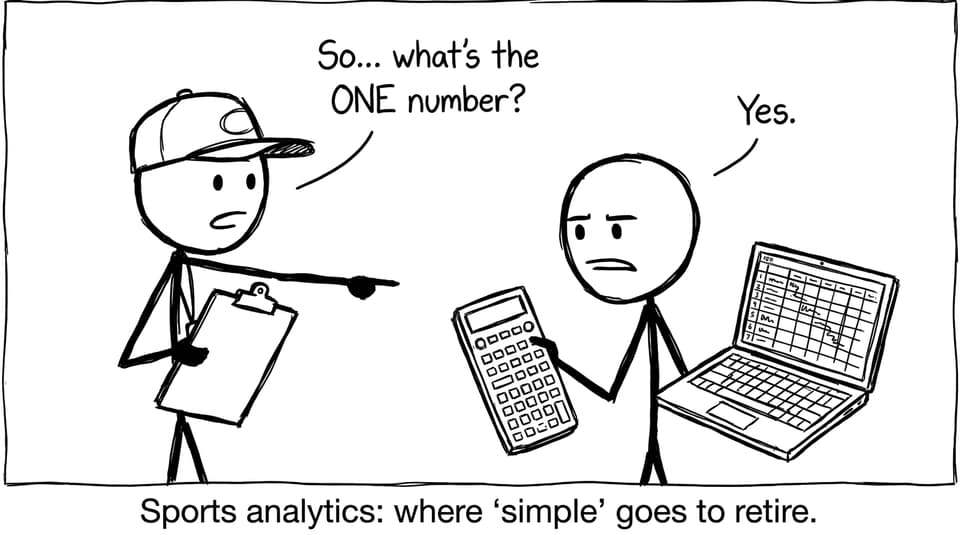
Quick checklist: the IB Math ideas hiding inside sports
If you want a simple map before we go deeper, sports analytics repeatedly uses:
-
Descriptive statistics (mean, standard deviation, z-scores, percentiles)
-
Probability (expected value, risk, randomness vs skill)
-
Functions and modeling (relationships between variables, regression)
-
Calculus (rates of change, optimization, motion)
-
Interpretation (explaining what your numbers mean in plain language)
When you revise these topics using the Study Notes and then test them in the Questionbank, you’re basically training the same muscles analysts use, just with a different dataset.
Why sports analytics matters (and why IB Math fits it)
Sports analytics is the practice of using data to make better decisions: who to play, what tactics to run, how to reduce injuries, and even how to price tickets. The “analytics” part isn’t magic. It’s careful thinking.
That’s also the core promise of IB Math: the ability to make decisions with structure instead of vibes.
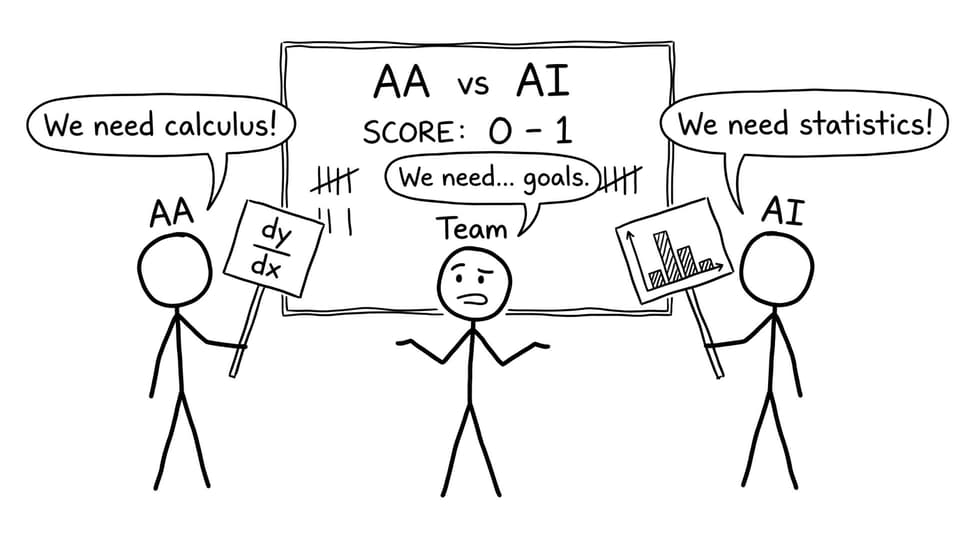
If you’re in AA, you’ll recognize how calculus and functions help model movement and optimization. If you’re in AI, you’ll recognize how statistics and technology-driven interpretation turns raw data into insight. Either way, you’re building the same habit: connect a situation to a method.
To keep your revision grounded, start from the right hub: IB Mathematics Analysis and Approaches Resources or IB Mathematics Applications & Interpretation Resources.
Player performance analysis: from highlights to repeatable patterns
A highlight is memorable because it’s rare. Coaches care about what’s repeatable.
Performance analytics turns plays into measurable variables:
-
Shooting percentage by location (shot charts)
-
Efficiency ratings (points per possession, turnovers, assists)
-
Sprint speed, acceleration, distance covered
In IB Math, this is where you’ll see statistics and modeling show up naturally. Averages alone can lie, so analysts track spread (standard deviation) and compare players using standardized measures (think z-scores). Regression helps estimate relationships: does higher sprint load correlate with lower accuracy late in a match?
If you want to strengthen the exam side of this, treat each metric like a mini modeling question: define variables, justify assumptions, interpret parameters. RevisionDojo’s IB Math: Targeted Revision Using the Questionbank is a strong way to practice that loop without drifting.
Game strategy and tactics: probability wearing a whistle
The best decision is often the one that wins more often, not the one that feels brave.
This is where IB Math connects directly to strategy:
-
Win probability models estimate chance of winning from game state
-
Expected value compares choices (take a 3-pointer vs drive to the rim)
-
Risk matters: high-variance strategies can be smart when you’re behind
You’ve seen this logic in probability questions: compare outcomes, weigh likelihoods, justify conclusions.
When you practice exam-style reasoning, the goal is the same as an analyst’s report: make a defensible recommendation. That’s also why timed practice matters. If you’re building stamina, RevisionDojo’s workflow for IB Math mock exams helps you simulate pressure, then fix what broke using analytics and targeted drills.
Injury prevention: calculus, data, and the cost of “pushing through”
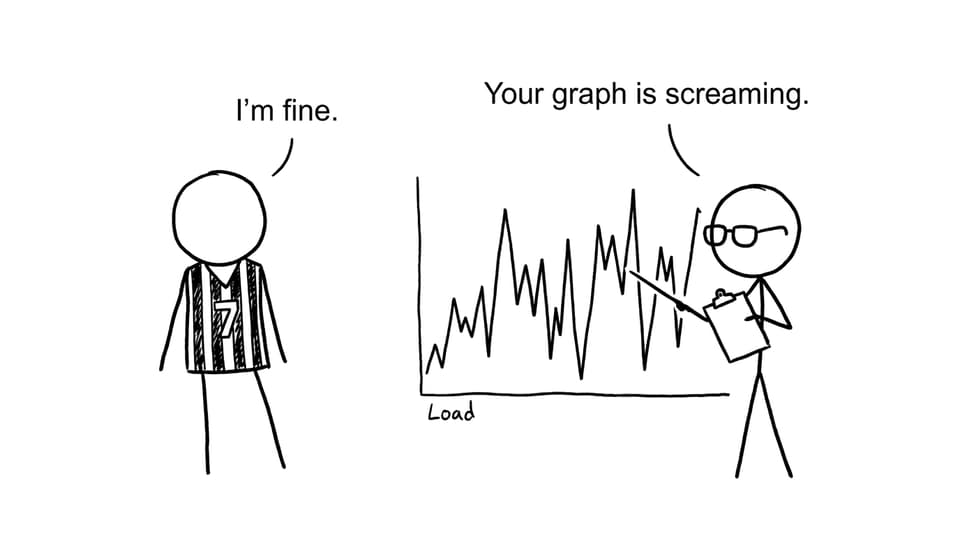
Most athletes don’t get injured on a single dramatic play. It’s usually accumulation: load, fatigue, recovery, and one unlucky moment.
In sports science, analysts track:
-
Training load over time
-
Sudden spikes (rate of change)
-
Recovery indicators
That’s a calculus story: not just “how much,” but “how fast is it changing?” In IB Math, derivatives and rates of change are exactly the tools you use to describe these shifts. Even if your course emphasizes statistics more, the logic remains: trends matter more than snapshots.
When this feels abstract in revision, connect it to motion and change questions. If you want structured practice, drill calculus or modeling by topic with something like the IB Math AA Calculus Questionbank.
Fan engagement and business: the “other” side of analytics
Not all sports analytics is about the scoreboard. Teams are businesses, and decisions show up in:
-
Dynamic ticket pricing (supply, demand, forecasting)
-
Social media engagement analysis
-
Predicting attendance from day/time/opponent
For IB students, this is a reminder that IB Math isn’t trapped in a classroom. Modeling is a life skill: define variables, fit a model, validate it, explain limitations.
If you struggle with turning messy contexts into clean steps, build a repeatable system. A solid starting point is The Ultimate IB Math Study Routine for Busy Students, then adapt it for your weakest topics.
How to explore sports analytics as an IB student (without derailing exam prep)
Sports analytics can easily become a procrastination rabbit hole. Keep it useful:
-
Pick one sport and one question (e.g., “Does shot distance predict accuracy?”)
-
Use simple stats first (mean, correlation, a basic regression)
-
Write a short interpretation paragraph like an exam response
-
Turn recurring methods into spaced repetition using Flashcards
When you’re stuck, don’t lose an hour. Ask RevisionDojo’s AI Chat to re-explain the same idea in a different way, then validate your understanding with the Grading tools and the Questionbank. As exams get closer, add Predicted Papers and Mock Exams to rehearse full decision-making under time pressure.
Closing: make IB Math feel like a real tool
Sports analytics is a reminder that numbers aren’t cold. They’re clarifying. They help you notice patterns your eyes miss, and they help you argue for a decision without guessing.
If you want IB Math to feel more like a tool and less like a syllabus checklist, build a simple loop on RevisionDojo: learn with Study Notes, retain with Flashcards, apply with the Questionbank, get unstuck with AI Chat, and rehearse pressure using Mock Exams and Predicted Papers. The best part is that every session becomes more targeted, more measurable, and more like the way analytics actually works.
When you revise like an analyst, your exam preparation stops being “more work” and becomes better decisions.