
Your IB results day doesn't arrive with a drumroll. It arrives quietly, in a login screen and a number that looks too small to carry everything you lived through.
For weeks, you've probably rehearsed the moment in your head: you open the portal, you see the score, your stomach drops or your lungs finally work again. In the IB, people act like the results are the ending. But emotionally, results day is more like a doorway: you're stepping from effort into outcome, from private struggle into public comparison, from "maybe" into "now what?"
The strange part is this: the emotional risk isn't just disappointment. It's also relief. It's also pride. It's also the unsettling feeling that you can't redo the story you told yourself about how this would go.
This guide is about how to prepare for IB results day emotionally, before you see the number, so that whatever appears on the screen, you can stay steady enough to take the next step.
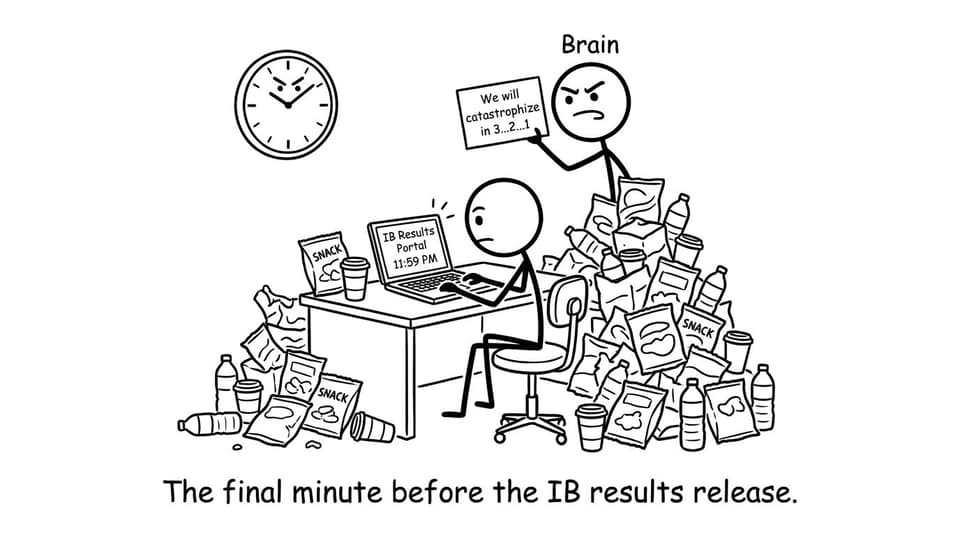
The IB results day emotional checklist
If you want a simple plan, here's the checklist most IB students wish they had.
- Decide where you'll check your IB results (and who will be there)
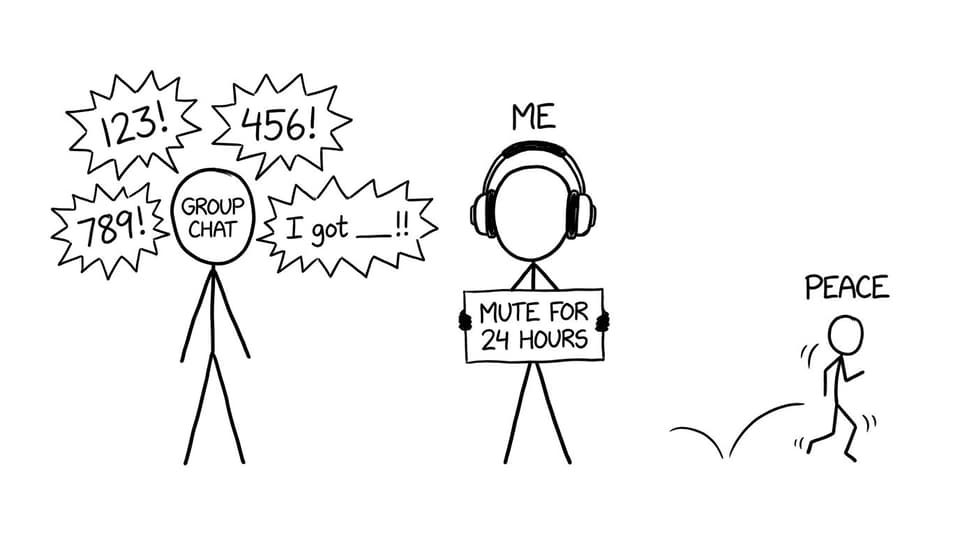
- Prepare a 24-hour "comparison shield" (mute chats, reduce social media)
- Write three outcome scripts: if it's great, okay, or disappointing
- Choose one trusted person for the first conversation
- Plan one grounding routine for the hour before you log in
- Decide one small action for the day after results (regardless of score)
- Keep one resource hub ready so you don't spiral into random searching
If you also want the practical logistics, keep these bookmarked for your IB admin steps:
- What Should I Do on the IB Results Day? A Step-by-Step Guide
- How to Check Your IB Results Online (Step-by-Step)
- IB Results Day 2025: Exact Date, Key Timings, and What to Expect
Why IB results day hits so hard (even if you did well)
IB students don't just study content. They build identity around competence: being the person who handles deadlines, understands the rubric, holds it together. Over two years, the IB can become a kind of mirror. You check it constantly.
Results day takes that mirror and turns it into a scoreboard.
That's why the emotions are sharp. You're not only reacting to a score. You're reacting to the meaning you attach to it: what it says about your effort, your future, your parents, your teachers, your friends, your university plans.
If you're feeling anxious, it doesn't mean you're weak. It means you care, and you're anticipating social and personal consequences. The goal isn't to feel nothing. The goal is to create enough emotional space that you can respond rather than react.
If exam stress is still echoing in your body, these can help you understand what's happening under the surface:
- How to Beat IB Exam Anxiety (Without Burning Out)
- How to Cope with IB Exam Stress and Anxiety About Failing
Set up your results day environment like it's an exam
The fastest emotional wins come from boring preparation.
Choose the place
Pick a location that won't intensify your feelings. For most IB students, that means:
- Not in a crowded room
- Not while half-listening to someone else's conversation
- Not while your phone is lighting up with other people's scores
A quiet room, stable Wi-Fi, water, and a plan for what happens immediately after you check.
Choose the people
Some students want privacy. Some want a witness. Most want the right witness.
Pick one person who can handle all outcomes without rushing you into "solutions" or "celebrations." If your parent is supportive but intense, consider checking alone first and sharing after.
Prepare your "after" slot
Book something gentle 30-90 minutes after you check: a walk, a shower, breakfast, a drive, anything physical. The IB score is mental; your regulation is physical.
Build a 24-hour comparison shield
IB results day is not just a portal. It's a social event disguised as a personal one.
Comparison is emotionally expensive because it pretends to be information. It isn't. You never compare full contexts: subject combinations, health, teacher support, school policies, language background, time, burnout, life events. You compare two numbers and call it truth.
Do this instead.
- Mute group chats for 24 hours
- Decide a window when you will not open social media
- Tell friends in advance: "I'll reply later, I'm taking today slowly"
It's not avoidance. It's boundary-setting.
If you want a realistic, compassionate survival plan for the worst-case spiral, keep this nearby:
Write three outcome scripts (so your brain stops improvising)
Your brain loves to improvise under stress. It also loves drama.
You can reduce both by writing three short scripts now, before results day.
If the IB result is better than expected
- I will pause before posting.
- I will message one person who supported me.
- I will celebrate in a way that doesn't require performing happiness.
- I will remember: relief is normal, and so is feeling strangely empty afterward.
If the IB result is about what I expected
- I will let it be "enough" for one day.
- I will check university conditions calmly.
- I will not go hunting for reasons to feel disappointed.
- I will do one small grounding action and then decide next steps tomorrow.
If the IB result is disappointing
- I will screenshot or write down the numbers to reduce confusion.
- I will wait 10 minutes before texting anyone.
- I will contact my IB coordinator for options.
- I will treat the next 48 hours as an "options-building window," not a verdict.
This isn't positive thinking. It's emotional planning.
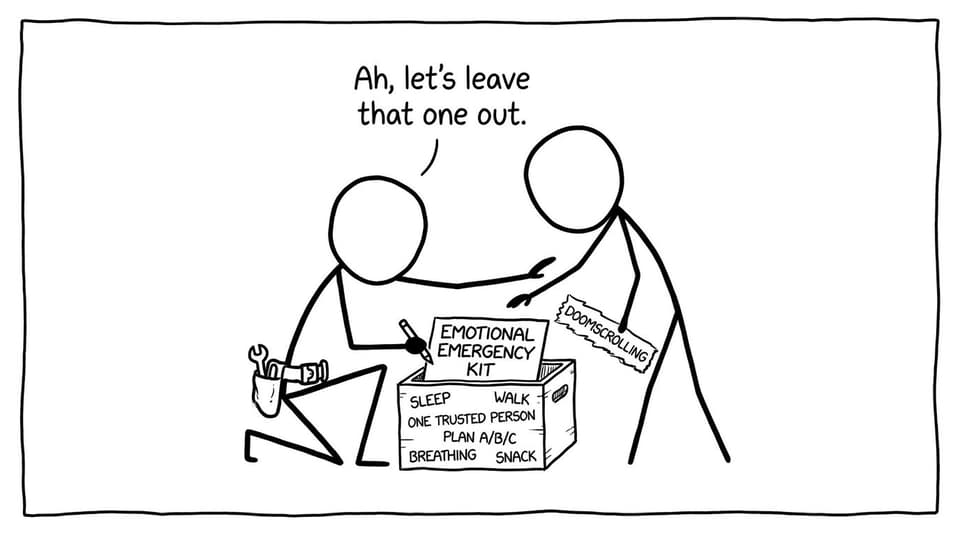
Make an "emotional emergency kit"
The best part of results day preparation is that it's not complicated. It's small, practical, and slightly annoying, which is why it works.
Include:
- Water and a snack (blood sugar affects mood)
- A note with your breathing routine (simple, written)
- One person you can call
- One sentence you can repeat: "This is data, not identity."
- One next-step task you can do later (email draft, coordinator message, university checklist)
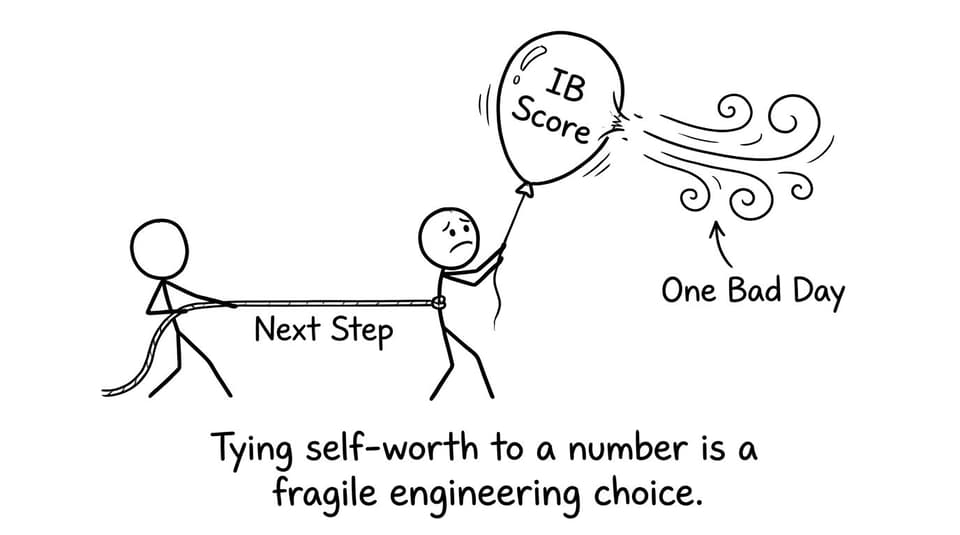
Use the IB mindset shift: from "score" to "next step"
There's a quiet skill the IB teaches, even when it doesn't mean to: the ability to continue.
On results day, your job is not to decide what the score says about you. Your job is to decide what you do with it.
That's why "next step" thinking is so powerful. It turns emotion into motion.
If you need a grounding frame, borrow this:
- One number doesn't describe two years.
- One score doesn't predict a decade.
- One outcome can still produce good options.
If you don't like your IB results: stabilize, then act
Emotional preparation isn't pretending you won't be hurt. It's making sure hurt doesn't hijack your choices.
Stabilize first
For the first hour:
- Sit down
- Drink water
- Eat something small
- Breathe slower than you think you need to
- Avoid sending messages that create permanent screenshots
If you're prone to panic, learn the mechanisms and quick resets:
Act second
Once you're calmer, move into actions that create options:
- Ask your IB coordinator about component marks and deadlines
- Consider whether an Enquiry Upon Results is rational (not emotional)
- If university offers are involved, draft a short email that is clear and calm
For UK pathways, it helps to understand what happens if offers shift:
- What Happens If You Don't Meet Your Firm Choice?
- UCAS Clearing 2025: Secure Your Ideal University Place
Where RevisionDojo fits after IB results day
Results day is emotional. The days after are practical.
This is where many IB students lose time: they either do nothing (because it hurts), or they do everything (because it scares them). A calmer approach is to build a simple loop that creates proof.
RevisionDojo is designed to be that home base, especially when you want momentum without chaos:
- The Questionbank helps you target weak topics without guessing, and it gives you feedback you can actually use.
- Flashcards make daily recall feel small enough to restart, even after an emotional hit.
- Study Notes help you rebuild understanding quickly, without rewriting your whole life.
- AI Chat (Jojo) is the "unstuck" button for questions you're embarrassed to ask.
- Grading tools keep written work aligned to what examiners reward.
- Predicted Papers and Mock Exams make practice realistic, so your confidence is based on evidence.
- The Coursework Library shows what strong work looks like when your self-trust is low.
- Tutors add a calm human plan when you don't want to carry the decision alone.
If you want to see how the full system connects, start here:
And if you're rebuilding motivation after a tough moment:
A calmer way to end IB results day
At some point, you close the tab.
The best emotional preparation for IB results day is not a perfect mindset. It's a plan that makes room for whatever you feel, while protecting your ability to take the next step.
So here's your simplest call-to-action: prepare like you're training for steadiness.
Pick your checking location. Write your three outcome scripts. Mute the noise for a day. And choose one toolset that turns panic into progress.
When you're ready, make RevisionDojo your home base for the next chapter of IB, with Questionbank practice, Study Notes, Flashcards, AI Chat, Grading tools, Predicted Papers, Mock Exams, a Coursework Library, and Tutors that help you move forward with proof, not pressure.