



If you’ve ever watched someone else casually say, “Chemistry is fine,” while you’re re-reading the same equilibrium paragraph for the fourth time, you know the truth about IB Chemistry: it’s not hard because it’s cruel. It’s hard because it’s cumulative.
A 7 in IB Chemistry isn’t a moment of genius on exam day. It’s the quiet result of hundreds of small, correct decisions: the right practice questions, the right feedback loop, the right way of fixing mistakes (instead of collecting them).
This guide lays out a realistic path to a 7 in IB Chemistry for 2025. Not motivation. A method.
Your 7-in-IB Chemistry checklist (save this)
-
Learn the 2025 structure so you revise by concepts, not chapters
-
Build a weekly loop: notes to flashcards to questions to feedback to redo
-
Do timed mixed-topic sets early (not just at the end)
-
Treat your IA like a scoring opportunity, not a side quest
-
Use the IB Chemistry data booklet until it feels boring
For topic-by-topic coverage and an organized hub, start with IB Chemistry Resources.
What’s different about IB Chemistry in 2025 (and why it matters)
The biggest trap in IB Chemistry is revising as if the subject is a vocabulary list. The 2025 approach rewards structure: models, reasoning, and applying ideas under pressure.
Here’s what that changes in practice:
-
You need fewer “cute” mnemonics and more cause-and-effect thinking.
-
You should practise questions that force explanation, not just recognition.
-
Your revision should connect units (bonding affects energetics; energetics affects equilibrium; equilibrium reshapes acid-base).
If you’re HL and unsure how to pace the year, IB Chemistry HL: Complete Guide for Success is a strong companion read.
The study system that actually produces a 7 in IB Chemistry
A 7-level student isn’t someone who never forgets. It’s someone who forgets, notices quickly, and fixes it with a repeatable system.
Build your “concept to question” pipeline
Start each topic with clean, syllabus-aligned explanations, then move quickly into application.
-
Use notes to get the story right (what changes, what stays constant, what the model assumes).
-
Use flashcards only for things worth memorising: definitions, conditions, key trends, and data-booklet navigation.
-
Use exam-style practice to expose misunderstandings.
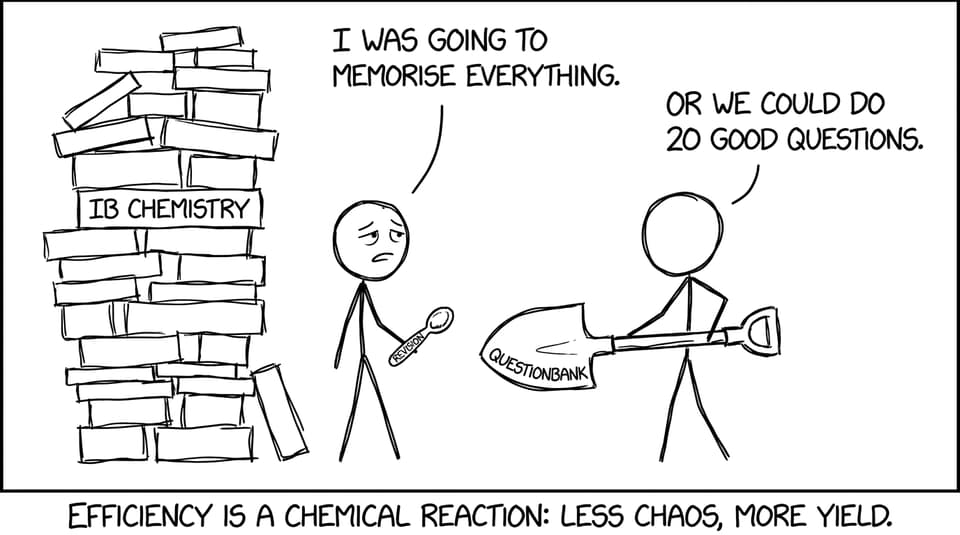
RevisionDojo makes this pipeline easy because everything is connected: Study Notes, Flashcards, Questionbank, and AI Chat live in the same ecosystem.
Helpful starting points:
Practise like an athlete, not a collector
Most students “revise” by consuming: videos, summaries, highlighted pages. But IB Chemistry grades performance: can you generate the answer with the clock running?
So your practice should be:
-
Daily: 20-30 minutes of targeted questions on one weakness.
-
Weekly: one mixed-topic set to force retrieval under interference.
-
Fortnightly: a timed paper simulation (even partial) to build stamina.
For targeted topic practice, use specific banks such as:
When you miss a question, don’t just read the solution. Do this instead:
-
Write the reason you missed it (concept, method, units, wording, time)
-
Create a 1-sentence “rule” you’ll follow next time
-
Redo a similar question within 48 hours
That loop is how IB Chemistry stops feeling random.
Your IA: the quiet way to protect your final grade
A strong IA doesn’t need fireworks. It needs control, clarity, and evaluation that sounds like a scientist, not a student hoping for mercy.
Start here:
The highest-value IA habits for IB Chemistry:
-
Choose a question you can repeat reliably (replication beats drama).
-
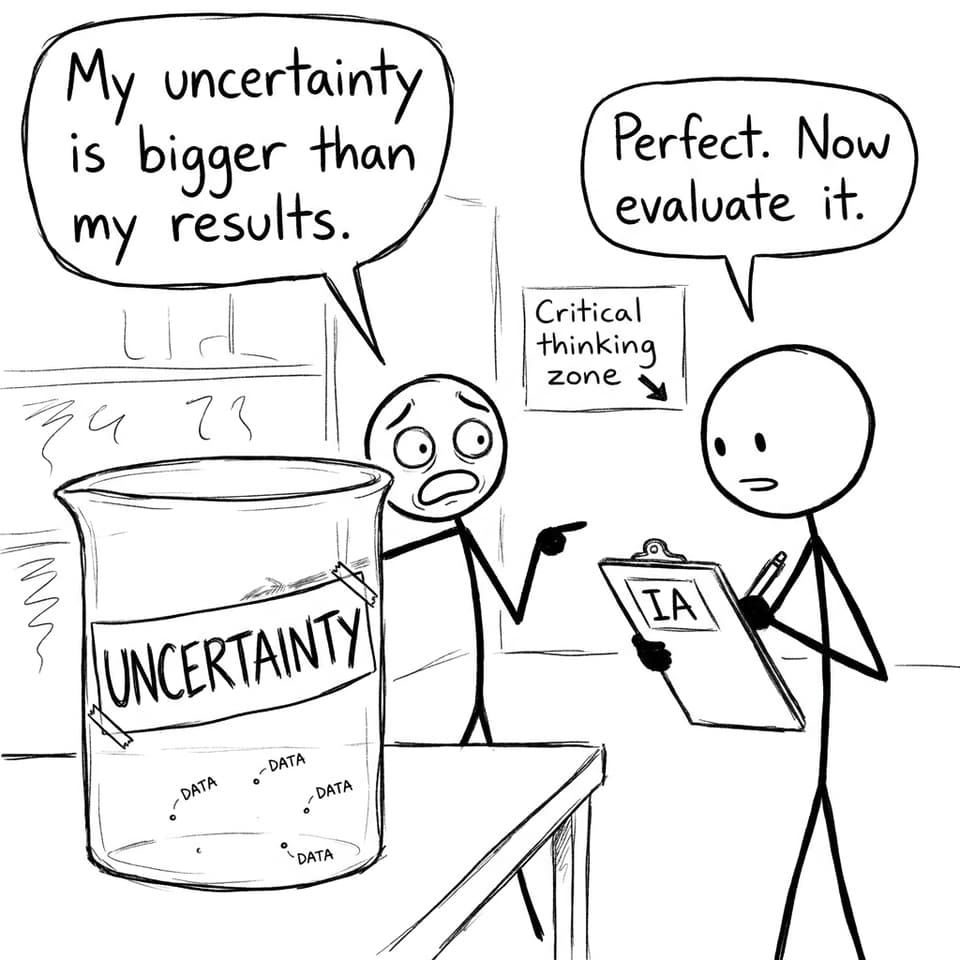
Track uncertainty as you go (not at the end, not “later”).
-
Write evaluation like a plan for Version 2.0: specific limitation, specific fix, expected impact.
Exam technique: how 7 students buy marks under pressure
Train with the data booklet until it’s automatic
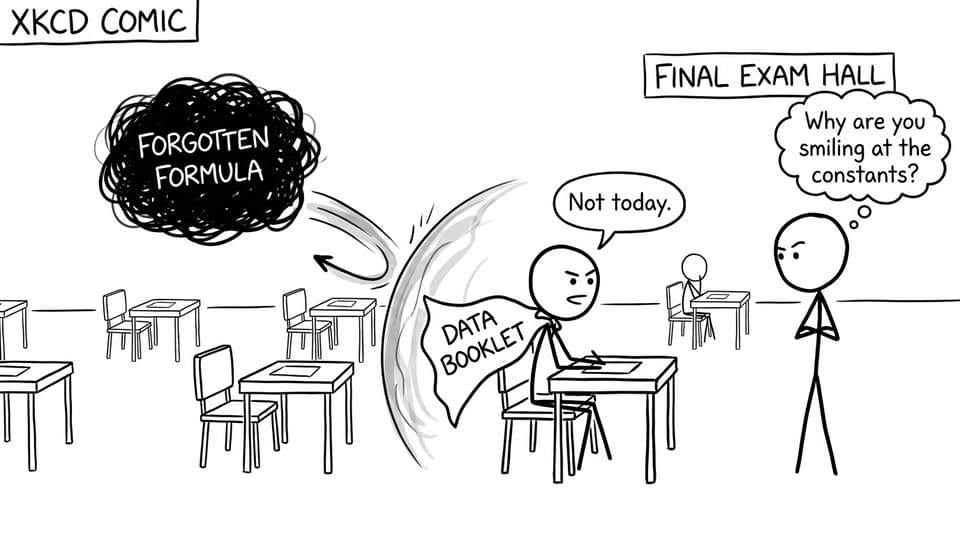
The IB Chemistry data booklet is not a backup plan. It’s a speed advantage.
Use IB Chemistry Data Booklet - Formula Reference while practising so you build “muscle memory” for where constants, equations, and relationships live.
Use predicted practice papers for timing and realism
Once content is mostly in place, move to full simulations. RevisionDojo’s predicted practice papers are designed to mirror exam logic and are paired with Grading tools for fast feedback.
Start here:
And if you’re unsure how to use predicted sets responsibly, IB Predicted vs Specimen Papers: What They Mean clears up the confusion.
Closing: the simplest definition of a 7 in IB Chemistry
A 7 in IB Chemistry is rarely about doing more. It’s about doing what matters, more consistently: tight notes, smart flashcards, relentless exam-style practice, and honest correction.
If you want one place where all of that connects, including Questionbank, Study Notes, Flashcards, AI Chat, Grading tools, Predicted Papers, Mock Exams, Coursework Library, and even Tutors when you need a human explanation, start with RevisionDojo.
Your goal isn’t to feel ready. It’s to become the student who can prove readiness on paper. That’s what IB Chemistry rewards.