



In the old story of power, a state stood alone: it raised an army, controlled borders, and decided its own fate.
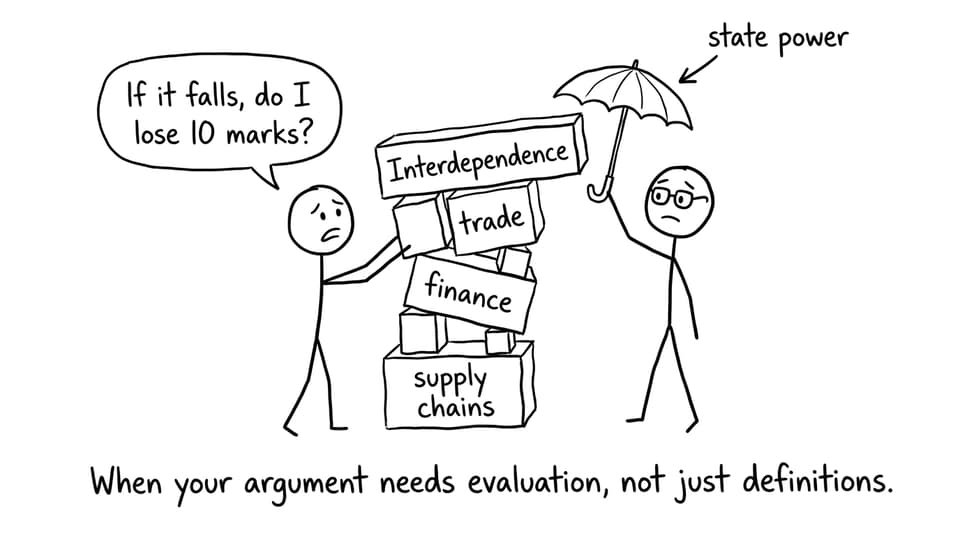
In the newer story you study in IB Global Politics, states still matter, but they move through a web of trade, finance, investment, and supply chains. Tug one thread, and someone else feels it. Economic interdependence doesn’t end power politics; it changes the tools, the risks, and the winners.
Quick exam checklist for IB Global Politics
Use this mini-structure whenever you’re asked how interdependence affects state power:
-
Define economic interdependence (mutual reliance through trade, finance, investment, supply chains).
-
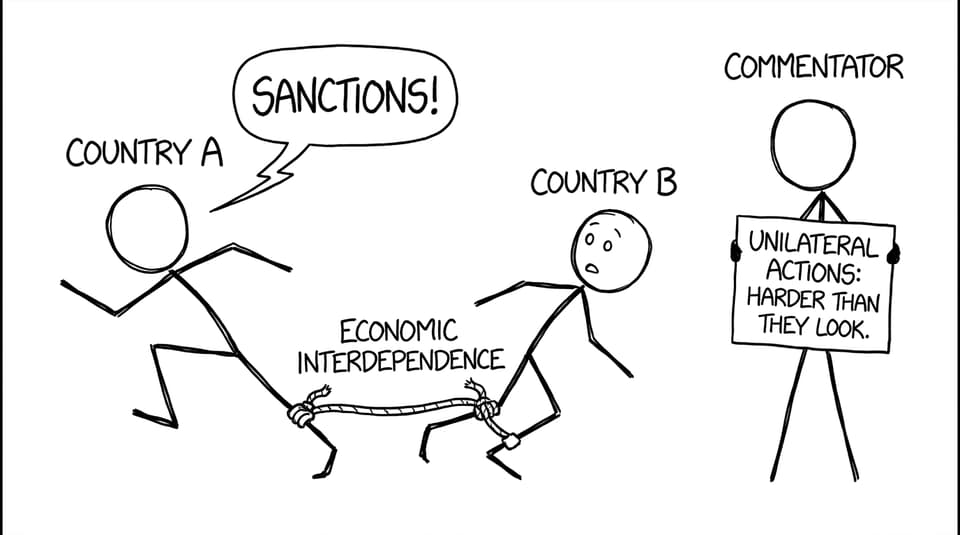
Explain constraint: why unilateral action becomes costly.
-
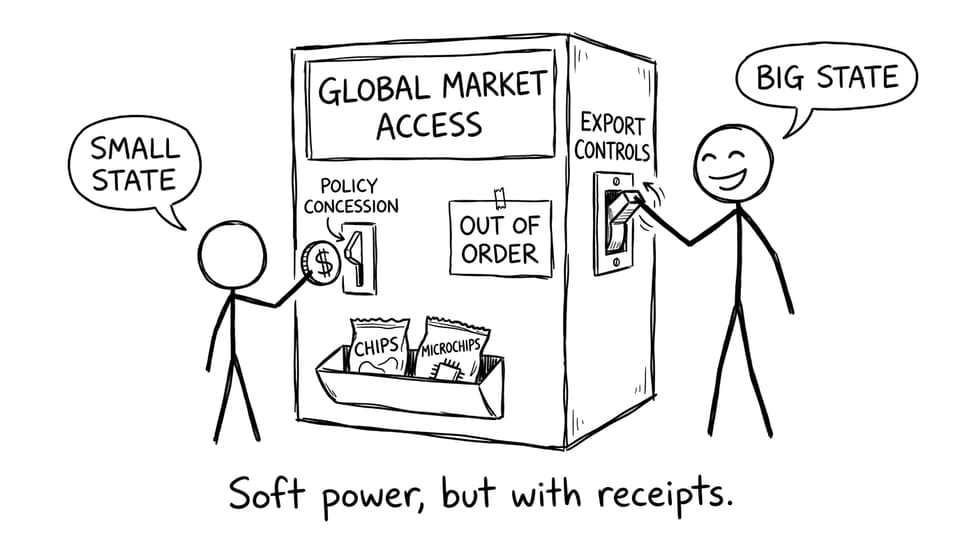
Explain leverage: how market access, technology, or resources become power.
-
Evaluate asymmetry: who depends more, and why that matters.
-
Add a twist: domestic policy autonomy and collective action.
For core concept support, revise power first via Power in IB Global Politics and key terms in the IB Global Politics Glossary.
How economic interdependence constrains state power
In IB Global Politics, a simple but high-scoring point is this: interdependence raises the price of acting alone. Tariffs, export bans, and sanctions can boomerang. If you depend on the same trading routes, banking systems, or imported components, punishing someone can quietly punish you too.
That’s why interdependence often nudges states toward bargaining and rule-based processes. If you want to practise writing this as a Paper 2 paragraph, try the IB Global Politics Paper 2 Guide and build timed responses using the Interdependence Questionbank.
How economic interdependence creates new power (without tanks)
Economic interdependence also produces economic leverage. States that control:
-
key markets (access to consumers),
-
critical technologies (think advanced components),
-
essential resources (energy, rare inputs), or
-
financial chokepoints
can influence others without using force.
This fits nicely with your Understanding Power unit: power is multidimensional, and economic tools can be as decisive as military ones. For sharper examples and phrasing, compare with How Does Economic Power Shape Global Politics? and the broader core topic hub Understanding Power and Global Politics.
The key evaluation move: interdependence is often asymmetric
The highest-mark answers in IB Global Politics don’t say interdependence “weakens states” or “strengthens states.” They ask: who is more dependent?
When interdependence is uneven, the less dependent actor can weaponize access. The more dependent actor becomes vulnerable to disruption, price shocks, or sudden withdrawal of investment. RevisionDojo’s Interdependence Notes are a strong place to collect case-study-ready language.
Domestic policy autonomy and collective power
Interdependence also reaches inside the state. Leaders consider investor confidence, currency stability, and competitiveness, which can narrow policy choices. That can mean efficiency, but it can also raise questions about democratic accountability.
At the same time, interdependence can multiply power through coordination: states acting together can create bigger economic effects than they can alone. If you want to link this to institutions and rules, connect to Intergovernmental Organizations Notes and practise structuring evaluation with the Assessment Guides.
Conclusion: the IB Global Politics takeaway
Economic interdependence changes state power by adding friction to unilateral action, creating new forms of economic leverage, and exposing vulnerabilities through unequal dependence. In IB Global Politics, your edge comes from evaluation: show how the same web can restrain, empower, and pressure states at once.
When you’re ready to practise this under exam conditions, RevisionDojo pulls everything together, Questionbank prompts, Study Notes, Flashcards, AI Chat, grading tools, Predicted Papers, Mock Exams, a Coursework Library, and Tutors, so your argument becomes precise, balanced, and genuinely exam-ready.