


Somewhere in the middle of IB season, a strange fear shows up: What if I’m doing the work, but my grades don’t move?
It’s not laziness. It’s usually a missing system. The students who jump from “fine” to “excellent” rarely find a secret trick. They build a loop: learn, test, fix, repeat.
This is where RevisionDojo tends to change the story. Not because it makes IB easy, but because it makes improvement measurable.
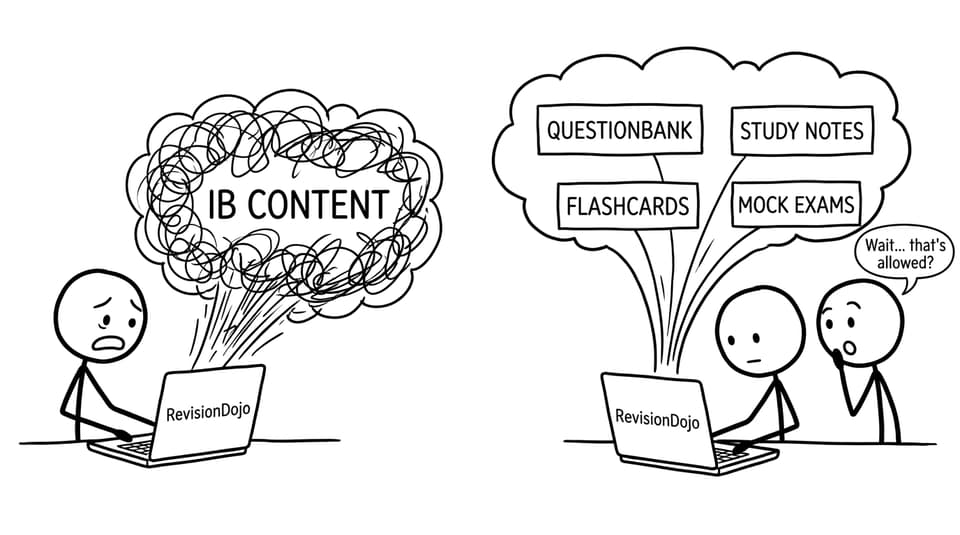
The quick IB improvement checklist
If you want the same pattern behind most score jumps, start here:
-
Use Study Notes to patch one specific gap (not “revise the whole topic”)
-
Drill Questionbank sets by subtopic until errors stop repeating
-
Convert mistakes into Flashcards (daily active recall)
-
Use AI Chat and Grading tools for fast feedback and markscheme-style phrasing
-
Add Mock Exams and Predicted Papers as you get closer to exam timing
If you want a complete roadmap, keep How to Study for IB Exams: Step-by-Step Guide open as your baseline.
Three IB success stories (and what actually changed)
Emily: IB Math AA SL, from “I get it in class” to a 7
Emily’s problem wasn’t effort. It was the classic IB gap between understanding and performing under pressure. She could follow solutions, but timed questions exposed tiny method errors.
Her shift was simple: she stopped doing random revision and started doing targeted sets in the Questionbank, then reviewed with Grading tools like an examiner would. Every mistake became a rule and a flashcard. Over weeks, her weak steps disappeared because they were being retested, not reread.
For math-specific traps to avoid, she also used Common Mistakes in IB Math HL exams (useful even if you’re SL, because the habits overlap).
Jack: IB Chemistry, from overwhelmed to consistently strong
Jack had the opposite problem: too much content, not enough structure. In IB Chemistry, the syllabus can feel like a warehouse of facts. His grades stayed stuck because he revised “chapters” instead of question types.
RevisionDojo’s Study Notes helped him reduce cognitive load, but the real improvement came from cycling: notes for clarity, then immediate Questionbank practice, then AI Chat to explain the one step that felt slippery. He used Flashcards for definitions and core processes so his brain didn’t spend exam time searching for basics.
He leaned heavily on The Science Behind Effective IB Revision: How to Study Smarter, Not Harder to stay honest about what works.
Sarah: IB English Literature, from “I write a lot” to top-band analysis
Sarah’s essays weren’t short. They were just misaligned with what IB rewards: precise analysis, clear claims, and evidence that actually proves the claim.
Her turning point was feedback speed. She used RevisionDojo’s AI Chat to pressure-test her thesis and paragraph logic, then practiced responses with a timer. She built a mini-library of moves: how to embed quotes, how to interpret technique, how to conclude with judgement. With each cycle, her writing became calmer and more intentional.
When she started slipping back into old habits, she revisited Common Mistakes to Avoid During IB Revision as a reset.
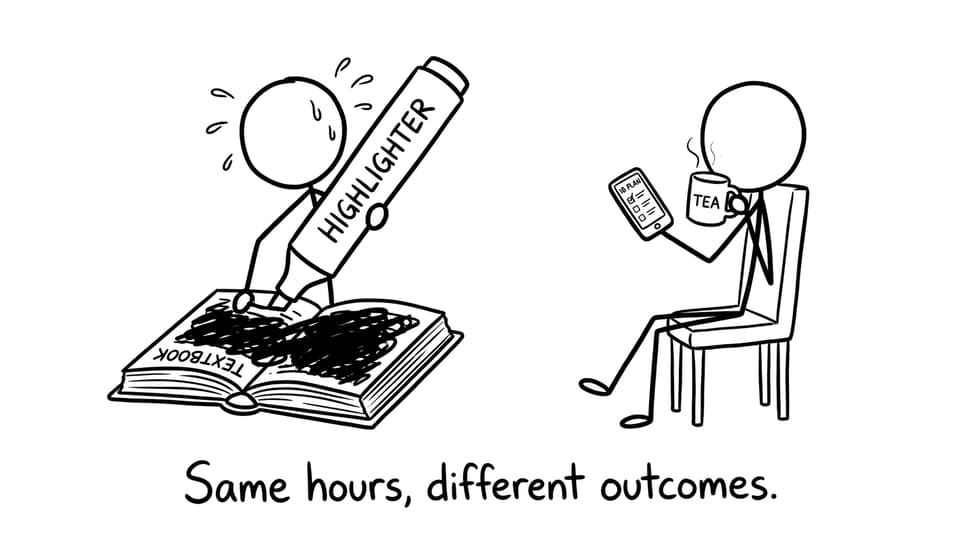
The pattern behind most IB grade jumps
Across subjects, improvement usually comes from three quiet changes:
They trained outputs, not vibes
They didn’t ask, “Do I feel prepared?” They asked, “Can I answer this question under time?” That’s why Mock Exams matter, especially when paired with Grading tools.
They used feedback loops, not hope
Fast marking, error logs, reattempting the same weakness within 48 hours. If you want that mindset shift, read You’re Not Lazy: Your IB Study Method Is Broken.
They made revision boringly consistent
Daily flashcards. Small targeted sessions. A plan that survives tired days. For a broader structure, use The Ultimate Guide to Revision for IB Students.
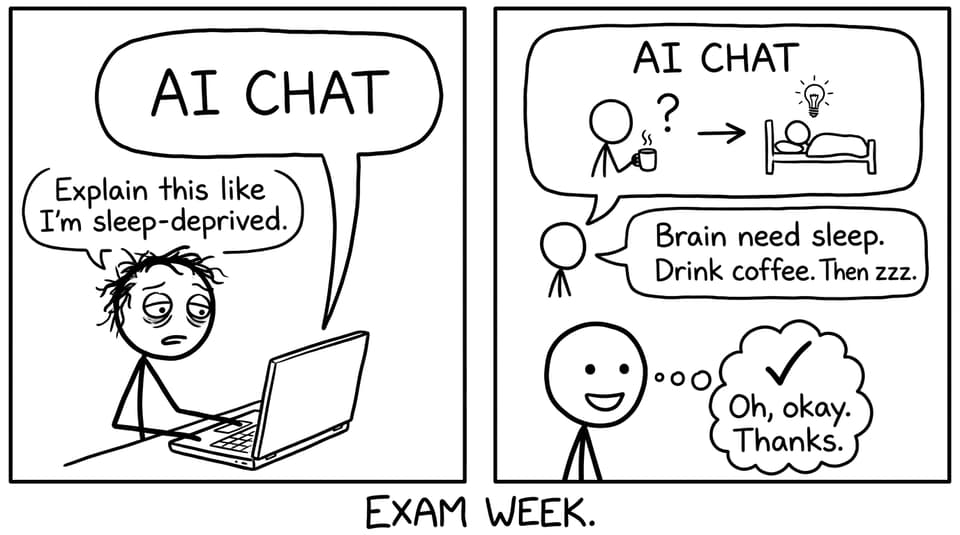
From average to excellent starts with one loop
The best IB success stories are rarely dramatic. They’re quiet. A student does the same small cycle for long enough that the exam stops feeling like a surprise.
If you want that kind of progress, open RevisionDojo and run one loop today: Study Notes for clarity, a Questionbank set for proof, AI Chat plus Grading tools for feedback, then Flashcards to lock it in. Add Mock Exams, Predicted Papers, and the Coursework Library when you’re ready to train the full performance. If you need extra support, RevisionDojo Tutors can help you diagnose the exact bottleneck.
Your current grade is not your ceiling in IB. It’s just your starting point.