

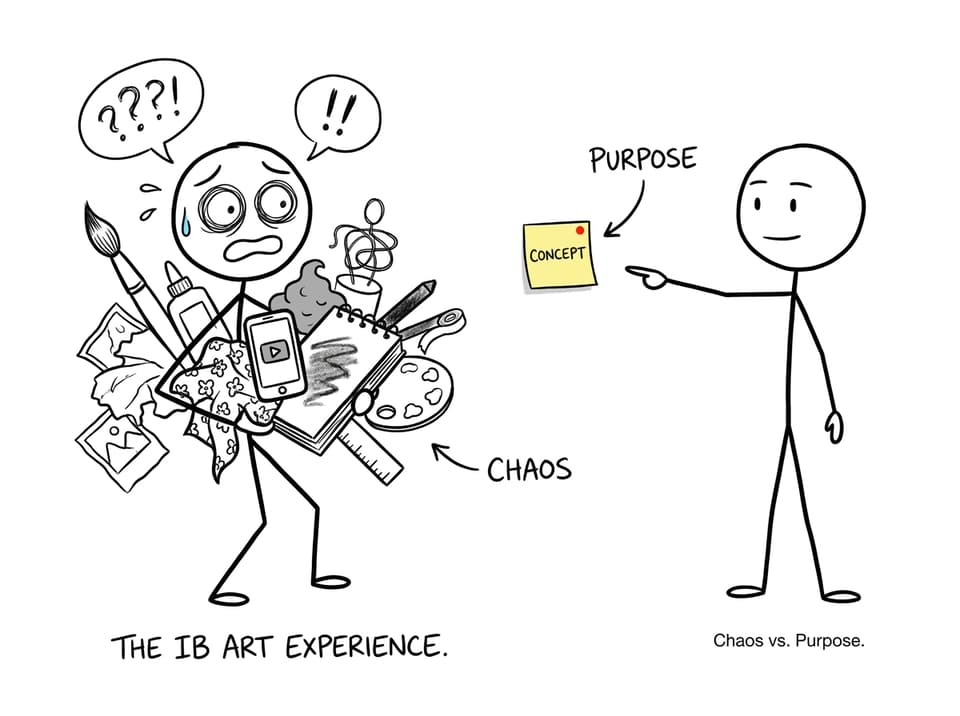
Mixed media often starts the same way: you sit down to make something “interesting,” then your desk quietly turns into a small landfill of paper scraps, glue strings, photos, paint water, and one mysterious thread you can’t remember cutting.
In IB Visual Arts, that chaos can be a gift, but only if it points somewhere. Examiners reward variety, risk-taking, and reflection, yet they also reward intent. Mixed media is the fastest way to show both: you’re exploring materials and you’re making choices for a reason.
What mixed media means in IB Visual Arts
In IB Visual Arts, “mixed media” simply means combining two or more materials or processes in one artwork or experiment. Think: painting plus collage, photography plus drawing, sculpture plus projection, textiles plus installation, or found objects merged with printmaking.
The power isn’t the combination itself. The power is what the combination does for meaning: contrast, layering, tension, symbolism, or a more contemporary visual language.
If you want a clear overview of how the course is assessed (and where experimentation matters most), start with What is IB Visual Arts?.
A quick mixed media checklist (so it doesn’t become “random stuff”)
Before you glue the final piece down, run this quick check for IB Visual Arts:
-
Concept first: What idea are you investigating (identity, memory, consumerism, time, technology)?
-
Role of each material: What does each medium communicate that the other can’t?
-
Document as you go: Photos, tests, notes, failures.
-
Reflect in writing: What changed after experimenting?
-
Link to assessment language: experimentation, intention, development, connection.
For examiner-facing clarity, it helps to know what the rubric actually values. See IB Visual Arts Assessment Criteria Explained Simply.
Mixed media ideas that work (because they say something)
Collage + painting (control vs interruption)
Collage can introduce “borrowed” reality: headlines, packaging, archival images, while paint reasserts your hand and your voice. In IB Visual Arts, this is great for themes like consumer culture or memory because the surface can literally show time and layering.
Photography + drawing (evidence vs interpretation)
Print a photo, then draw into it with ink, graphite, or paint. The photo acts like a witness; the drawing acts like your opinion. This combo often produces strong process pages because you can show iterations quickly.
Sculpture + digital media (physical vs virtual)
A simple 3D form becomes more complex when light, video, or animation interacts with it. This is one of the easiest ways to make contemporary outcomes for IB Visual Arts while still showing hands-on making.
Textiles + installation (identity you can touch)
Fabric carries cultural and personal meaning. Stitching, weaving, or layering cloth into a space can communicate care, repair, inheritance, or absence.
Need help choosing a direction that keeps experiments connected? Use Best IB Visual Arts Themes for Process Portfolios.
How to make mixed media “examiner-readable” in your Process Portfolio
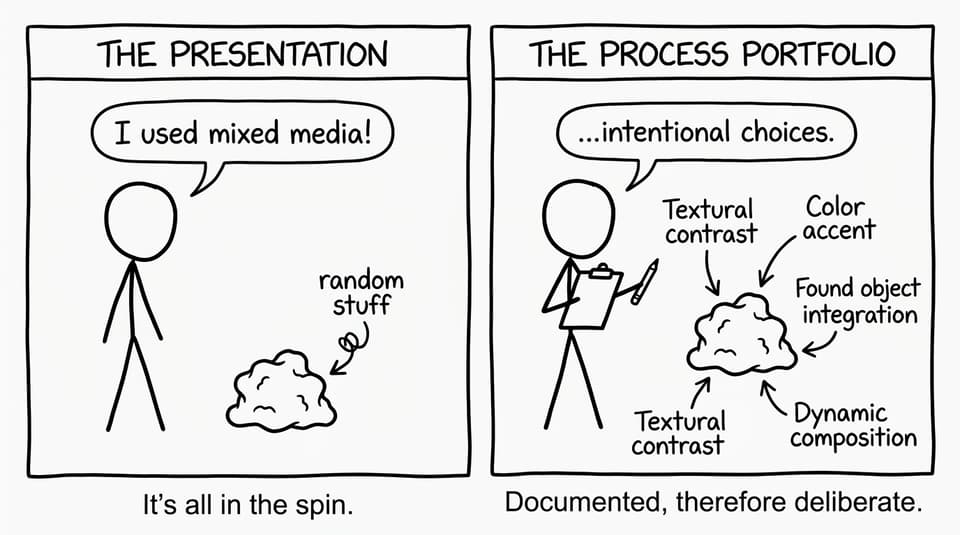
Mixed media helps, but IB Visual Arts grades what you show and explain. Three habits make a huge difference:
Photograph stages, not just outcomes
Take quick photos at each stage: materials laid out, first layer, second layer, edits, mistakes. These become visual proof of development.
Annotate like a researcher
Write short notes that sound like you are testing a hypothesis:
-
“I layered tracing paper to mimic fragile memory.”
-
“The photo felt too literal, so I disrupted it with ink marks.”
-
“Next test: reduce materials and increase contrast.”
Connect experiments to final intentions
Examiners love to see why a test mattered. If you’re unsure what to include, follow What to Include in an IB Visual Arts Portfolio and How to Structure Your IB Visual Arts Process Portfolio.
Common mixed media mistakes (and quick fixes)
-
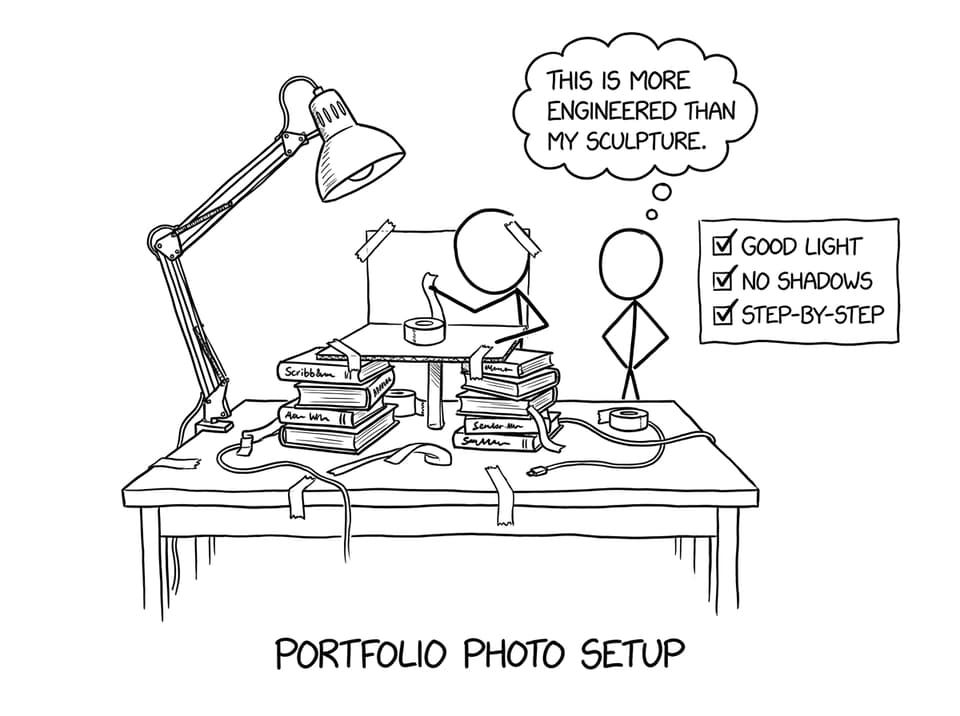
Mistake: combining media with no purpose. Fix: write one sentence of intent before you start.
-
Mistake: overcrowding the page. Fix: limit to 2-3 materials per test, then vary across tests.
-
Mistake: forgetting reflection. Fix: add a “What I learned” box on every screen.
For more on showing risk-taking clearly, use How to Show Experimentation in Your IB Visual Arts Process Portfolio.
Closing: make mixed media mean something
Mixed media in IB Visual Arts isn’t about proving you own more supplies. It’s about building a surface that carries your thinking: a place where photographs can argue with paint, where fabric can hold memory, where a found object can become evidence.
If you want your experiments to translate into marks, use RevisionDojo to stay examiner-focused: Study Notes for structure, Flashcards for key terms, AI Chat for sharper reflections, Grading tools for rubric alignment, plus the Coursework Library, Mock Exams, Predicted Papers, Questionbank, and Tutors when you need a more direct push. Keep the work bold, keep the documentation honest, and let every material choice earn its place in your IB Visual Arts story.