


Introduction: the IB trap nobody warns you about
In the middle of IB exam season, it’s easy to believe the only honest form of studying is silent suffering: rereading notes, rewriting summaries, and hoping sheer effort turns into marks.
But the IB is not impressed by effort. It rewards evidence of thinking.
That’s where embedding creativity, action, and reflection into your academic units quietly changes everything. Not as a cute add-on. As a method for learning content deeply, practicing like an examiner, and building the kind of calm confidence that shows up when the timer starts.
The CAR mini-checklist for IB students
Use this checklist at the start of each IB unit (or when you’re revising one):
-
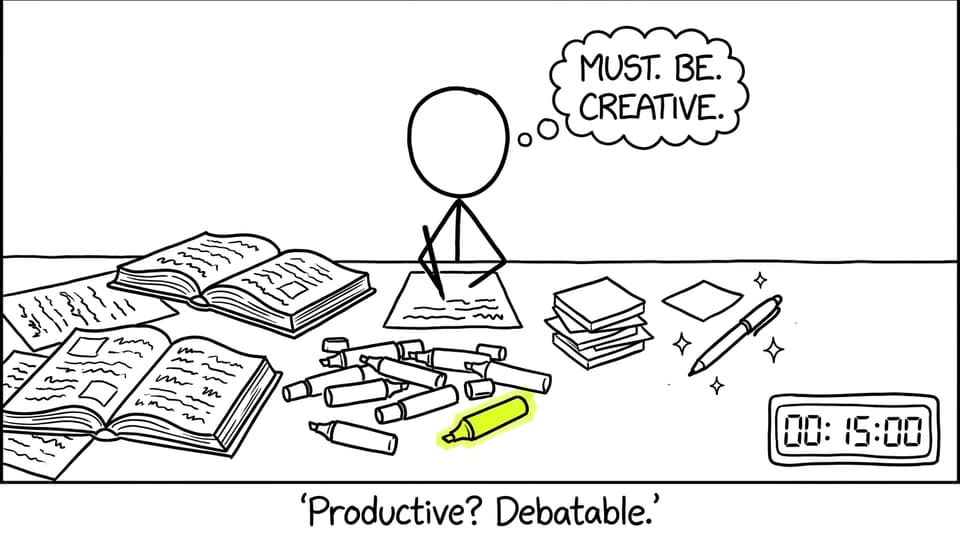
Creativity: What’s one way I can re-express this topic so my brain has to rebuild it?
-
Action: What’s one exam-style output I can produce this week (timed or semi-timed)?
-
Reflection: What’s one mistake pattern I’m likely to repeat, and how will I catch it?
-
Tools: Which resource will make this easier: Study Notes, Flashcards, Questionbank, AI Chat, Grading tools, Mock Exams, Predicted Papers, Coursework Library, or Tutors?
If you want an all-in-one home base for this workflow, start with RevisionDojo for IB.
Why creativity matters in IB (even in Physics)
In IB, creativity is not “make it pretty.” It’s “make it yours.” The exam tests whether you can transfer understanding into a new prompt, not whether you can recognize a sentence you memorized.
Creativity helps you practice transfer.
Creative moves that actually boost IB exam performance
-
Teach-it-back in 90 seconds: explain a concept out loud like you’re tutoring a younger student.
-
One-page model: compress a subtopic into one page of relationships (arrows, conditions, exceptions).
-
Switch formats: turn a paragraph into a diagram, then the diagram into a short response.
To keep creativity connected to examinable content, anchor it in tight, syllabus-aligned explanations like the RevisionDojo Study Notes. If you need a guide for using notes efficiently, see Digital IB Study Notes: Access Anywhere, Anytime.
Action: where IB knowledge becomes IB marks
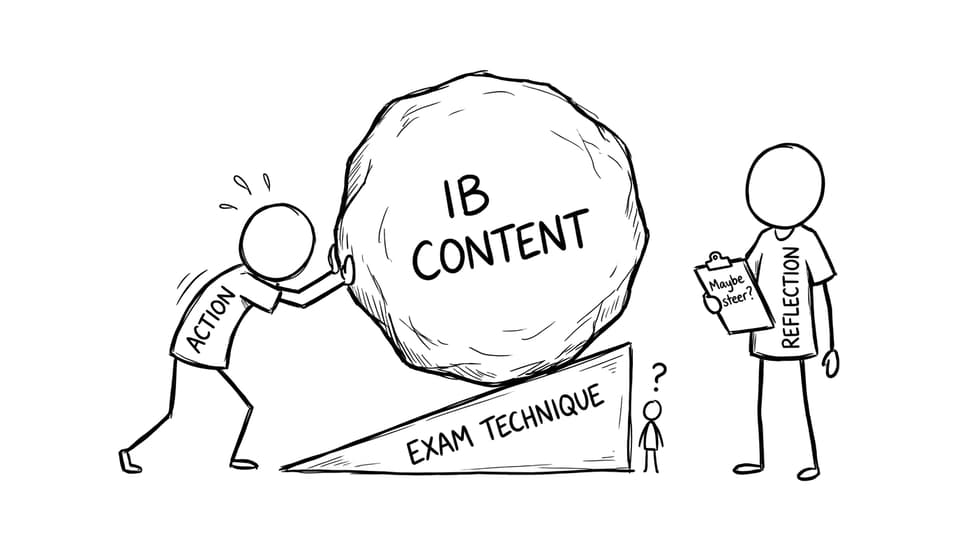
Action is the moment you stop preparing to study and start practicing performance.
Most IB students don’t fail because they never learned the topic. They lose marks because they never trained the output: the structure, the timing, the command terms, the habit of showing working, the ability to choose what not to write.
What “action” looks like inside an IB unit
-
After finishing one subtopic, do 10-20 minutes of targeted questions.
-
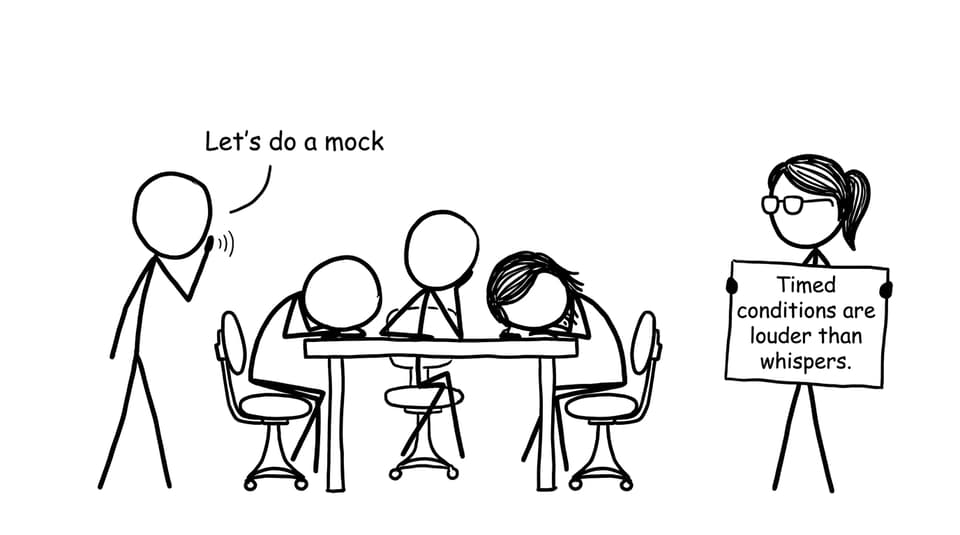
Once a week, do one timed set (even a small one).
-
Every two weeks, do a mock-style session to build stamina.
RevisionDojo is built for this step. Use the free RevisionDojo Questionbank to turn each unit into practice, not just reading. If you want a deeper method, pair this with How to Study for IB Exams: Step-by-Step Guide and How to Study for IB Exams Without Burning Out.
Reflection: the hidden skill the IB rewards
Reflection is not journaling for the sake of it. In IB, reflection is a performance tool: it’s how you stop repeating the same errors under pressure.
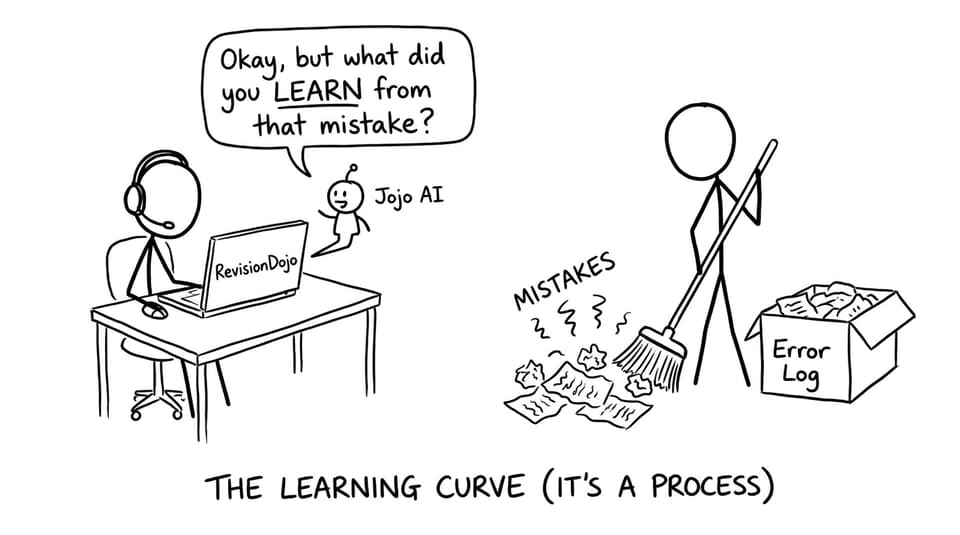
Reflection turns a wrong answer into a reusable advantage.
A simple IB reflection loop (use it after every practice)
Write three lines:
-
What cost me marks? (content gap, command term, structure, timing, careless error)
-
What’s the smallest fix? (one definition, one method, one paragraph plan, one diagram label)
-
When will I retest it? (48 hours is a good rule)
Then convert that “smallest fix” into recall. That’s why flashcards work so well inside the IB cycle. Use IB Flashcards with Spaced Repetition (SRS) or the Flashcards feature to keep reflection from becoming vague motivation.
Embedding CAR into one IB unit: a realistic template
Here’s a unit template you can run in any IB subject (HL or SL). It’s designed to fit busy weeks, IAs, and normal life.
Before the unit (10 minutes)
-
Skim the unit’s big ideas using IB Subject Note Collections.
-
Ask: “What would the examiner ask me to do with this?”
-
Pick one output goal: one timed response, one data-based question set, one problem set, one essay plan.
During the unit (2-4 short sessions)
-
Creativity: make one alternate representation (diagram, flowchart, or teach-it-back).
-
Action: do Questionbank practice on the exact subtopic you studied.
-
Reflection: add two lines to your error log.
If you get stuck mid-unit, use AI Chat for fast clarification, then prove it by doing another question. (RevisionDojo’s AI Chat is most powerful when it’s followed immediately by action.)
After the unit (one longer session)
-
Build a mini-test using the same skills you’ll need in the exam.
-
If your schedule allows, move from topic questions into a timed simulation with Mock Exams and Predicted Papers.
For structure and exam realism, see Online IB Mock Exams: Practice Anywhere, Anytime and IB Test Templates: Pre-Made Exams for Quick Practice.
How this connects to the IB Learner Profile (without being cheesy)
The IB Learner Profile becomes real when you can point to evidence:
-
Thinkers: you try a second method, not just the first.
-
Communicators: you can explain your logic clearly, not just “get it.”
-
Risk-takers: you do timed practice before you feel ready.
-
Reflective: you keep an error log and actually retest it.
In other words, CAR is not separate from academics. It’s how academic ability becomes exam-ready performance.
Conclusion: build IB units that make you exam-proof
The most effective IB revision doesn’t feel like heroism. It feels like a system you can repeat when you’re tired.
Embed creativity so you understand.
Embed action so you can perform.
Embed reflection so you stop bleeding marks in the same places.
If you want one platform that supports that whole cycle: Questionbank, Study Notes, Flashcards, AI Chat, Grading tools, Mock Exams, Predicted Papers, Coursework Library, and Tutors, start with RevisionDojo. Then pick one unit and run the CAR loop this week. In the IB, consistency beats intensity, and systems beat panic.