


Community engagement looks like a school poster until the day it becomes your project deadline.
A guest speaker cancels. Your Service as Action plan is too broad. Your reflection is three sentences long and somehow still takes 45 minutes to write. In the MYP, those moments aren’t distractions from learning; they’re the curriculum revealing itself.
Community engagement in MYP schools is really about building partnerships that create real contexts for inquiry, action, and reflection. And if you’re an IB student preparing for exams, that matters more than it sounds: the same skills you use to coordinate with people outside school (planning, evidence, communication, reflection) are the skills that raise the quality of your responses under timed conditions.
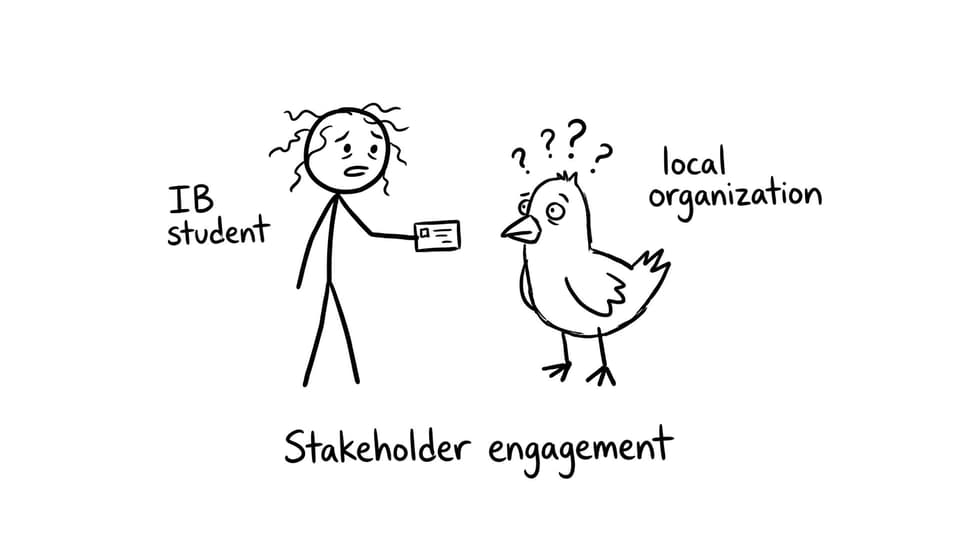
Quick checklist for strong MYP community engagement
Use this as a fast audit before you say yes to any partnership:
-
Does the partner connect to a clear MYP goal (not just “it would be nice”)?
-
Can you define a problem and measure impact in a simple way?
-
Is there a role for students, not just adults organizing everything?
-
Do you have a plan for evidence (photos, data, drafts, feedback)?
-
Do you have a reflection routine that runs during the project, not after it?
If you want a central place to keep your MYP prep structured while projects are happening, start from the RevisionDojo MYP hub.
Why MYP community partnerships make learning feel “real”
The MYP is built to connect classroom concepts to lived experience. Partnerships with parents, local organizations, and global networks do something textbooks can’t: they create stakes.
When a museum educator critiques your exhibit caption, you suddenly care about precision. When a local environmental group asks for survey results, your data handling has consequences. That pressure is healthy; it’s the same kind of pressure you feel in exams, just spread out over time.
To make the academic link visible, pair your project work with short, targeted study loops:
-
Patch content gaps with Study Notes
-
Drill application using the Questionbank
-
Keep key terms alive with Flashcards
That trio turns “community engagement” into exam-ready understanding.
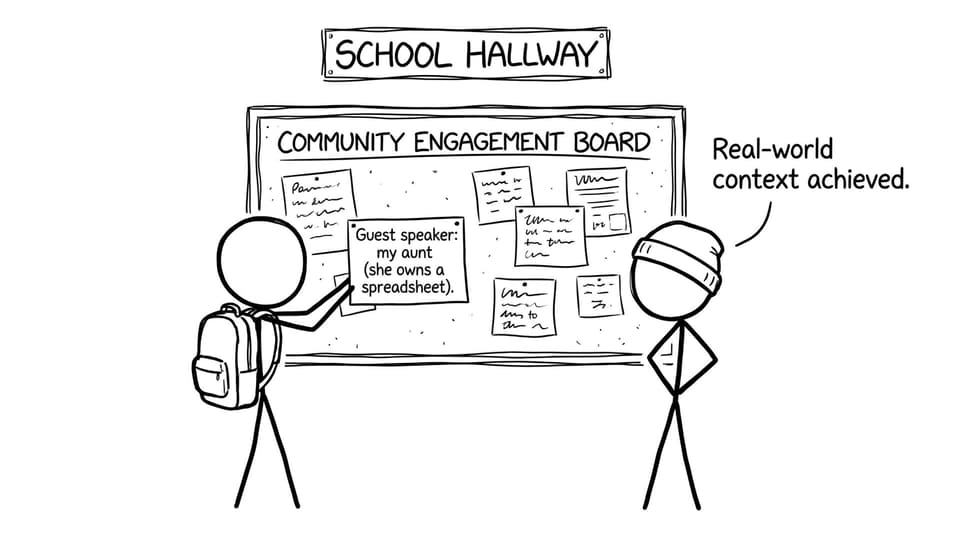
Building partnerships in the MYP: parents, local orgs, global links
Good partnerships aren’t about prestige. They’re about clarity.
School-parent partnerships that actually help students
In the MYP, parents can be more than an audience at student-led conferences. The best parent partnerships are specific:
-
A parent runs a mini-workshop on interview technique before you collect primary data
-
Families help students find realistic local contacts (libraries, clinics, small businesses)
-
Parents give feedback on drafts the way a real “user” would, not like a teacher would
If you’re balancing partnership work with exam preparation, use a simple boundary: let adults open doors, but let students do the thinking, planning, and evidence.
Local organizations: the best “syllabus” you didn’t know you had
Local partners work well because they’re accessible and repeatable. In the MYP, sustainability projects, community tutoring, cultural events, and design challenges all become stronger when a real stakeholder exists.
A useful rule: pick partners who can answer questions students can’t Google.
For MYP students, this also creates better reflection material. If you need help making that reflection meet expectations, RevisionDojo’s tools (especially AI Chat and Grading tools) can help you turn vague journaling into evidence-based writing you can be proud of.
Global connections without the “international trip” budget
Global partnerships don’t have to be expensive. A shared project with another school, a virtual guest speaker, or collaborating with an online youth network can still build intercultural awareness.
Keep it simple: one shared question, one shared output, one shared reflection.
Service as Action: turning partnerships into outcomes
Community engagement often shows up in the MYP through Service as Action. The trick is to stop treating it like hours and start treating it like learning.
Use these resources to stay aligned:
Then keep your academics moving with a realistic plan like MYP eAssessments: a 30-day study plan that works or the broader MYP revision guide.
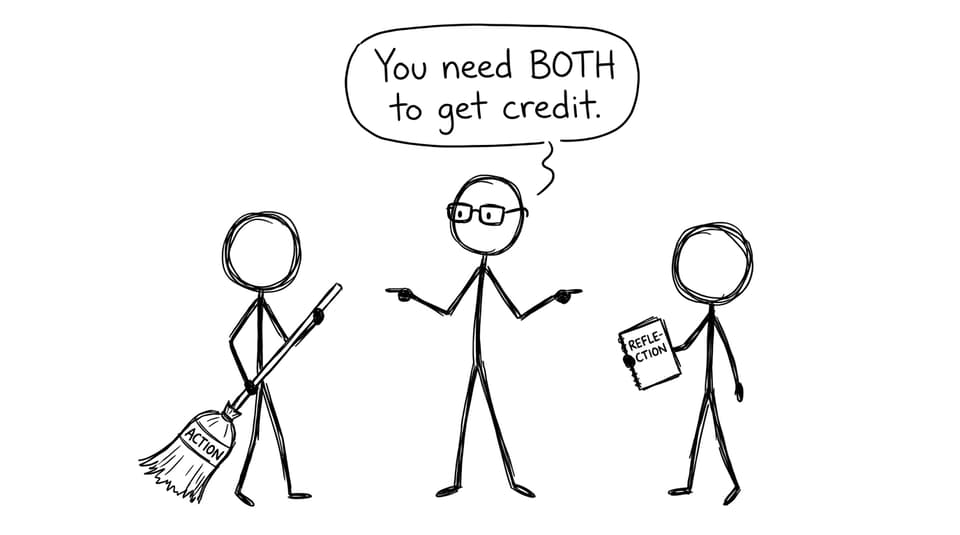
Reflection and sustainability: the part most students underuse
Most MYP projects fail quietly at the reflection stage. Not because students don’t care, but because reflection feels like “extra writing.”
Instead, treat reflection like an experiment log:
-
What did we assume at the start?
-
What evidence challenged that assumption?
-
What decision changed because of what we learned?
If your partnership repeats yearly, even better. Long-term partnerships create depth: younger students inherit better systems, older students show growth over time, and your school builds a culture where community engagement isn’t a one-off event.
Conclusion: make MYP partnerships work for you
In the MYP, community engagement isn’t meant to decorate school life. It’s meant to pressure-test your learning in the real world, where plans change and evidence matters.
If you treat partnerships as a skill-builder, your projects start feeding your exam performance: clearer writing, stronger justification, better reflection, and calmer execution under time limits. Build small, sustainable partnerships. Collect evidence as you go. Reflect like a scientist, not a poet.
When you’re ready to turn that momentum into consistent results, use RevisionDojo as your home base: the Questionbank, Study Notes, Flashcards, AI Chat, Grading tools, Predicted Papers, Mock Exams, Coursework Library, and Tutors are all there to keep your MYP preparation steady while your learning reaches beyond the classroom.


