


Depreciation is one of those topics that looks harmless on a syllabus, then quietly changes the story your numbers tell.
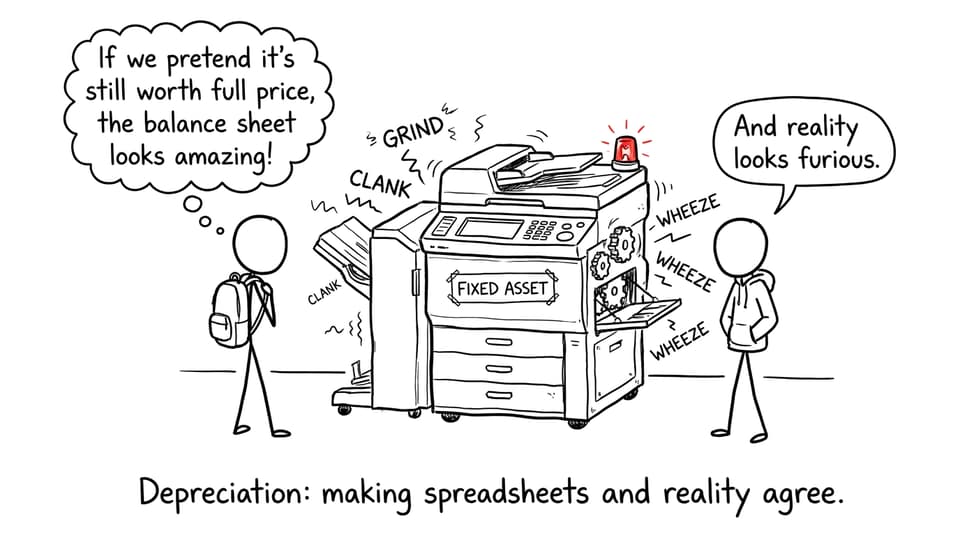
Imagine a business buys a delivery van. On day one it feels like an upgrade: shiny, useful, full of future revenue. But on day 365, the van is older, riskier, and less valuable than the day it arrived. If the accounts still pretend nothing changed, the financial statements become less like a mirror and more like a motivational poster.
For IB Business Management students, depreciation matters because it keeps reporting honest: it protects profit, asset values, and comparisons from drifting into fiction.
Depreciation, in one exam-ready definition
Depreciation is the systematic allocation of the cost of a tangible non-current asset over its useful life.
If you want a syllabus-aligned definition you can quote cleanly, keep the IB Business Management Key Definitions open while you revise.
Quick checklist: what depreciation improves
-
Profit is not overstated (income statement / statement of profit or loss)
-
Asset values are realistic (statement of financial position / balance sheet)
-
Performance is comparable across time and between firms
-
Decision-making gets less emotional and more evidence-based
You can anchor all of this in the Final Accounts unit via 3.4 Final accounts and the accompanying 3.4 Final Accounts Notes.
Why depreciation matters for accurate financial reporting
In IB Business Management, “accurate” does not mean “perfect.” It means accounts that are fair, consistent, and useful to stakeholders.
It matches expenses to the revenue they help create
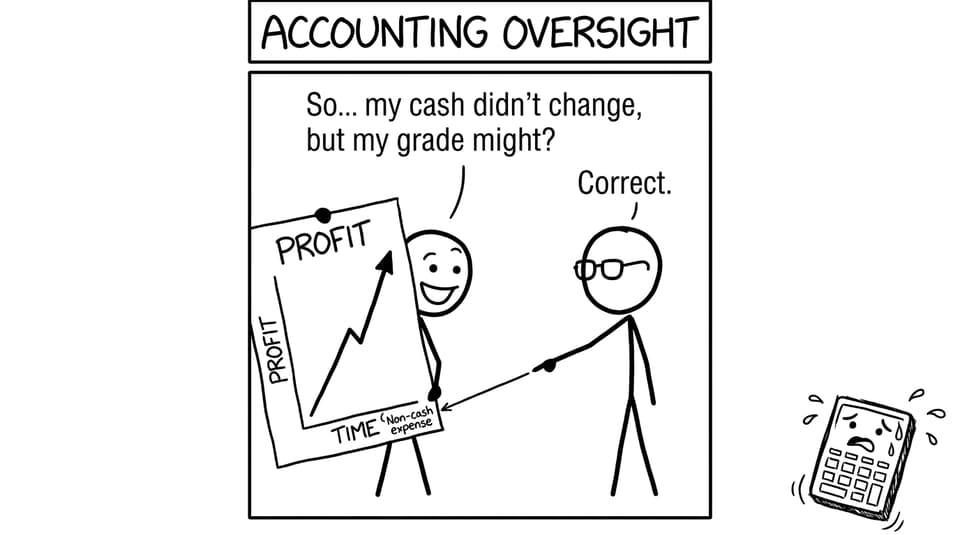
A non-current asset helps generate revenue over multiple years. Depreciation spreads the cost across those years so the expense shows up in the same periods as the benefits.
That matching idea is the quiet logic behind the statement of profit or loss. Without it, the year you buy the asset looks artificially bad (huge one-off cost), and the following years look artificially good (no cost at all). Depreciation smooths the story so performance reflects operations, not timing.
For deeper practice on how this appears in exam questions, use the 3.4 Final Accounts Questionbank.
It prevents inflated asset values on the balance sheet
Assets wear out. They become obsolete. They lose efficiency. Depreciation reduces the carrying amount (book value) over time so the balance sheet doesn’t claim the business owns more value than it realistically does.
This matters to lenders, investors, and managers, because decisions are often made from these figures: borrowing, investing, pricing, or expansion. In other words: depreciation is not “just accounting.” It is a guardrail against self-deception.
It improves comparability between years and businesses
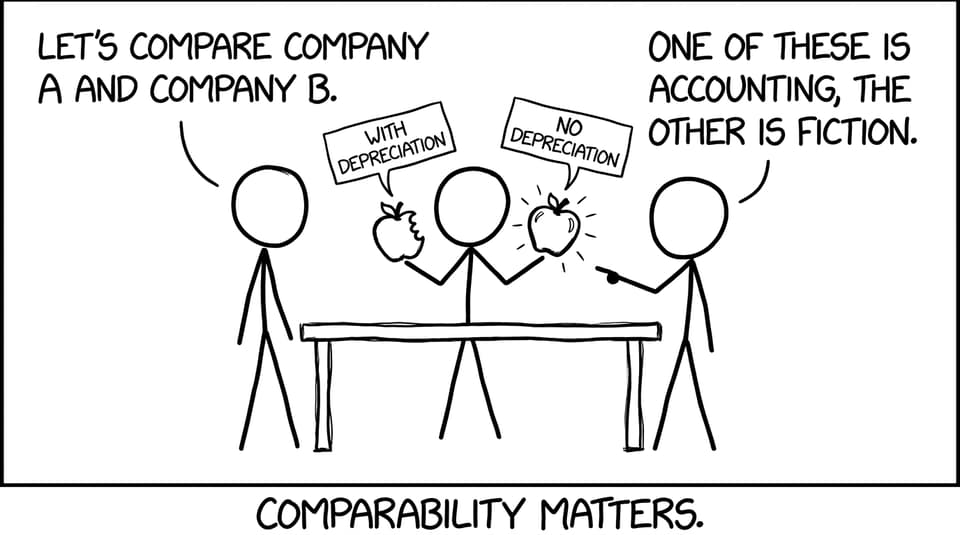
Financial reporting is partly about comparison: this year vs last year, or Company A vs Company B.
If one business depreciates assets and another doesn’t (or uses very different assumptions), profit and asset values stop being comparable. Depreciation makes reporting more consistent across time, which is exactly what stakeholders need when they evaluate performance.
If you’re HL, this links naturally into method choice and evaluation. See 3.4.5 Appropriateness of Depreciation Methods (HL Only) Notes.
Depreciation methods: what you need for exams
In IB Business Management, you’re expected to understand that the chosen method affects reported profit and reported asset value.
Start with the topic page 3.4.4 Depreciation Methods (HL Only) and reinforce the terms using the Depreciation Methods flashcards.
If you want a simple real-world framing, RevisionDojo’s article on planning explains why businesses like predictability: Straight-line depreciation and future planning.
Final thought: depreciation is honesty, written in numbers
Depreciation matters because it forces a business to tell the quieter truth: assets age, performance should be comparable, and profit is only meaningful when costs are recognised fairly.
If you’re revising IB Business Management, build confidence by combining concepts with practice: use RevisionDojo’s Questionbank, Study Notes, and Flashcards for final accounts, then pressure-test your explanations with AI Chat and grading tools. When you’re ready, build a timed Mock Exam, and use Predicted Papers to sharpen exam technique (without guessing your way through the syllabus). Start here: IB Business Management resources hub.