


Promotional strategies feel like magic when they land, and like noise when they miss.
Think about the last time you ignored an ad completely, then later bought something because a friend mentioned it casually. Same product. Different messenger. Different moment. In IB Business Management, that gap is the whole point of promotion: not “being louder,” but matching message, channel, and audience so communication actually converts.
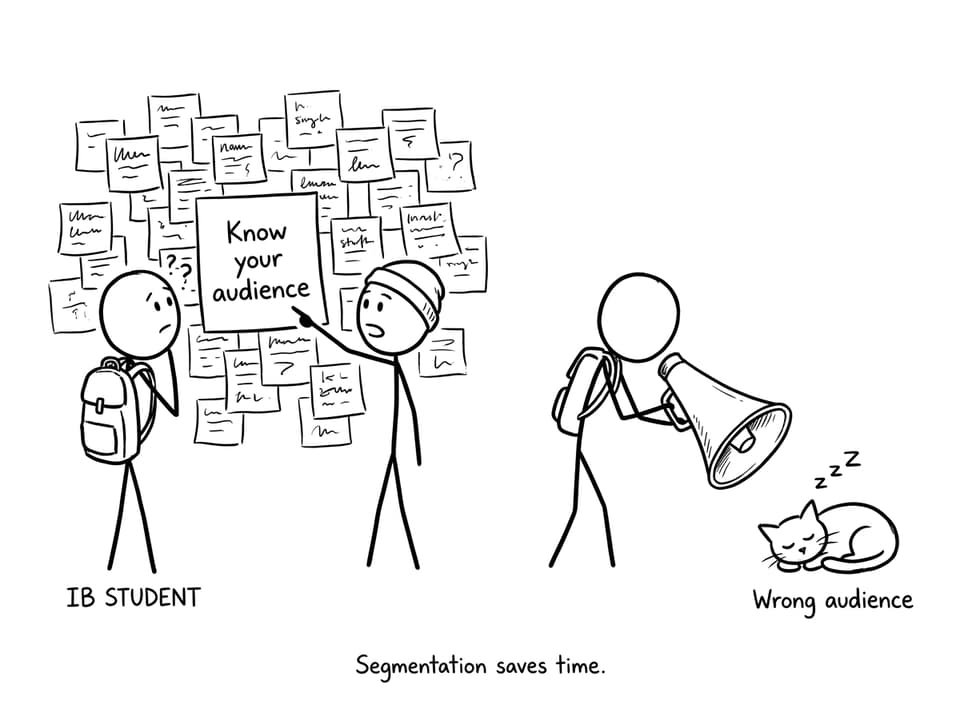
A quick IB Business Management checklist for “promotion effectiveness”
Use this mini checklist in any case study:
-
Who is the target market (demographics + psychographics + behavior)?
-
Which channel do they actually use?
-
What do they value (status, savings, sustainability, convenience)?
-
How complex is the product and how much information is needed?
-
What creates trust for this group (experts, peers, influencers)?
-
Where are they in the buying process (awareness vs decision)?
If you want the syllabus-aligned base for this, start with IB Business Management 4.5.4 Promotion Notes.
Media habits: the message can’t work if it doesn’t arrive
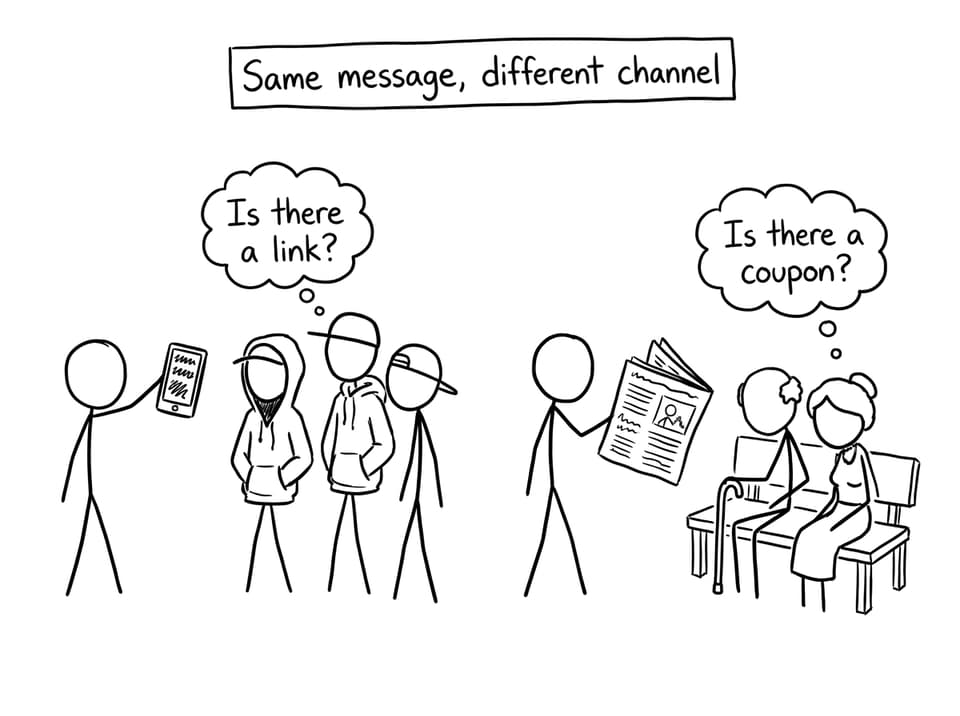
In IB Business Management, you can have a brilliant promotional message and still fail because the audience never sees it. Students and younger consumers often live on short-form video, social platforms, and search. Other segments still rely on TV, radio, print, or in-store prompts.
This maps cleanly onto ATL/BTL/TTL thinking. Mass media can build awareness, but targeted methods can drive action. RevisionDojo’s Unit 4: Marketing Management is a good place to connect these ideas back to exam prompts.
Values and motivation: the same offer hits differently
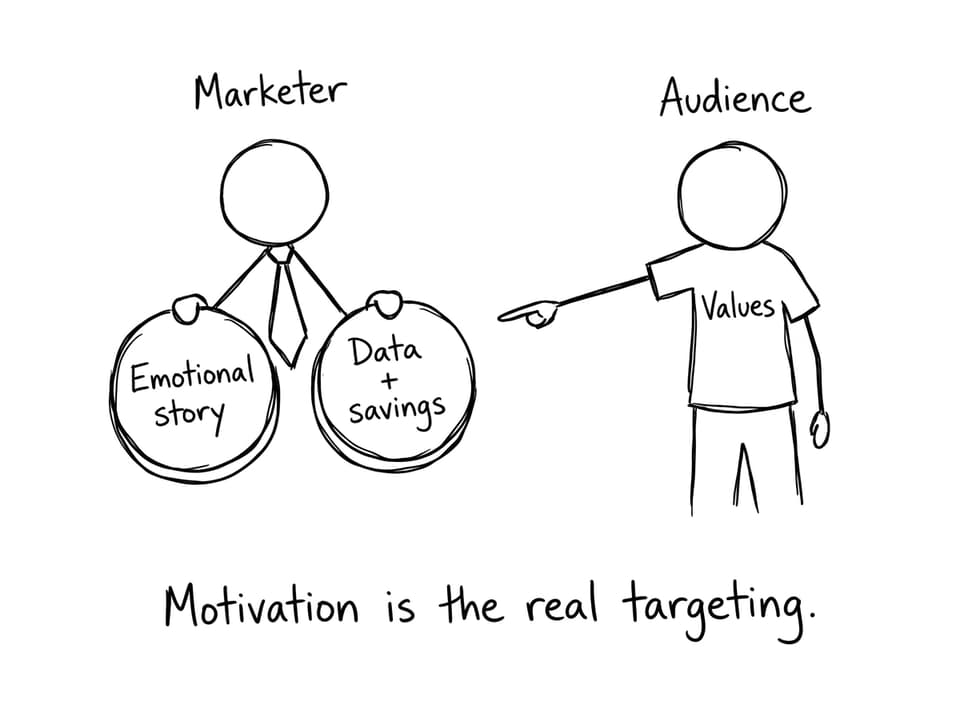
Some audiences want identity and emotion; others want proof and practicality. A sustainability-led message may persuade eco-conscious buyers, while a “bundle + discount” angle matters more to price-sensitive customers.
In IB Business Management, examiners reward you when you explain why the audience responds: link values to the promotional appeal. You can also anchor this inside the wider marketing mix using Topic 4.5 The Seven Ps of the Marketing Mix.
Product complexity: simple products need attention, complex ones need reassurance
A chocolate bar can be sold with a quick visual and a punchy slogan. A high-priced, technical, or risky purchase often needs personal selling, demonstrations, longer-form content, or credible comparisons.
That’s why “best promotion” is always conditional in IB Business Management: conditional on product type, price point, and perceived risk. If you want examples of how exam questions frame this, try the 4.2 Marketing planning Questionbank and practice turning context into justification.
Trust and timing: credibility changes by segment and by stage
Audiences don’t borrow trust from the same places. Some rely on experts and established brands; others trust social proof, ratings, and communities. And even within one segment, timing matters: awareness-stage customers need clarity and reach; decision-stage customers respond to urgency, incentives, and proof.
A sharp way to revise this is to compare your answer against how RevisionDojo structures choices in How Do Businesses Choose the Right Promotional Mix?. It trains you to write: audience + objective + method + justification.
Conclusion: write promotion like a match, not a megaphone
The best takeaway for IB Business Management is calm and practical: promotion works when it matches the audience’s habits, values, trust cues, and timing. When it fails, it’s often because the business spoke clearly to the wrong people, in the wrong place, at the wrong moment.
If you want to turn this into exam marks, RevisionDojo is built for that: use Study Notes to lock the concepts, Flashcards to retain definitions, the Questionbank for targeted practice, AI Chat to test your reasoning, and Grading tools to sharpen evaluation. When you’re ready to simulate pressure, use Predicted Papers and Mock Exams. And if you want guided feedback, the Coursework Library and Tutors are there to help you level up fast.


