

A quick story about choosing the right message
The night before a marketing test, a student tries to remember the promotional mix by listing tools on a sticky note: advertising, PR, sales promotions, personal selling, digital marketing. It looks neat. Then the case study hits: different customer segments, a tight budget, and a product that needs explaining. Suddenly, the list isn’t enough.
That’s the real point in IB Business Management: businesses don’t “pick promotions.” They design a promotional mix that fits context. The right promotional mix is the one that reaches the intended audience, matches the product, and achieves the objective without wasting resources.
Promotional mix checklist (exam-friendly)
Use this quick checklist in IB Business Management data response questions:
-
Who is the target audience (age, income, media habits, geography)?
-
What is the nature of the product (complex vs simple, high vs low involvement)?
-
What is the budget and expected return?
-
What are the marketing objectives (awareness, trial, loyalty, repositioning)?
-
Where is the product in the product life cycle?
-
How intense is competition and what are rivals doing?
If you need the official syllabus language around promotion, RevisionDojo’s Promotion notes (4.5.4) align the tools with clear examples.
What businesses consider when choosing the right promotional mix
Target audience: match the channel to the customer
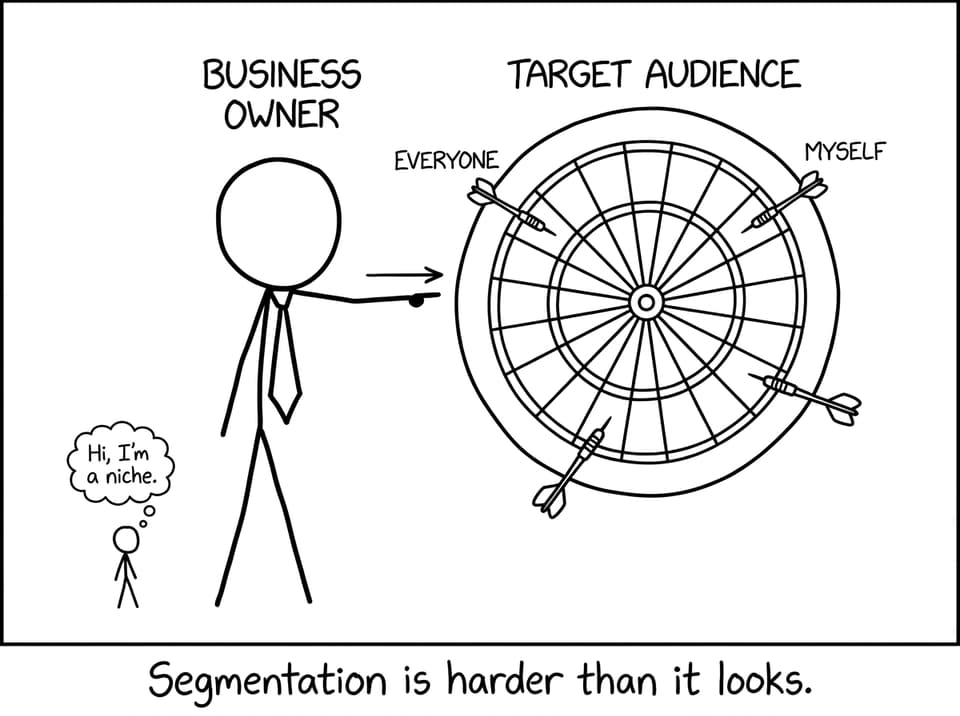
The fastest way to waste a promotion budget is to speak to the wrong people in the wrong place. Younger audiences may respond to social platforms and creators, while professional buyers might prefer trade events, webinars, and personal selling. In IB Business Management, this is where segmentation and positioning quietly control everything.
To anchor this in the wider Unit 4 logic, connect promotion decisions back to Marketing planning (4.2): good promotion is planned, not improvised.
Nature of the product: how much explanation does it need?
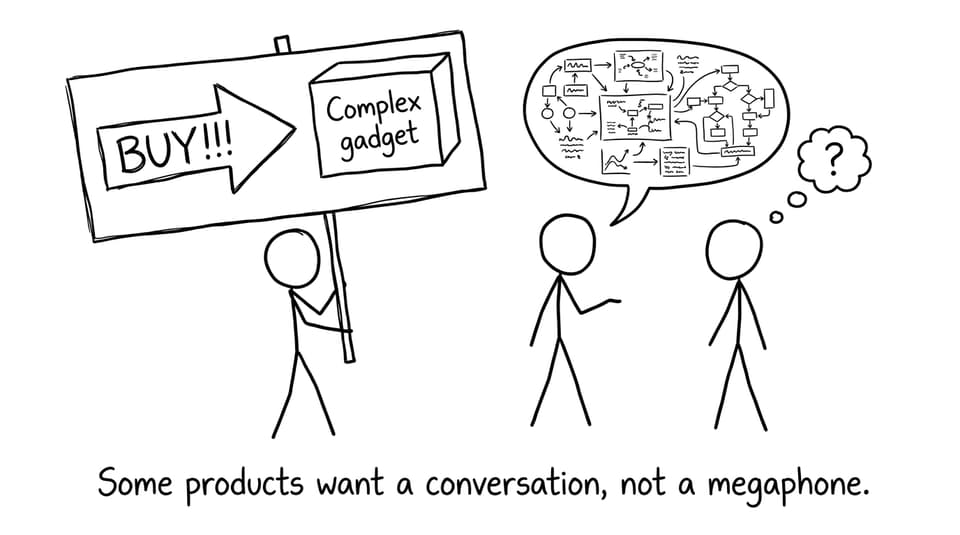
Complex, expensive, or high-risk products often require personal selling or richer digital content because customers have questions. Simple, low-cost products can rely more on mass advertising and sales promotions because the decision is quicker.
In exam terms, explain the “why”: the product’s complexity changes the amount of information and reassurance customers need. You can also link this to the broader marketing mix in The seven Ps of the marketing mix (4.5) and how promotion must fit the overall positioning.
Budget: the constraint that shapes creativity
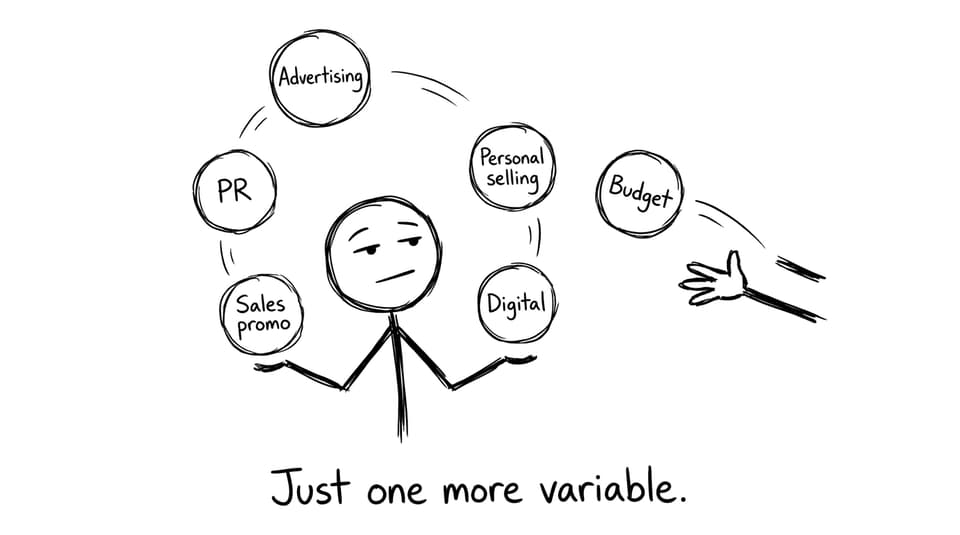
Budget doesn’t just limit how much promotion happens. It changes which tools are realistic. Large firms can run multi-channel campaigns and pay for reach; smaller firms often lean on targeted social content, partnerships, and PR.
In IB Business Management, you earn marks by evaluating: a cheaper method may be more measurable, but could lack credibility; an expensive method may build awareness, but risk low ROI.
Objectives: awareness, trial, or loyalty?
Promotional tools are not interchangeable. If the objective is awareness, advertising and PR work well. If the objective is short-term sales, discounts and limited-time promotions fit. If the objective is relationship building, personal selling and consistent digital engagement matter more.
A useful extension is to mention integration: a “through-the-line” approach keeps messaging consistent across channels (something RevisionDojo explains clearly in the Promotion notes (4.5.4)).
Product life cycle and competition: timing matters
New products often need heavier promotion to create awareness and encourage trial. Mature products may rely more on brand loyalty with selective promotions. In competitive markets, promotion intensity rises because attention is scarce.
To practice applying these factors under time pressure, use IB Business Management Questionbank practice for 4.5 and check your structure against examiner-style responses.
Quick exam tip: how to write this in 8-10 lines
In IB Business Management, a strong paragraph often goes:
Define promotional mix briefly; apply to the case audience/product; analyze why one tool fits; evaluate trade-offs (cost, reach, credibility, measurability); conclude with the best mix.
For broader revision planning, keep a home base open: IB Business Management resources.
Conclusion: pick the mix that fits the moment
Businesses choose the right promotional mix by matching tools to audience, product, budget, objectives, life cycle stage, and competition. That’s the heart of IB Business Management marketing questions: not naming methods, but justifying why one combination makes sense in context.
If you want to turn this into exam marks, use RevisionDojo as your system: build understanding with Unit 4 Marketing Management resources, lock in terms with 4.5 flashcards, pressure-test with the Questionbank, then refine with AI Chat, Grading tools, Predicted Papers, Mock Exams, and support from Tutors when you need it most.